
The journey from the neon-soaked streets of Las Vegas to the mid-century modern oasis of Palm Springs is a quintessential American road trip. It represents a transition from the frantic, high-energy spectacle of the Mojave Desert to the serene, palm-lined boulevards of the Coachella Valley. Covering approximately 230 to 250 miles, the drive typically takes between four and five hours, depending on traffic patterns and your chosen route. Whether you are seeking a weekend getaway or a scenic trek across the California border, understanding the logistics of this route is essential for a seamless transition between these two desert icons.
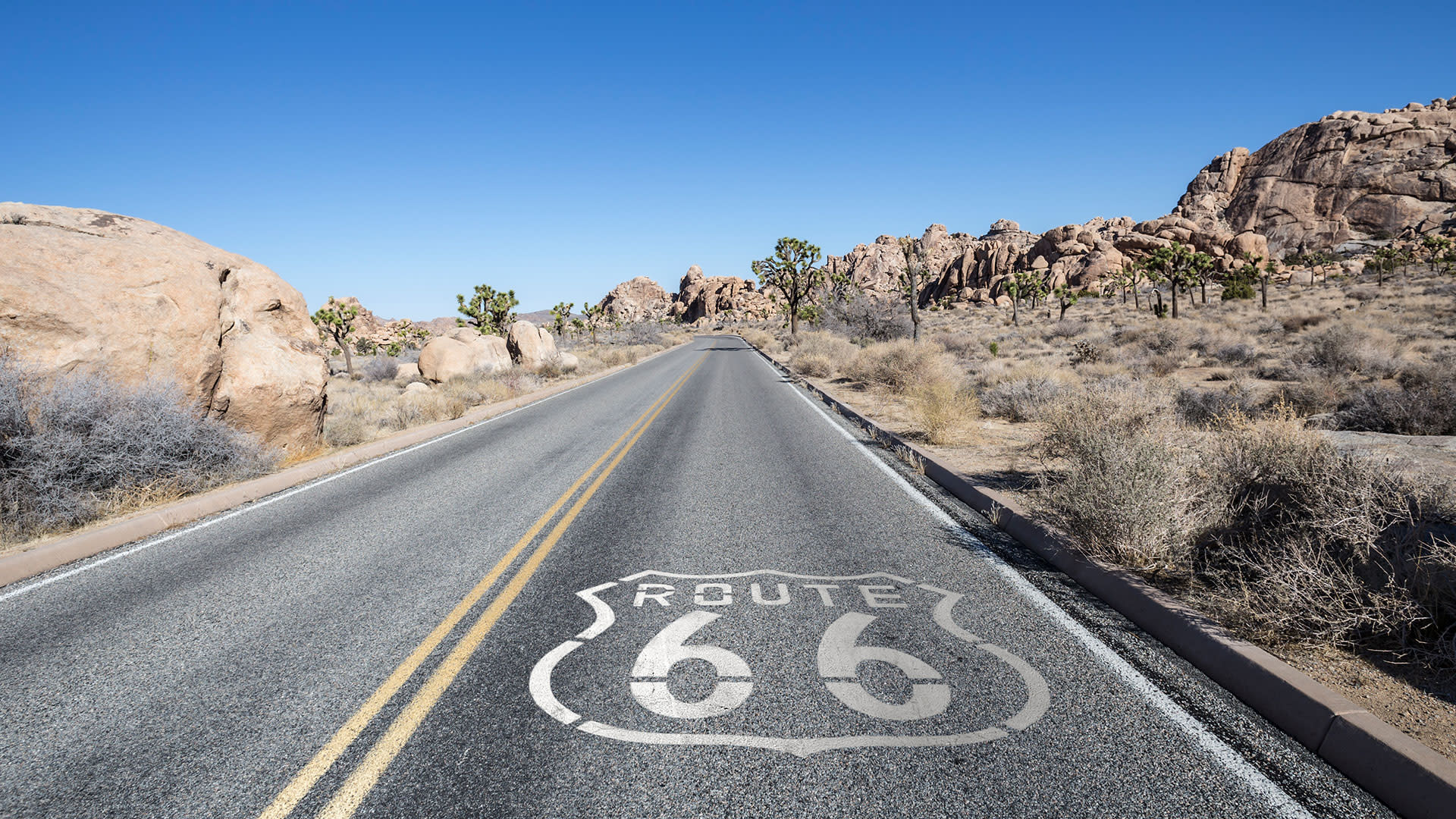
Planning Your Route: Navigating the Desert Highways
When traveling between these two desert hubs, the most common path is via Interstate 15 South, transitioning into California State Route 247 or Interstate 10 East. Each route offers a unique window into the topography of the Southwest.
The Primary Corridor
Most travelers opt for the route that takes them through Primm and Barstow. This route is direct and well-maintained, passing through the heart of the high desert. While the landscape can appear monochromatic to the untrained eye, it is rich in geological history. Drivers will notice the shift from the limestone formations near Nevada to the expansive brushlands of the High Desert.
Scenic Alternatives
For those who prefer a less commercial experience, detouring through the San Bernardino National Forest provides a dramatic change in elevation. Though it adds significant time to the journey, the ascent through mountain passes offers a refreshing break from the arid heat and desert winds common to the lower altitudes.
Factors Influencing Your Travel Time
While the GPS might estimate a standard arrival time, the reality of driving through the American West often involves variables that can delay or enhance your trip. Understanding these factors will help you manage your expectations.
Traffic and Peak Hours
Traffic congestion is a reality when traveling near major metropolitan areas. Leaving Las Vegas on a Friday afternoon or returning from Palm Springs on a Sunday evening can add significant time to your journey due to the high volume of Southern California travelers. If possible, schedule your departure for mid-week or early morning to avoid the gridlock often found near Victorville and Ontario.
Weather and Seasonal Conditions
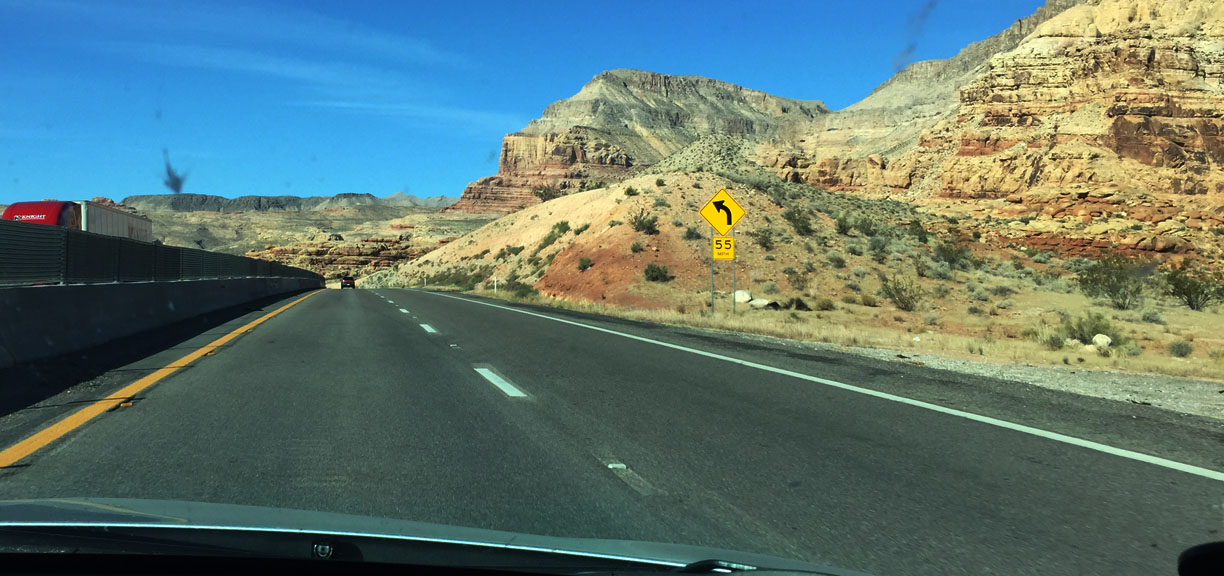
The desert climate is notoriously fickle. During the summer months, temperatures can soar well above 100 degrees Fahrenheit, putting significant strain on both your vehicle and your endurance. Always ensure your cooling system is in optimal condition before departing. Conversely, in the winter, the higher elevations between the two cities can occasionally experience high winds or, rarely, light snow, which may necessitate slower driving speeds.
Must-See Stops Along the Way
A road trip should be about more than just the destination. The stretch of highway between these two cities is punctuated by peculiar landmarks and natural wonders that make the drive worth the effort.
Unique Landmarks and Roadside Attractions
- The Seven Magic Mountains: Located just south of Las Vegas, this art installation by Ugo Rondinone offers a vibrant, neon-colored contrast to the dull tones of the desert floor.
- Peggy Sue’s 50’s Diner: Situated in Yermo, this classic roadside attraction serves as an excellent midpoint stop for a meal, allowing you to stretch your legs and experience a touch of Americana.
- Joshua Tree National Park: While it sits slightly to the north of the direct line into Palm Springs, taking a slight detour to enter through the northern gate allows for a breathtaking drive through iconic Joshua Tree forests before you arrive at your final destination.
Natural Landscapes and Photography
The desert light is a favorite among photographers. Early morning or late afternoon light hits the San Jacinto Mountains with a golden hue that is best experienced while driving the final leg of the trip. The transition from the flat, scrubby plains to the sudden, towering presence of the mountain range that shields Palm Springs is a visually striking experience.
Preparing for Your Arrival
Arriving in Palm Springs requires a change of pace. After the frantic energy of the Las Vegas Strip, the sudden stillness of the Coachella Valley can be startling.
Transitioning to Relaxation
The climate in Palm Springs is generally more tempered by the surrounding mountains than the open basin of Las Vegas. Upon arrival, you will likely notice a shift in the air quality and a more relaxed atmosphere. Whether you are checking into a boutique hotel in the Uptown Design District or heading to a secluded villa, take the time to appreciate the shift in aesthetic from the synthetic luxury of Nevada to the organic, mid-century modern elegance of California.

Essential Road Trip Tips
- Hydration: Never travel the Mojave Desert without at least a gallon of water per person in your vehicle.
- Fuel Management: Fill your tank in Las Vegas or Barstow. There are stretches between these cities where fuel stations are sparse or significantly overpriced.
- Communication: While major highways have cellular service, deep desert detours may lead to dead zones. Download offline maps of the Southern California region before leaving home.
As you conclude your journey, the realization will set in that the distance between these two points is measured not just in miles, but in the radical difference in character. Las Vegas is built on the pursuit of artificial excitement, while Palm Springs is a sanctuary built for quiet leisure. Understanding the road that connects them is the first step in enjoying the best of what the American Southwest has to offer. Whether you are driving for the destination or the journey itself, this route remains one of the most interesting ways to traverse the interior of California.
LifeOutOfTheBox is a participant in the Amazon Services LLC Associates Program, an affiliate advertising program designed to provide a means for sites to earn advertising fees by advertising and linking to Amazon.com. Amazon, the Amazon logo, AmazonSupply, and the AmazonSupply logo are trademarks of Amazon.com, Inc. or its affiliates. As an Amazon Associate we earn affiliate commissions from qualifying purchases.