
The journey from the neon-lit excitement of Las Vegas to the tranquil, red-rock majesty of Sedona is a classic American road trip that transitions travelers from the high-energy atmosphere of the Mojave Desert to the spiritual and geological wonder of the Arizona highlands. Spanning approximately 280 miles, this drive typically takes between four and five hours depending on your chosen route, traffic conditions, and the frequency of your stops along the way. Whether you are seeking a weekend escape or a longer vacation, understanding the logistics of this route is essential for a seamless travel experience.

Navigating the Route: Options and Driving Conditions
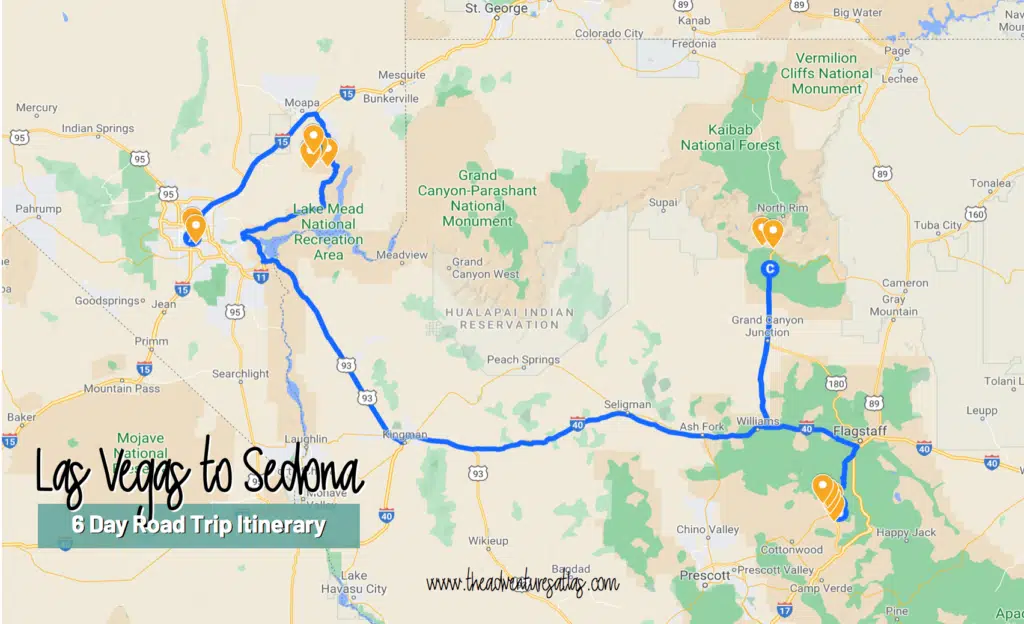
The drive from Nevada into Arizona is more than just a commute; it is a scenic transition through vastly different landscapes. Most travelers opt for the primary route via U.S. Route 93 and Interstate 40, which offers a blend of desert highways and high-desert plateaus.
The Standard Path
The most direct path involves heading southeast from the Las Vegas Strip toward Kingman. This stretch of the journey takes you across the impressive Mike O’Callaghan–Pat Tillman Memorial Bridge, which offers a breathtaking view of the Hoover Dam. From Kingman, you will transition onto Interstate 40 heading east. The drive remains relatively straightforward as you traverse through Williams, a town famous for its connection to the historic Route 66.
Scenic Detours and Considerations
For those with extra time, taking State Route 89A provides a spectacular, albeit winding, descent into Sedona through Oak Creek Canyon. This route is highly recommended for travelers who appreciate dramatic cliffside views and dense ponderosa pine forests. However, keep in mind that State Route 89A can be challenging in winter conditions or for those who are uncomfortable with narrow mountain passes. Always check weather forecasts before setting out, as unexpected snow in the higher elevations near Flagstaff can occur even when the Las Vegas valley is experiencing mild temperatures.
Essential Stops Along the Way
A road trip should be as enjoyable as the final destination. Breaking up the 280-mile stretch allows you to appreciate the cultural and natural heritage of the American Southwest.
Exploring Historic Landmarks
- Hoover Dam: Located just a short drive from Las Vegas, this engineering marvel is a must-see. The visitor center offers deep insights into the history of the Colorado River.
- Kingman: As a hub for Route 66 enthusiasts, this town features several museums and cafes that capture the mid-century spirit of American travel.
- Williams: Serving as a gateway to the Grand Canyon, Williams offers a nostalgic look at classic western storefronts and the iconic Grand Canyon Railway.
Natural Wonders and Photography Opportunities
As you approach Northern Arizona, the geography shifts from scrub brush to red rock monoliths. The Coconino National Forest provides ample opportunities for hiking or simply pulling over to capture photos of the shifting light on the landscape. If you pass through Flagstaff, consider a brief detour to Lowell Observatory, which holds a significant place in the history of astronomy and planetary science.
Planning Your Arrival in Sedona
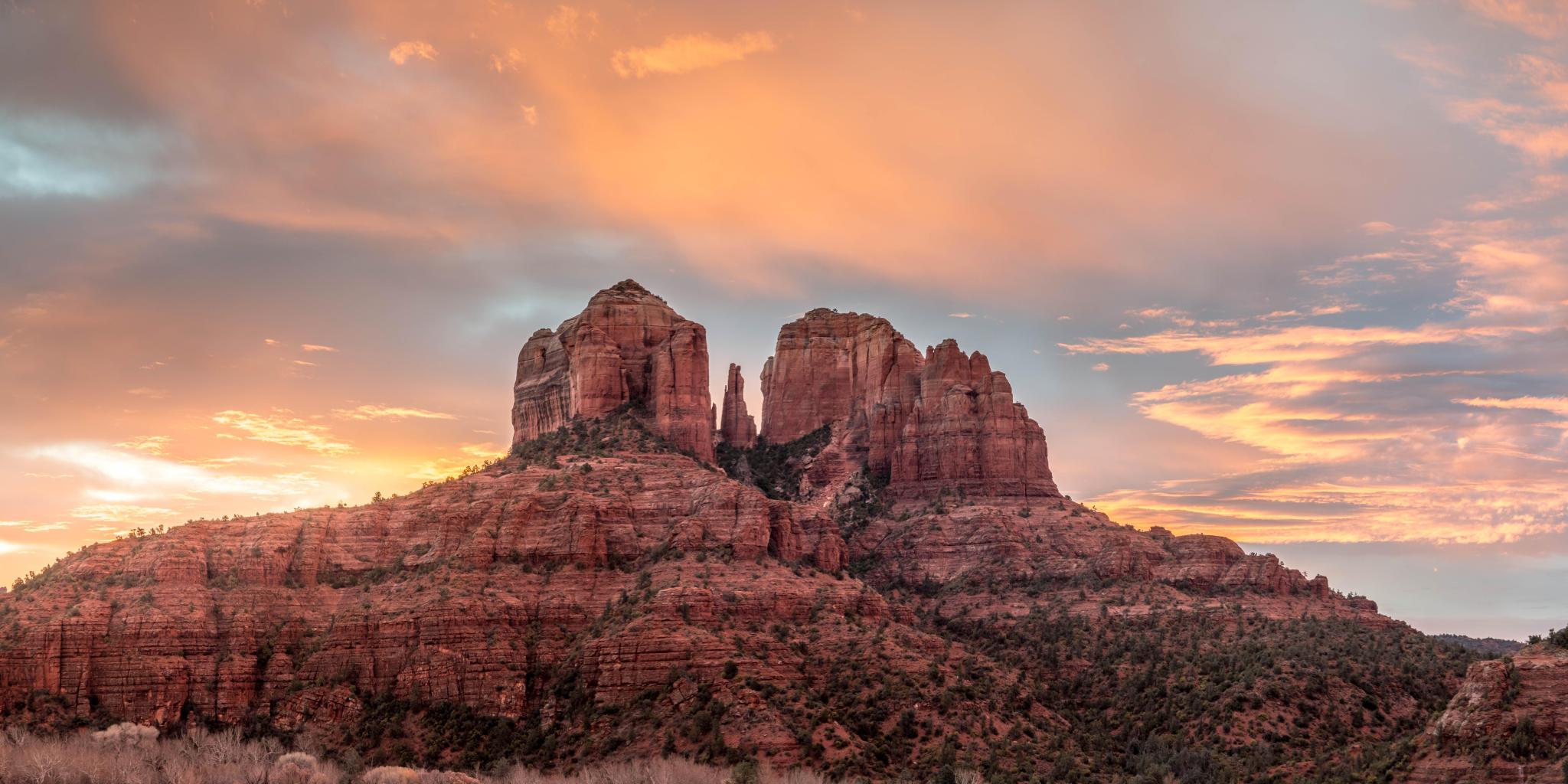
Arriving in Sedona is a transformative experience. The town is world-renowned for its energy vortexes, artsy atmosphere, and stunning topography. Since the drive takes approximately five hours, most travelers prefer to arrive in the afternoon, allowing enough time to settle in before the sun begins to set against the famous Cathedral Rock.
Optimizing Your Travel Time
Traffic around Las Vegas can be heavy during peak commute hours, particularly on Friday afternoons. Aim to depart mid-morning or during the midweek to ensure a smoother transition through the city. Similarly, traffic heading into Sedona on the final approach through Oak Creek Canyon can slow down during tourist seasons; having a flexible schedule is key to reducing stress.
Travel Tips for Success
- Fuel Management: Gas stations are frequent on Interstate 40, but if you choose the scenic State Route 89A path, ensure your tank is full before leaving Flagstaff.
- Hydration: Even in cooler months, the high altitude of Arizona can lead to dehydration. Always carry extra water, especially if you plan to stop for short hikes in places like Slide Rock State Park.
- Digital Connectivity: While GPS is generally reliable, downloading offline maps is a prudent decision for the more remote stretches of the route where cellular signals may become intermittent.
Why the Drive is Worth Every Mile
The distance from Las Vegas to Sedona represents more than just geographical displacement; it is a journey into the heart of the Desert Southwest. The contrast between the bright lights and artificial wonders of Nevada and the ancient, earthy silence of the red rocks creates a compelling narrative for any traveler.
By understanding the route, preparing for the varied terrain of Northern Arizona, and embracing the opportunities for discovery along the way, the 280-mile drive becomes a highlight of the trip rather than a mere necessity. From the historic markers of Route 66 to the serene hiking trails of Bell Rock, every segment of this journey offers something unique. Whether you are looking to escape the urban sprawl or simply exploring the beautiful geography of the United States, the path from Las Vegas to Sedona provides a perfect balance of exploration and relaxation. Take your time, enjoy the shifting colors of the landscape, and let the road lead you to the incredible vistas that await in the heart of Arizona.
LifeOutOfTheBox is a participant in the Amazon Services LLC Associates Program, an affiliate advertising program designed to provide a means for sites to earn advertising fees by advertising and linking to Amazon.com. Amazon, the Amazon logo, AmazonSupply, and the AmazonSupply logo are trademarks of Amazon.com, Inc. or its affiliates. As an Amazon Associate we earn affiliate commissions from qualifying purchases.