
The journey between Palm Springs and Las Vegas is a classic American desert road trip that transitions travelers from the serene, mid-century modern aesthetic of the Coachella Valley to the neon-drenched intensity of the Mojave Desert. Whether you are a weekend adventurer looking to trade poolside relaxation for casino thrills or a business traveler navigating the Nevada circuit, understanding the logistics of this route is essential for a seamless excursion.
Calculating the Miles and Travel Time
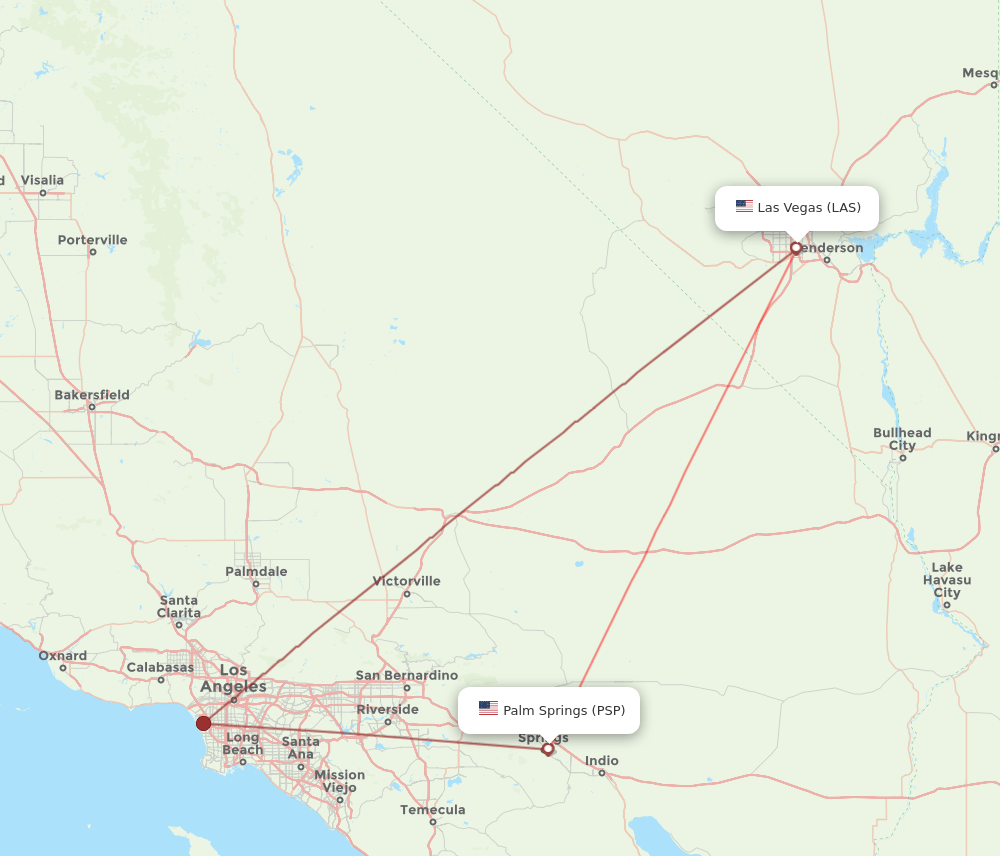
When planning the drive between these two iconic California and Nevada destinations, most motorists expect a straightforward trek. The distance is approximately 230 to 250 miles, depending on your specific starting point in the valley and your destination on the Las Vegas Strip. Under optimal traffic conditions, you can expect to spend between 4 and 4.5 hours behind the wheel.
The Primary Route via I-15
The most common path involves connecting from Interstate 10 to Interstate 15 North. This route takes you through the heart of the Inland Empire and past major hubs like Barstow. While this is the most efficient highway path, it is also highly susceptible to heavy traffic, particularly on Friday afternoons when Los Angeles commuters head toward Sin City for the weekend, and again on Sunday evenings when the flow reverses.
Factoring in Road Conditions
While 240 miles sounds short on paper, the desert climate introduces variables that can extend travel time. High summer temperatures can put a strain on older cooling systems, and desert winds can create challenging driving conditions for high-profile vehicles. Always check traffic apps for construction updates near Victorville or Baker, as accidents or roadwork on the I-15 can lead to significant delays that turn a four-hour trip into a six-hour ordeal.
Must-See Stops Along the Way
Rather than rushing the drive, many savvy travelers treat the distance between these two desert oases as an opportunity to explore the unique character of the High Desert. Splitting the drive makes the journey feel more like a vacation and less like a chore.
Discovering the Quirky Side of the Mojave
The drive offers several fascinating pit stops that capture the essence of desert living:
- Pioneertown: Before leaving the Palm Springs area, a quick detour to this former 1940s film set offers a glimpse into Old West history.
- Calico Ghost Town: Located near Yermo, this former silver mining town is a well-preserved piece of American West history. It provides a perfect stretch-your-legs opportunity halfway through the trip.
- World’s Tallest Thermometer: Standing as a landmark in Baker, this 134-foot structure is an iconic photo opportunity that highlights the extreme heat often encountered in the Mojave National Preserve.
- Seven Magic Mountains: Just before you reach the neon lights, this vibrant public art installation by Ugo Rondinone offers a surreal, colorful contrast to the dusty landscape.
Strategic Tips for Your Desert Crossing
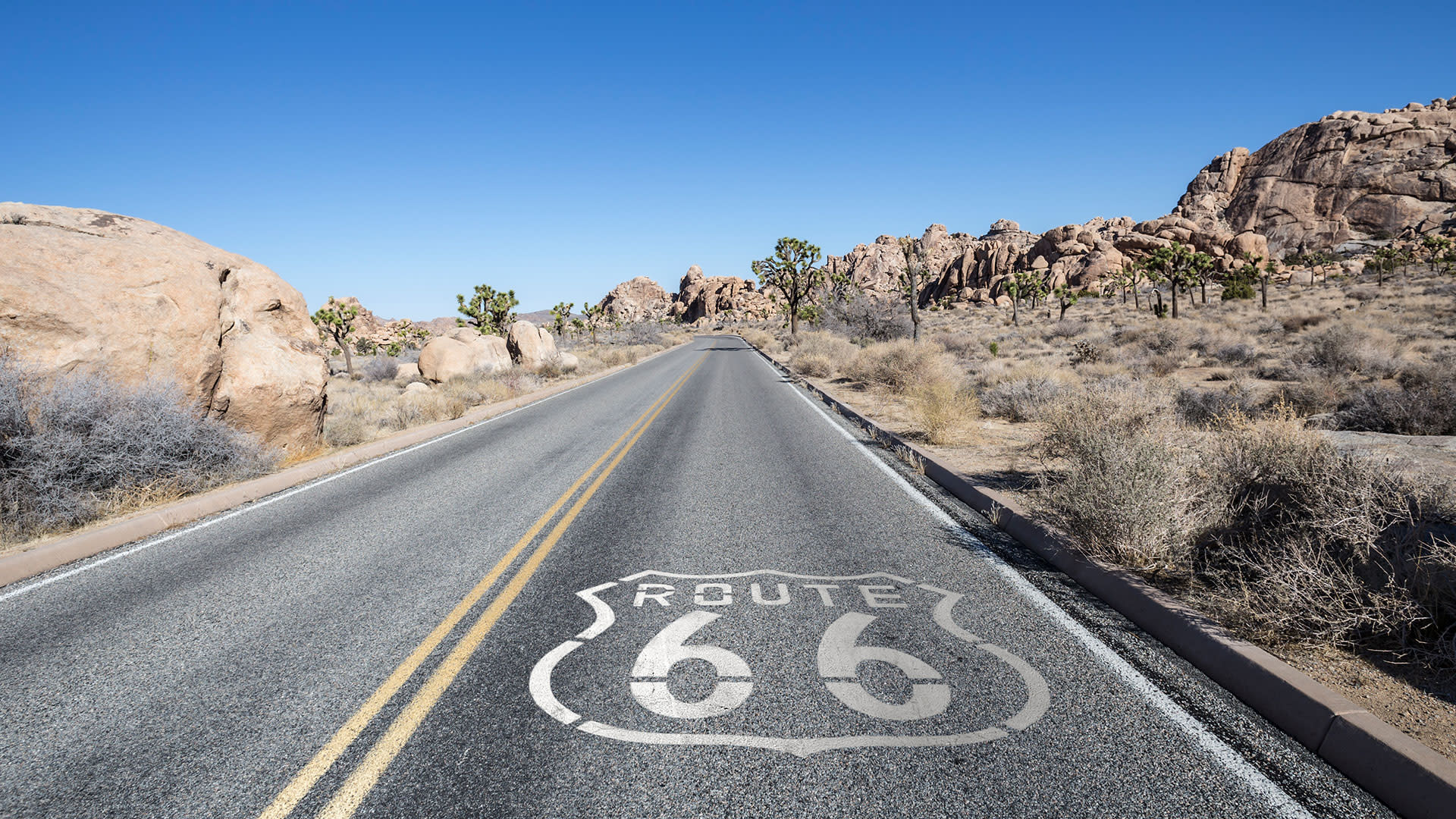
Preparation is the difference between a pleasant road trip and an exhausting one. When traveling through such desolate stretches, adhering to a few professional travel guidelines will ensure your safety and comfort.
Optimal Departure Times
If you have the flexibility to choose your departure, aim for early morning—ideally before 7:00 AM—or late evening. Leaving Palm Springs during the heat of the afternoon during summer months can be taxing on both your vehicle and your endurance. Mid-week travel is significantly faster than the weekend rush, as the Interstate 15 corridor becomes notoriously congested on peak days.
Fuel and Maintenance
While there are plenty of service stations, don’t let your fuel gauge drop below a quarter of a tank. The stretch between Barstow and the Nevada border can be isolated. Always ensure your tire pressure is correct, as the scorching desert pavement can cause blowouts on worn tires. Keeping a gallon of water in the trunk is a standard practice for any seasoned Southwest traveler, regardless of the season.
Comparing Transportation Alternatives
If driving your own vehicle doesn’t appeal to you, there are several other ways to navigate the distance between these two United States vacation hotspots.
Luxury Shuttle and Private Car Services
For those who prefer to relax, private car services operate between Palm Springs and Las Vegas. While more expensive than driving, this eliminates the stress of navigating highway traffic and allows you to work or rest in comfort. Many high-end resorts in both cities can arrange point-to-point transportation for guests.
Air Travel Limitations
Interestingly, there are rarely consistent direct commercial flight options between Palm Springs International Airport and Harry Reid International Airport. Because the distance is relatively short, flying usually requires a layover in Los Angeles or Phoenix, which often takes significantly longer than simply driving. For most visitors, the car remains the most efficient and practical method of transit.
The Destination Reward: From Oasis to Entertainment Hub
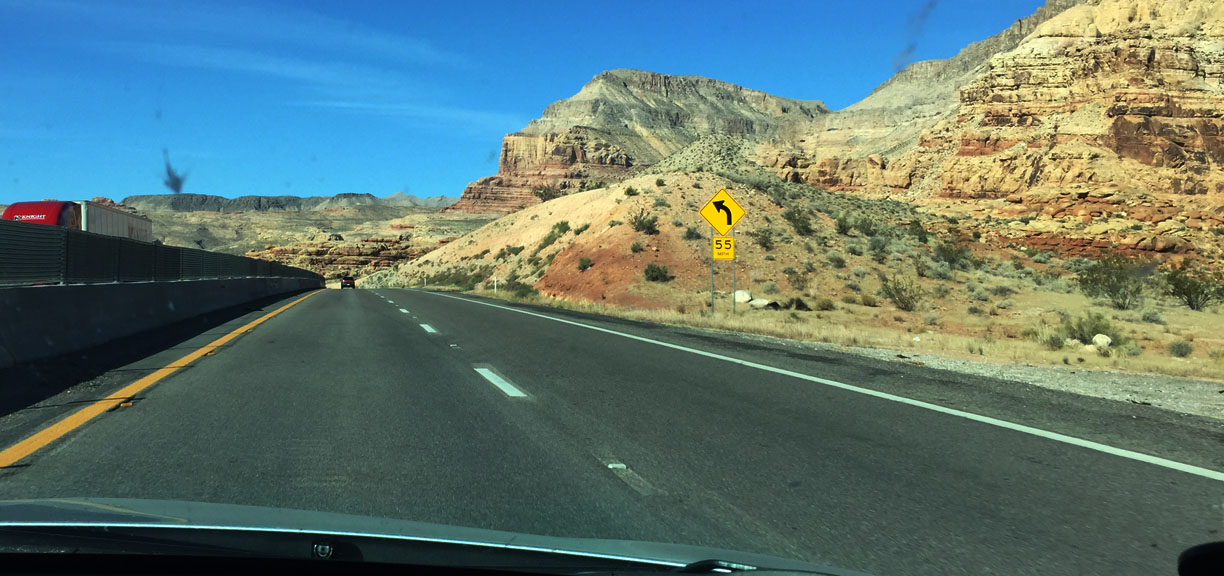
Regardless of which path you take, the transition from the relaxed, retro-chic environment of Palm Springs to the non-stop energy of Las Vegas provides a distinct contrast in travel experiences.
In Palm Springs, the focus remains on outdoor leisure, hiking, and soaking in the sun at upscale boutique hotels. The desert landscape here is lush, dotted with palm trees and manicured golf courses. Conversely, Las Vegas offers a vertical landscape of entertainment, where the focus shifts to world-class dining, immersive theatre performances, and an unparalleled nightlife scene.
Understanding the distance is more than just reading a map; it is about mentally preparing for two very different modes of living. By planning your trip with these tips in mind, you can transform the four-hour journey from a simple commute into a cohesive part of your desert vacation experience. Whether you stop to explore the historical remnants of mining towns or choose to cruise straight through the Mojave Desert, the path between these two icons is an essential part of your journey through the American West.
LifeOutOfTheBox is a participant in the Amazon Services LLC Associates Program, an affiliate advertising program designed to provide a means for sites to earn advertising fees by advertising and linking to Amazon.com. Amazon, the Amazon logo, AmazonSupply, and the AmazonSupply logo are trademarks of Amazon.com, Inc. or its affiliates. As an Amazon Associate we earn affiliate commissions from qualifying purchases.