
Planning a cross-country journey through the American Southwest requires a clear understanding of the vast landscapes that define the region. When traveling between Albuquerque and Las Vegas, you are not merely moving between two cities; you are traversing a rugged, high-desert corridor that showcases the geological diversity of New Mexico and Nevada. Whether you are an adventure seeker looking to explore scenic byways or a traveler managing a tight itinerary, understanding the distance and logistics is essential for a seamless trip.
The Road Distance and Travel Time
The drive between Albuquerque and Las Vegas covers approximately 580 to 600 miles, depending on your specific starting point and the chosen route. Under optimal conditions, this journey typically takes between 8.5 to 10 hours of pure driving time. However, the unique terrain of the Southwest often suggests that travelers allow for extra time to navigate through changing weather patterns, elevation gains, and the occasional need to refuel in more remote sections of the Interstate 40 or U.S. Route 93 corridors.
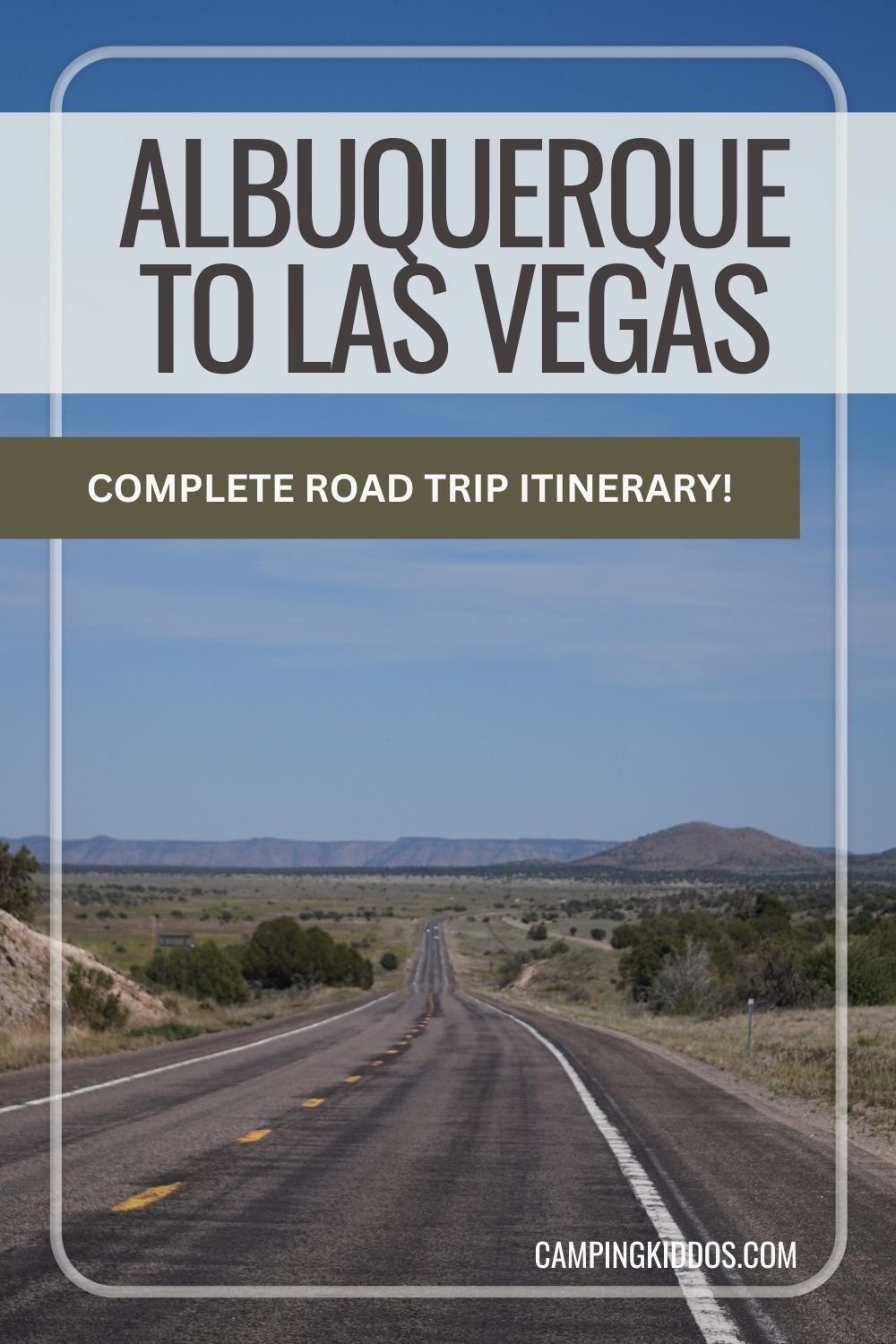
Navigating the Primary Route
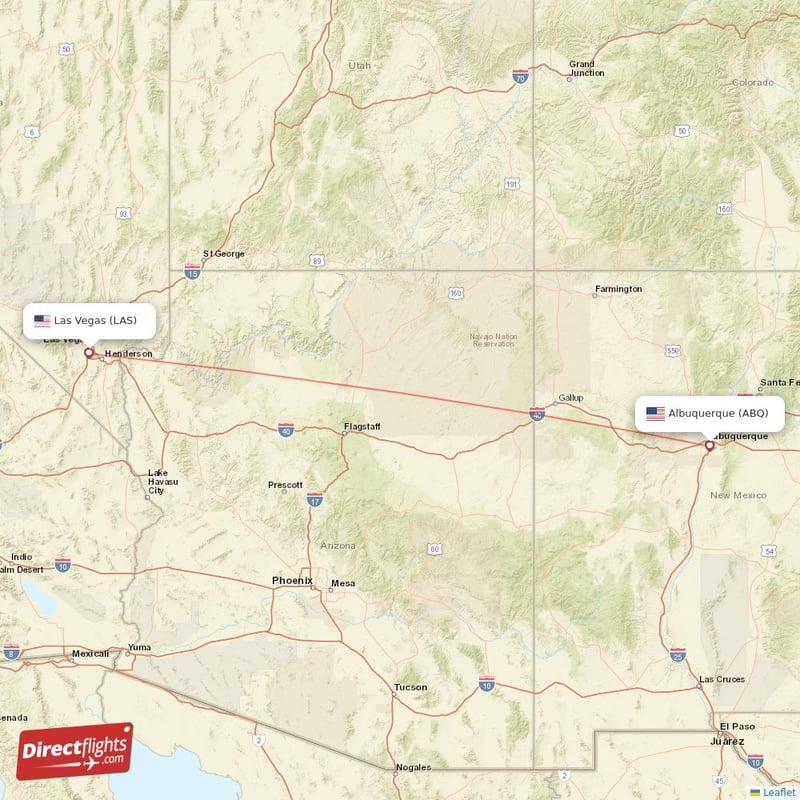
The most common path taken by road trippers involves heading west from New Mexico into Arizona. Drivers usually take Interstate 40 West, passing through Gallup before entering the northern reaches of Arizona. Near Kingman, travelers transition onto U.S. Route 93 North, which serves as the final leg of the journey, pulling you across the border into the Mojave Desert and eventually to the neon-lit horizon of Las Vegas.
Seasonal Considerations
The Southwest experiences extreme temperature fluctuations, which significantly impact driving conditions. During the summer months, temperatures in the Mojave Desert can soar well above 110 degrees Fahrenheit, putting immense strain on vehicle cooling systems. Conversely, winter months can bring unexpected snowstorms to the high-elevation areas near Flagstaff, where the road climbs into alpine forests. Always check local forecasts for Arizona and New Mexico before setting out to ensure your vehicle is prepared for the specific seasonal challenges of this route.
Notable Stops Along the Journey
Because the distance is substantial, many travelers choose to break the journey into two days. This approach allows for a more relaxed pace and the opportunity to engage with some of the most iconic landscapes in the United States.
The Charm of Northern Arizona
A midpoint stop in Flagstaff is highly recommended for those looking to stretch their legs in a high-altitude setting. The city offers a distinct change of scenery from the surrounding deserts, featuring ponderosa pine forests and a vibrant downtown atmosphere. For those with extra time, the proximity of Flagstaff to the Grand Canyon makes for a perfect detour. A short drive north allows you to witness the awe-inspiring depth of one of the world’s most famous landmarks, providing a refreshing break before completing the final stretch toward the Nevada border.

Exploring the Hoover Dam
As you approach your destination, a visit to the Hoover Dam is almost mandatory. Located on the border between Arizona and Nevada, this feat of engineering is a testament to human ingenuity. Walking along the top of the dam offers breathtaking views of the Colorado River and Lake Mead. It serves as a symbolic transition point from the natural wonders of the American West into the bustling, high-energy environment of Las Vegas.
Alternative Transit Options
While driving is the most common method for traveling between Albuquerque and Las Vegas, it is not the only way to make the trip.
Air Travel
For those who prefer to minimize travel time, several airlines offer flights between Albuquerque International Sunport and Harry Reid International Airport. Direct flights are often limited, and many routes may require a layover in Phoenix or Denver. However, the flight time is significantly shorter—usually around 1.5 to 2 hours of air time—making it an attractive option for business travelers or those strictly looking to reach their hotel on the Las Vegas Strip as efficiently as possible.
Bus and Ground Shuttles
Public transportation options, such as long-distance buses, also connect these two cities. While this method is generally more time-consuming than flying or driving, it allows travelers to enjoy the scenery without the stress of navigating highway traffic. Passengers should be prepared for multiple stops and a travel duration that can exceed 15 hours. If you choose this route, verify the schedules of major transit providers carefully to ensure a smooth connection.
Tips for a Successful Road Trip
Crossing the Southwest requires preparation that goes beyond simply mapping out the route. Whether you are driving a personal vehicle or a rental, keeping these logistical tips in mind will enhance your experience.
- Hydration and Supplies: The Arizona and New Mexico landscape is unforgivingly dry. Always keep more water than you think you need in the car. Snacks, a basic first-aid kit, and a paper map—in case GPS fails in remote areas—are essential additions to your packing list.
- Vehicle Readiness: Ensure that your tire pressure, oil levels, and fluid levels are checked before departure. High-speed travel across long, flat stretches of Interstate 40 can be taxing on older vehicles.
- Connectivity: Cell service can be spotty in the vast stretches of desert between Gallup and Kingman. Download offline versions of your navigation maps and playlists to ensure you have entertainment and guidance throughout the trip, regardless of network availability.
- Fuel Management: Don’t let your gas gauge drop too low. In rural parts of the route, gas stations can be spaced significantly further apart than they are in urban centers. Aim to keep at least a half-tank of gas whenever passing through larger towns.
By preparing for the reality of the distance, you transform the trek from a chore into a core part of the vacation experience. The transition from the high-desert plateaus of Albuquerque to the vibrant, neon landscape of Las Vegas offers a profound look at the physical scale of the American West. Whether you choose to take the scenic route with stops at natural monuments or opt for the efficiency of a short flight, the journey itself is a passage through some of the most historic and visually striking geography in the United States. Plan ahead, stay flexible, and enjoy the diverse beauty that unfolds across every mile of the road.
LifeOutOfTheBox is a participant in the Amazon Services LLC Associates Program, an affiliate advertising program designed to provide a means for sites to earn advertising fees by advertising and linking to Amazon.com. Amazon, the Amazon logo, AmazonSupply, and the AmazonSupply logo are trademarks of Amazon.com, Inc. or its affiliates. As an Amazon Associate we earn affiliate commissions from qualifying purchases.