
For many travelers traversing the American Southwest, the route between Las Vegas and Salt Lake City represents one of the most iconic road trips in the United States. Spanning the dramatic transition from the neon-lit deserts of Nevada to the towering, snow-capped peaks of Utah, this journey is far more than a simple commute. Understanding the distance and the logistical realities of the drive is essential for anyone looking to bridge these two major cultural hubs.
Distance and Driving Realities
The direct driving distance between Las Vegas and Salt Lake City is approximately 420 to 450 miles, depending on your specific starting point and the route chosen. Under normal traffic conditions and without prolonged stops, the drive typically takes between six and seven hours.
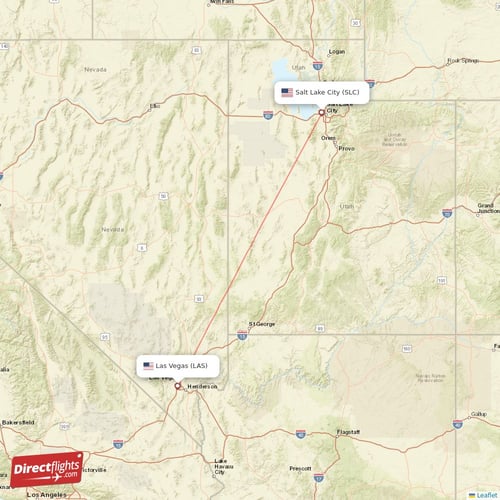
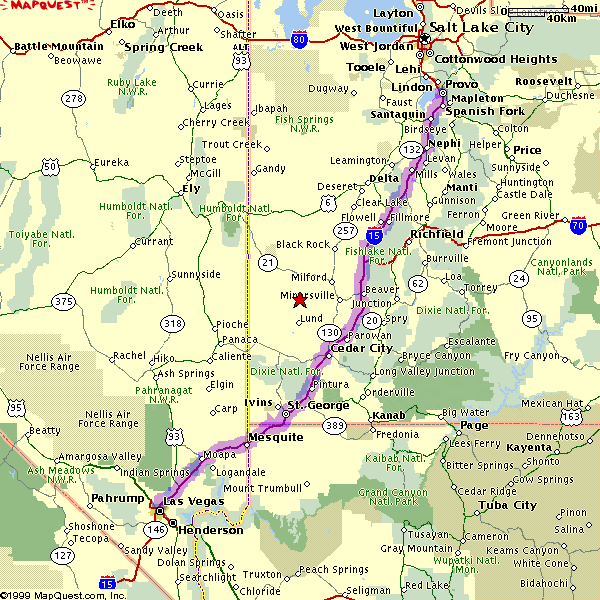
Most travelers utilize Interstate 15, a major highway artery that connects the two cities through the heart of the high desert. While the interstate is well-maintained and provides a relatively straightforward path, it is important to factor in the arid climate and the isolated stretches of road that characterize this region. Weather patterns in the mountain passes of Utah can change rapidly, particularly during the winter months, so monitoring road conditions is a critical part of pre-trip planning.
Exploring the Route: Scenic Stops and Attractions
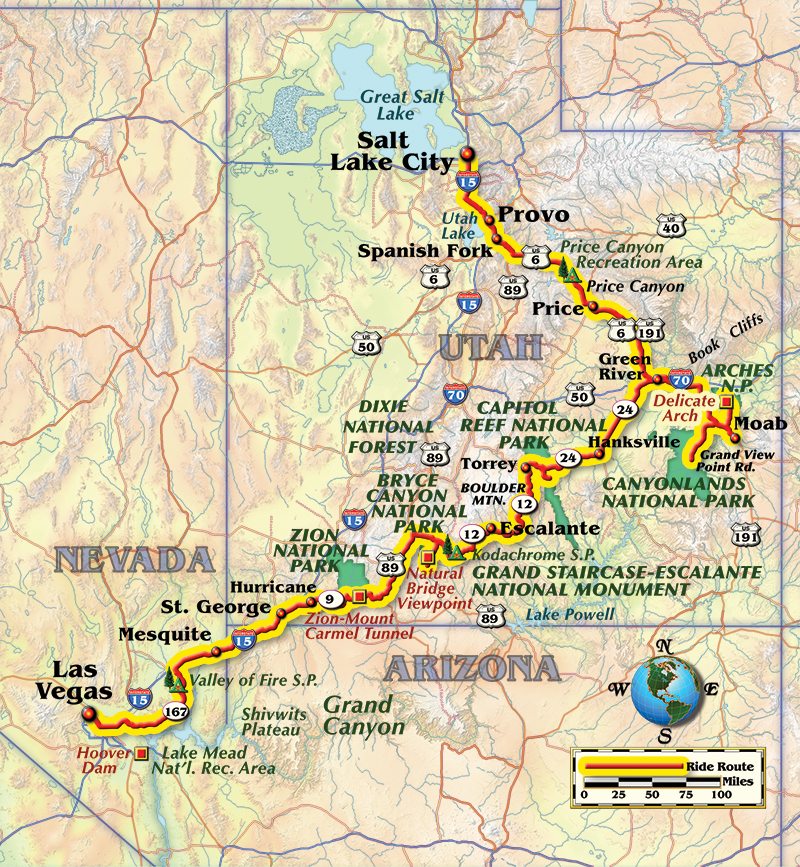
While it is possible to complete the trip in a single day, breaking up the journey allows for a deeper appreciation of the geography that defines the Great Basin. The landscape shifts dramatically as you move north, offering a variety of opportunities for exploration.
The Virgin River Gorge
One of the most visually arresting segments of the drive occurs shortly after leaving Nevada and entering the northwest corner of Arizona. The Virgin River Gorge is a stunning feat of engineering and natural beauty. As you navigate the winding curves of the highway, you are flanked by massive limestone cliffs that showcase millions of years of geological history. It is a stark, rugged reminder of the raw power that has shaped the American West.
St. George and Zion National Park
As you enter Utah, the city of St. George serves as a perfect halfway point for many travelers. It acts as a gateway to some of the most famous natural wonders in the world. A short detour from the interstate leads you toward Zion National Park, where the towering red sandstone cliffs and deep canyons provide a landscape unlike any other. Even if your schedule is tight, a brief stop in St. George provides access to high-quality amenities, food, and the opportunity to stretch your legs before the final push toward Salt Lake City.
Cedar City and the High Plateaus
Continuing north, the terrain begins to climb in elevation, leading you through Cedar City. Known for its vibrant arts scene and proximity to Cedar Breaks National Monument, this area offers a cooler climate and a refreshing change from the desert heat of Las Vegas. The drive through this section passes through high-altitude plateaus, providing sweeping vistas of the Wasatch Range as you draw closer to your destination.
Planning Your Trip: Practical Considerations
Traveling between these two iconic cities requires preparation, especially regarding the environment. The route crosses vast stretches of desert where service stations can be sparse.
Vehicle Maintenance and Fuel
Before departing Las Vegas, ensure that your vehicle is prepared for high-speed highway driving and potential temperature fluctuations. Checking tire pressure, fluid levels, and cooling systems is essential. While Interstate 15 features several towns with fuel and services, it is wise to keep your tank at least half full, particularly when navigating the more remote sections near the Nevada-Utah border.
Optimal Times to Travel
The best time to make this journey depends on your preference for climate and your tolerance for high-season crowds.
- Spring and Fall: These seasons offer the most moderate temperatures, making it easier to enjoy outdoor stops along the way.
- Summer: The desert stretches can reach extreme temperatures. If you choose to travel during the summer, ensure your vehicle’s air conditioning is fully operational and carry extra water for all passengers.
- Winter: Travelers should be prepared for potential snow and ice in the northern sections of Utah. The Wasatch Range can experience significant snowfall, and Interstate 15 may be subject to temporary speed restrictions or closures during heavy storm events.
Transportation Alternatives
For those who prefer not to drive, there are other ways to cover the distance between Las Vegas and Salt Lake City.
- Air Travel: Several airlines provide direct flights connecting Harry Reid International Airport to Salt Lake City International Airport. The flight time is typically around 90 minutes, offering a convenient, albeit less scenic, alternative for those on a tight schedule.
- Bus Services: Intercity bus lines operate routes between the two cities. While this method takes significantly longer than driving, it removes the stress of navigation and allows travelers to relax while taking in the views of the Great Basin and surrounding geography.
The Destination: Salt Lake City
Upon reaching the end of your drive, the urban landscape of Salt Lake City provides a stark contrast to the vast, open spaces you crossed to reach it. Nestled against the base of the Wasatch Range, the city offers a unique blend of historical significance, outdoor adventure, and modern cultural growth.
Visitors often find that the time spent on the road is well-rewarded upon arrival. From exploring Temple Square to accessing the world-class ski resorts of the Wasatch Front, the transition from the glitz of Las Vegas to the mountainous backdrop of Salt Lake City provides a well-rounded travel experience.
Whether you are embarking on this journey for business or leisure, the drive between these two landmarks of the American West remains one of the most accessible ways to experience the diversity of the high desert and the beauty of the Rocky Mountains. By respecting the distance, planning for the unique climate, and taking the time to explore the hidden gems along the route, you transform a simple commute into a memorable chapter of your travel story.
LifeOutOfTheBox is a participant in the Amazon Services LLC Associates Program, an affiliate advertising program designed to provide a means for sites to earn advertising fees by advertising and linking to Amazon.com. Amazon, the Amazon logo, AmazonSupply, and the AmazonSupply logo are trademarks of Amazon.com, Inc. or its affiliates. As an Amazon Associate we earn affiliate commissions from qualifying purchases.