
Planning a road trip to the neon-lit oasis of Las Vegas is a classic American rite of passage. Whether you are seeking the high-octane thrills of the Las Vegas Strip or a quiet retreat into the nearby desert landscapes, understanding the logistics of your journey is the first step toward a successful vacation. The duration of your drive depends heavily on your starting point, your tolerance for traffic, and the scenic detours you choose to take along the way.
Understanding the Drive from Major Western Hubs
Most visitors arriving by car originate from major metropolitan areas in the Western United States. Because of the vast distances and the unique topography of the Mojave Desert, travel times can fluctuate based on the time of day and the season.
The Iconic California Route
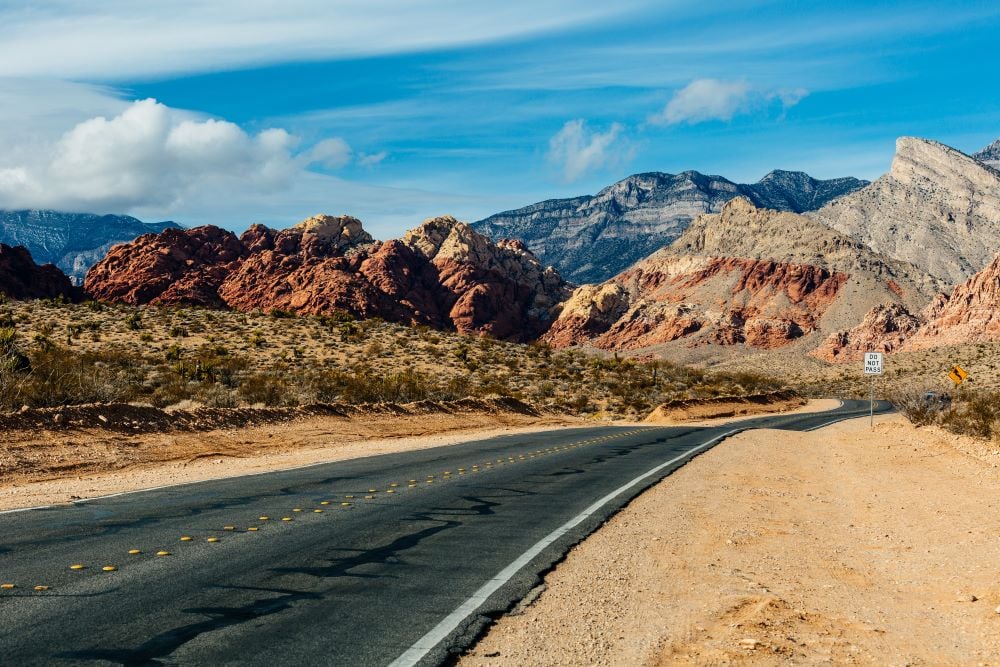
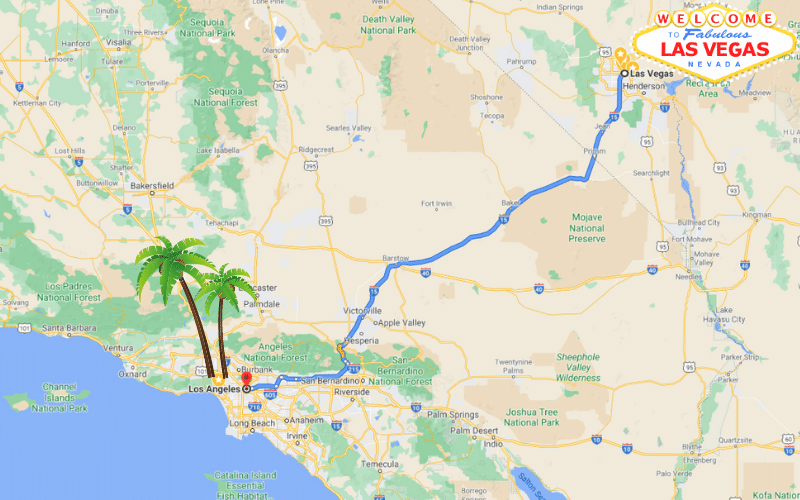
The drive from Los Angeles is perhaps the most well-trodden path to the city. Under optimal conditions, this drive typically takes between four and five hours. However, the Interstate 15 corridor is notorious for heavy traffic, particularly on Friday afternoons and Sunday evenings. When vacationers head out for the weekend, travel times can easily swell to seven or eight hours. Navigating the Cajon Pass remains the primary bottleneck for those traveling from Southern California.
From Northern Destinations
Travelers coming from San Francisco face a much longer journey. This trek usually takes between eight and ten hours, covering roughly 570 miles. Many drivers opt to take the scenic route through Yosemite National Park during the summer months, though winter road closures often force travelers to take the southern route via Bakersfield. Similarly, those driving from Phoenix can expect a relatively straightforward five-hour drive across the desert, provided the summer heat does not push their vehicle to its mechanical limits.
Strategic Planning for Desert Travel
Driving in the American Southwest requires a different set of preparations than a typical road trip through more temperate climates. The desert is unforgiving, and a breakdown can quickly escalate from an inconvenience to a dangerous situation if you are not adequately prepared.
The Importance of Vehicle Maintenance
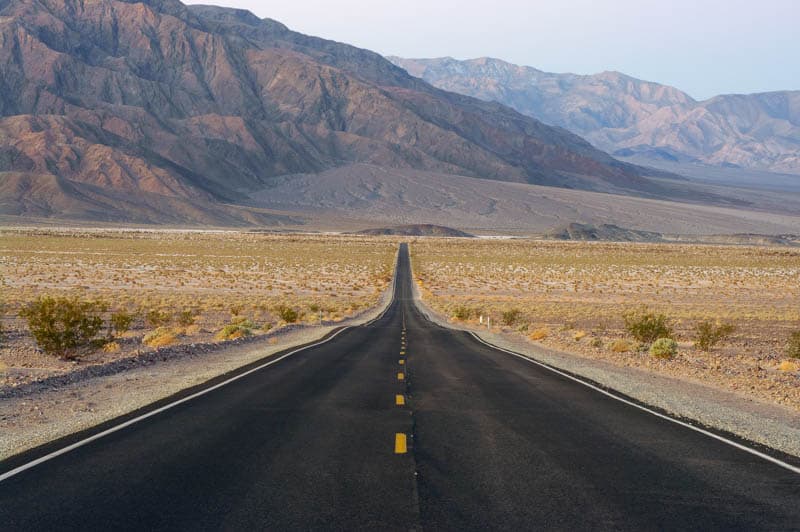
Before embarking on your trip, ensure your tires are in excellent condition. Heat is the greatest enemy of rubber, and the scorching asphalt of Nevada can cause tire blowouts on older or improperly inflated tires. Additionally, check your coolant levels and battery health. The long, flat stretches of road often lack cellular service, making roadside assistance difficult to summon in a timely manner.
Timing Your Departure
To avoid the worst of the congestion, consider leaving during off-peak hours. If you are departing from San Diego, leaving mid-week is highly recommended. Many veteran travelers prefer to leave before dawn, which allows them to bypass the intense midday desert temperatures and arrive in Clark County just as the sun begins to set over the horizon. Arriving at night is a spectacular experience, as the glow of the city becomes visible from miles away against the dark backdrop of the Spring Mountains.
Scenic Detours and Must-Stop Locations
A road trip should be as much about the journey as the destination. If your schedule allows for extra time, several iconic stops can break up the monotony of the highway and add significant value to your travel experience.
Exploring Natural Wonders
- Red Rock Canyon National Conservation Area: Located just outside the city, this is a perfect final stop to stretch your legs before checking into your hotel.
- Seven Magic Mountains: This public art installation is located right off the highway and offers a surreal, colorful photo opportunity that contrasts beautifully with the desert floor.
- Valley of Fire State Park: If you are approaching from the north or east, this geological wonder is well worth the extra hour of driving.
Unique Roadside Oddities
The route from Utah via St. George offers travelers the chance to see the Virgin River Gorge. This engineering marvel carves through massive cliffs and is considered one of the most beautiful stretches of highway in the country. For those coming from Arizona, a stop at the Hoover Dam provides a glimpse into the historic power of the Colorado River and the architectural ingenuity of the early 20th century.
Managing Fatigue and Safety on Long Drives
Driving long distances, particularly through the hypnotic, repetitive landscapes of the desert, can lead to “highway hypnosis.” It is essential to manage your physical well-being throughout the trip to ensure you arrive safely.
Setting a Sustainable Pace
Do not attempt to push through an eight-hour drive without breaks. Plan to stop every two to three hours. Not only does this allow you to stay hydrated—which is critical in the dry heat of Henderson—but it also gives your eyes and brain a rest from the constant scanning of the road.
Night Driving Considerations
While night driving can be cooler and offer less traffic, it presents its own set of challenges. Visibility is significantly reduced, and desert wildlife, such as coyotes or wild burros, can occasionally stray onto the roads. If you choose to drive after dark, keep your headlights clear of dust and maintain a slightly lower speed. Ensure you have high-protein snacks and plenty of water on hand, as service stations are often spaced far apart.
By taking the time to plan your route, inspect your vehicle, and acknowledge the physical demands of the desert, you can turn a potentially stressful drive into a memorable start to your Nevada adventure. Whether you are traveling for a weekend getaway or a long-term stay, the transition from the isolation of the open road to the vibrant, high-energy environment of the city center is an experience that defines the excitement of visiting this iconic destination. Always monitor traffic reports via local apps before departing, as road work and accidents can significantly alter your travel time on major thoroughfares. Enjoy the open road and the unique landscape that leads you to the center of the world’s entertainment capital.
LifeOutOfTheBox is a participant in the Amazon Services LLC Associates Program, an affiliate advertising program designed to provide a means for sites to earn advertising fees by advertising and linking to Amazon.com. Amazon, the Amazon logo, AmazonSupply, and the AmazonSupply logo are trademarks of Amazon.com, Inc. or its affiliates. As an Amazon Associate we earn affiliate commissions from qualifying purchases.