
Planning a getaway from the vibrant music scene of Austin to the neon-lit spectacle of Las Vegas is a popular choice for travelers seeking a balance of culture and excitement. Whether you are heading to Nevada for a weekend of entertainment, a business conference, or a desert escape, knowing exactly how much time you will spend in the air is essential for coordinating your itinerary.
Typical Flight Duration and Direct Routes
When flying from Austin-Bergstrom International Airport to Harry Reid International Airport, the journey is surprisingly efficient. For passengers who secure a non-stop flight, the average time in the air is approximately 2 hours and 50 minutes to 3 hours and 10 minutes.

Understanding Non-Stop Efficiency
The actual time spent cruising depends on several factors, including the specific flight path taken, the airline’s preferred speed, and current atmospheric conditions like jet streams. Because this route covers a distance of roughly 1,200 miles, it is considered a medium-haul domestic flight. Most major carriers, such as Southwest Airlines and Allegiant Air, optimize this route to ensure quick turnaround times, making it an ideal journey for those who prefer to minimize travel time.
Factors Influencing In-Flight Time
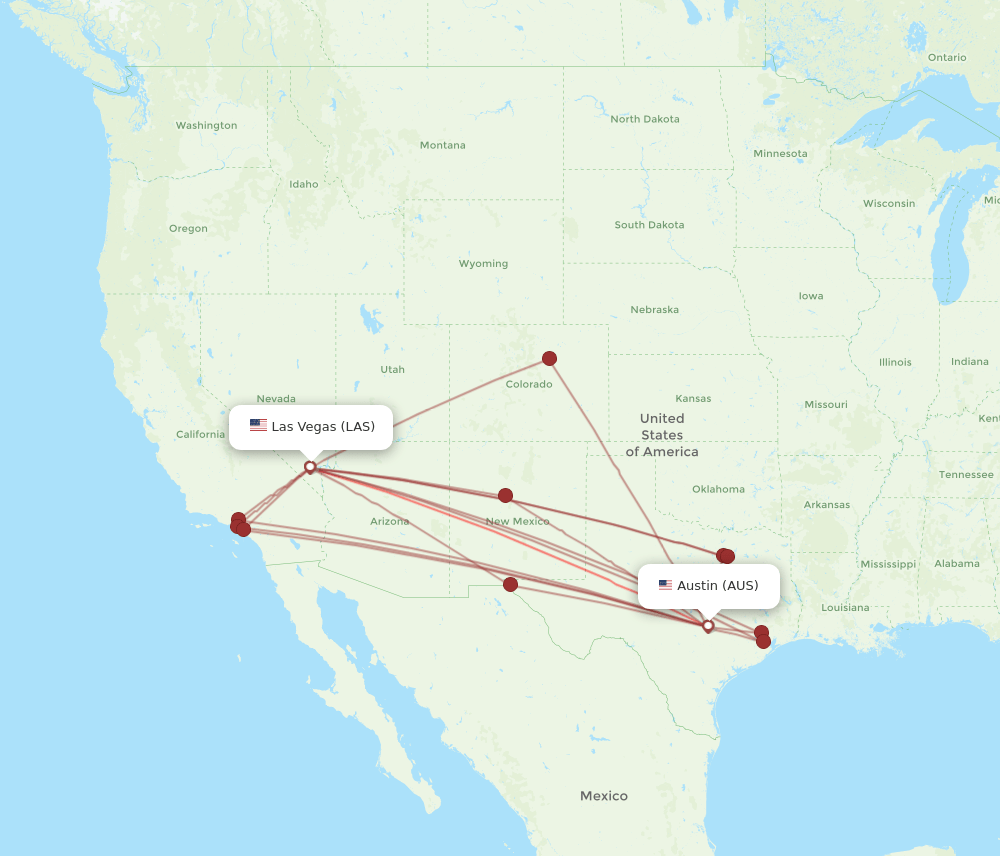
While the flight plan usually maps out a direct line across Texas and New Mexico, air traffic control may occasionally adjust the path. Heavy winds or congestion around major flight corridors can lead to slight variations. It is always wise to add a small buffer of 15 to 20 minutes when planning your ground transportation or dinner reservations upon arrival.
Navigating Connecting Flights
Not every traveler chooses a direct route. Depending on your airline of choice or the necessity of finding a cheaper fare, you might find yourself booked on a flight with a layover.
Common Layover Hubs
If you are flying with a carrier that does not operate a non-stop route from Austin, you may pass through hubs such as Phoenix Sky Harbor International Airport or Denver International Airport. A layover can extend your total travel time from three hours to anywhere between five and eight hours, depending on the efficiency of the connection.
Pros and Cons of Layovers
While direct flights are the gold standard for convenience, connecting flights can occasionally offer more flexibility in pricing or timing for those traveling during peak seasons. However, for a distance as manageable as the one between Texas and Nevada, most travelers prioritize the speed of a non-stop journey to maximize their time spent at the Las Vegas Strip.
Planning Your Travel Day
The duration of your flight is only one component of your overall transit day. From the moment you leave your front door to the moment you check into your room at a luxury destination like The Venetian Las Vegas or Caesars Palace, there are several time-consuming stages to consider.
Pre-Flight Considerations
Getting to the airport early is non-negotiable. Austin-Bergstrom International Airport has seen significant growth in recent years, which can lead to longer security lines during peak morning hours. It is recommended that you arrive at least two hours before your scheduled departure. This ensures you have ample time for baggage drop-off and navigating to your gate without unnecessary stress.
Arrival Procedures
Upon landing in Nevada, keep in mind that Harry Reid International Airport is located very close to the heart of the city. While the flight itself is under three hours, deplaning, collecting baggage, and securing a rideshare or taxi can add another 45 to 60 minutes to your timeline. Factor this into your arrival planning, especially if you have tickets for a specific show or a dinner reservation at one of the world-class restaurants found in Las Vegas.
Maximizing Your Journey
To ensure your trip from Austin to Las Vegas remains a seamless experience, consider these final logistical tips.
Choosing the Right Time to Fly
Flights departing in the early morning often face fewer delays than those scheduled for the afternoon or evening. Because Nevada is in a different time zone—Pacific Standard Time, which is two hours behind Central Standard Time—you will often find that you “gain” time when flying westward. A flight that takes three hours in the air might see you arrive at your destination only one hour after you departed according to your watch. This time advantage is a distinct perk for travelers heading from Texas to the West Coast.
Travel Comfort
Given that the flight duration is relatively short, it is easy to forego high-end amenities; however, staying hydrated is critical. The air inside a cabin is famously dry, and the desert climate of Las Vegas is equally arid. Bringing an empty water bottle through security to fill up before boarding will pay dividends for your comfort upon arrival.

Final Arrival Preparation
Whether you are visiting for the hiking at Red Rock Canyon or the indoor thrills of the city’s many casinos, the short, three-hour flight makes this a highly accessible destination. By understanding the nuances of the flight path, the importance of arriving early at the airport, and the benefit of the time zone change, you can ensure your transition from the live music capital of the world to the entertainment capital of the world is as smooth as possible. With careful planning, your transit will feel like a mere blink of an eye, leaving you refreshed and ready to experience everything that awaits in the vibrant desert oasis.
LifeOutOfTheBox is a participant in the Amazon Services LLC Associates Program, an affiliate advertising program designed to provide a means for sites to earn advertising fees by advertising and linking to Amazon.com. Amazon, the Amazon logo, AmazonSupply, and the AmazonSupply logo are trademarks of Amazon.com, Inc. or its affiliates. As an Amazon Associate we earn affiliate commissions from qualifying purchases.