
Planning a trip between Las Vegas and Dallas is a common endeavor for both business travelers and vacationers looking to bridge the gap between the neon lights of the desert and the expansive cultural hubs of the Lone Star State. Understanding the logistics of this route is essential for optimizing your travel itinerary, managing your time, and ensuring a seamless journey across the United States. While the flight duration is relatively straightforward, several factors contribute to the overall experience in the air and on the ground.
Understanding Average Flight Times
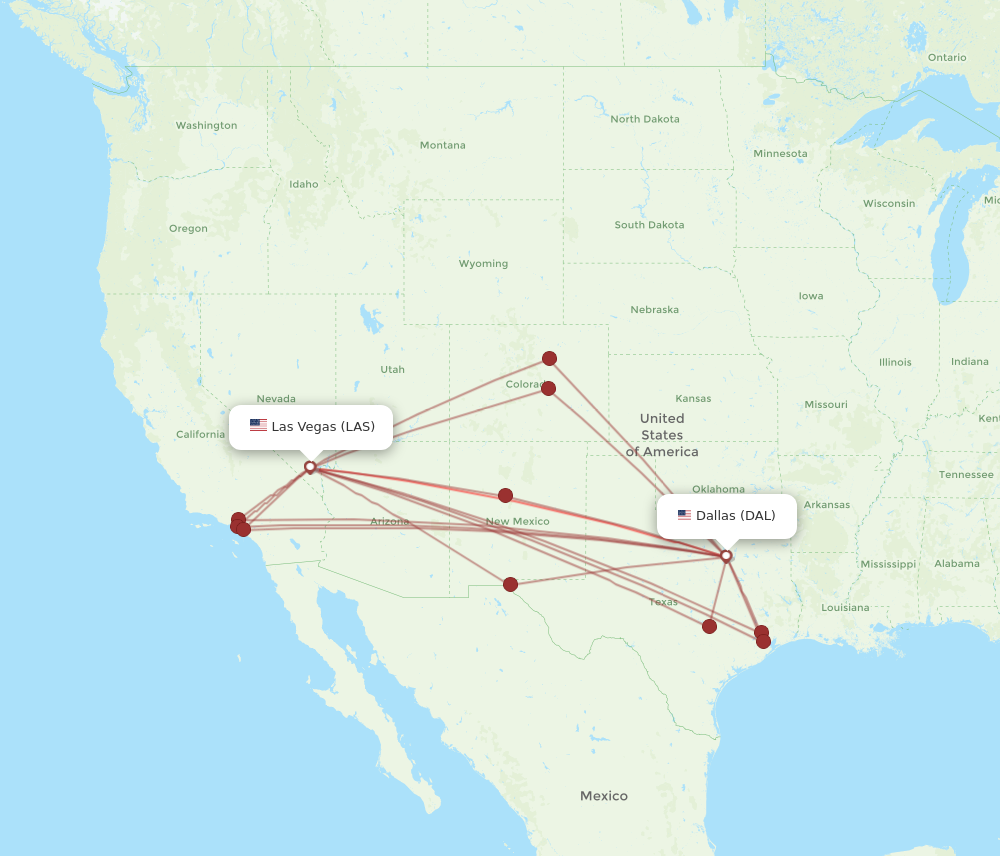
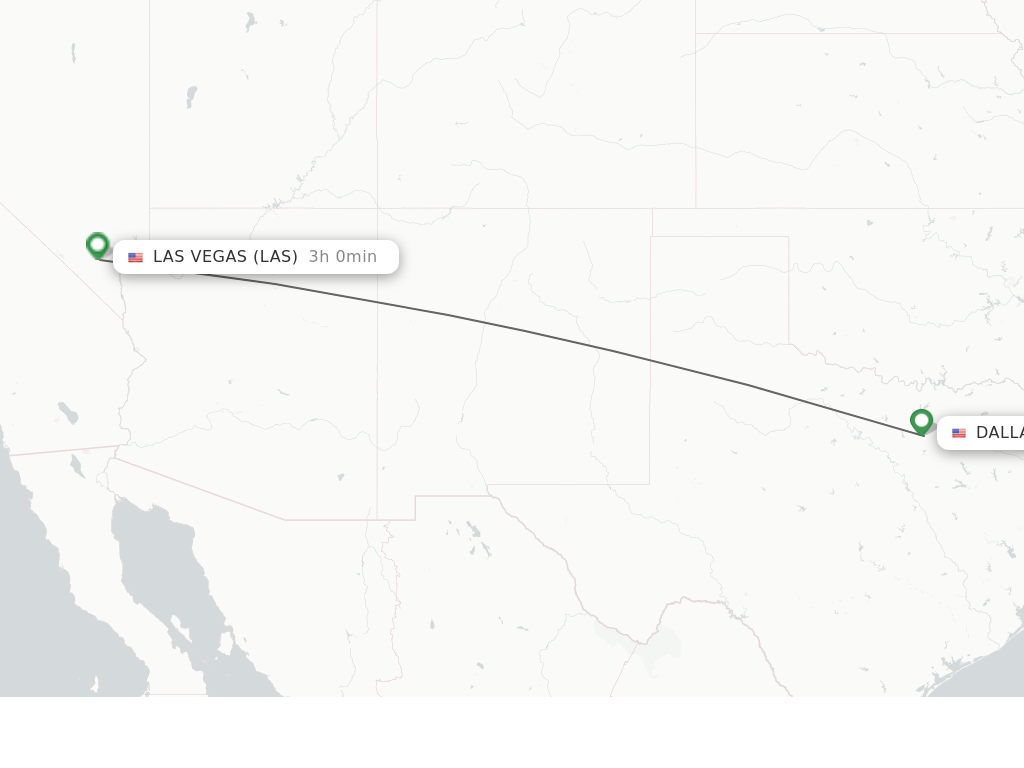
When you book a flight from Harry Reid International Airport to Dallas Fort Worth International Airport, you are looking at a direct distance of approximately 1,060 miles. On average, a non-stop flight takes between 2 hours and 45 minutes to 3 hours and 15 minutes.

Factors Influencing In-Air Duration
Several variables can cause slight fluctuations in your actual time spent in the air:
- Wind Patterns: The prevailing westerly winds can often shorten the duration of eastbound flights, while headwinds may add a few minutes to the trip.
- Flight Path: Air Traffic Control may adjust the flight path depending on congestion over major hubs, sometimes resulting in a longer or more direct route.
- Aircraft Type: While the speed difference between common commercial aircraft like the Boeing 737 or Airbus A320 is negligible for a flight of this length, taxi times and climbing speeds can vary.
Departure and Arrival Logistics
It is important to remember that the “flight time” displayed on your ticket is the gate-to-gate time, which includes taxiing on the runway. At Harry Reid International Airport, taxi times can be significant during peak departure hours. Similarly, Dallas Fort Worth International Airport is one of the largest and busiest airports in the world; therefore, the aircraft may spend a considerable amount of time taxiing to the gate after landing.
Navigating the Major Airline Carriers
Because the corridor between Nevada and Texas is highly traveled, passengers benefit from consistent, high-frequency service. Several major carriers offer non-stop routes, which helps keep competitive pricing and scheduling options readily available.
Choosing the Right Airline
- American Airlines: As Dallas Fort Worth International Airport serves as a primary global hub for American Airlines, this carrier offers the highest frequency of flights. You will find departures throughout the day, providing maximum flexibility for your schedule.
- Southwest Airlines: Known for its point-to-point service, Southwest Airlines operates numerous non-stop flights from Harry Reid International Airport to Dallas Love Field. For those traveling to the downtown or uptown areas of Dallas, Dallas Love Field is often much more convenient than the primary international hub.
- Spirit Airlines and Frontier Airlines: If you are seeking budget-friendly options, these carriers frequently service this route. Be mindful, however, that these airlines often operate on reduced schedules compared to the legacy carriers, so ensure your preferred departure times align with their offerings.
Time Zone Considerations
Travelers must account for the time zone shift during their journey. Las Vegas operates on Pacific Standard Time (PST), while Dallas operates on Central Standard Time (CST). You will “lose” two hours when flying east, meaning a flight departing at 10:00 AM in Nevada will land in Texas around 3:00 PM or 3:30 PM, depending on the flight duration. Always check your arrival time against the local time in Texas to avoid any confusion regarding hotel check-ins or pre-arranged transport.
Tips for a Smoother Travel Experience
Maximizing your efficiency during the journey requires more than just knowing the flight time. The experience at the airport often dictates whether the trip feels long or short.
Optimize Your Airport Arrival
Given the size of Harry Reid International Airport and the security checkpoints, arriving at least two hours before a domestic flight is the standard recommendation. During holidays or peak convention weeks in Las Vegas, you should consider adding an extra 30 minutes to your arrival window.
Baggage and Efficiency
If you are traveling for a quick trip, sticking to carry-on luggage can save you a significant amount of time upon arrival. At Dallas Fort Worth International Airport, baggage claim areas can be quite a walk from the arrival gates, and wait times for checked bags can vary. By carrying your own luggage, you can bypass the carousel and head directly to your rental car or ride-share pick-up point.
Selecting Your Seat
For a flight of approximately three hours, your seat selection can impact your comfort. If you are a light sleeper or prefer to work, a window seat provides a consistent surface to lean against and avoids the interruption of neighbors needing to exit. If you prefer more legroom or easier access to the aisle, especially on larger aircraft, choose an aisle seat toward the front of the cabin to expedite your exit upon landing.
Comparing Airport Options in Dallas
One of the most important decisions when traveling to Texas is choosing which airport you will fly into. While most travelers assume the primary international airport is the only option, Dallas is served by two major facilities that offer different experiences.
Dallas Fort Worth International Airport
As one of the busiest airports in the world, Dallas Fort Worth International Airport is located centrally between Dallas and Fort Worth. It offers extensive amenities, a vast array of dining options, and multiple lounges. This is the best choice if you are connecting to an international flight or if your final destination is in the northern suburbs.
Dallas Love Field
Dallas Love Field offers a more compact, user-friendly environment. Because it is located much closer to the downtown core, it is often the preferred choice for business travelers or those visiting local attractions like the Dallas Museum of Art or the Sixth Floor Museum at Dealey Plaza. The time saved in ground transportation from Dallas Love Field can often negate any slight difference in flight scheduling.
By understanding these nuances—from the actual duration of the flight to the strategic choice of arrival airport—you can turn a standard commute into a well-managed part of your travel itinerary. Whether you are traveling for the excitement of Las Vegas or the southern hospitality of Dallas, a little preparation goes a long way in ensuring your journey is as smooth as possible.
LifeOutOfTheBox is a participant in the Amazon Services LLC Associates Program, an affiliate advertising program designed to provide a means for sites to earn advertising fees by advertising and linking to Amazon.com. Amazon, the Amazon logo, AmazonSupply, and the AmazonSupply logo are trademarks of Amazon.com, Inc. or its affiliates. As an Amazon Associate we earn affiliate commissions from qualifying purchases.