
The arrival of the Formula 1 circuit to the neon-drenched streets of Las Vegas has redefined the concept of a modern sporting spectacle. When the grid lines up for the Las Vegas Grand Prix, drivers face a grueling 50-lap challenge that winds through the heart of the most famous tourist destination in the United States. This race, which demands high-speed precision and strategic tire management, transforms the world-famous Las Vegas Strip into a high-octane battleground.
The Engineering of the Las Vegas Street Circuit
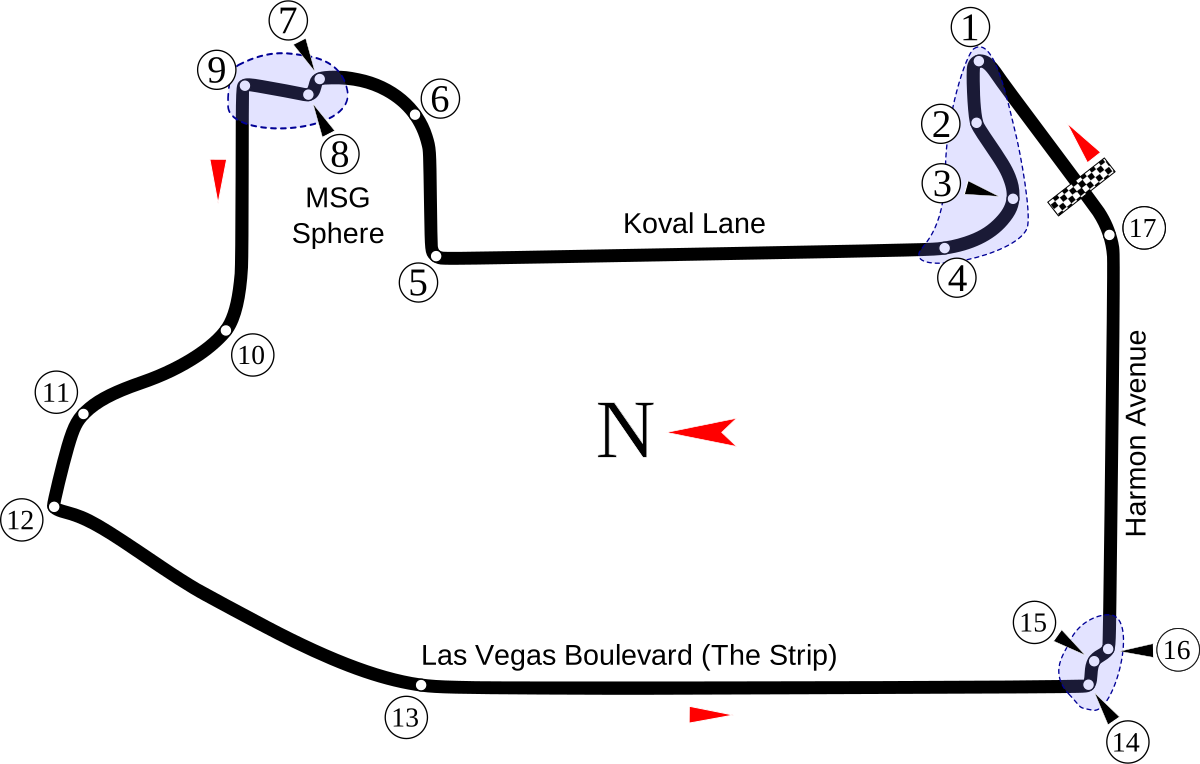
Understanding the sheer scale of this race requires looking beyond the number of laps. The track layout is a masterpiece of temporary urban engineering, utilizing iconic boulevards to create one of the fastest street circuits in history.
Track Dimensions and Speed
Spanning 3.853 miles, the circuit is designed to allow cars to reach blistering speeds, often exceeding 210 miles per hour. Because the race distance covers 50 laps, drivers are tasked with navigating nearly 200 miles of tarmac under the lights. The combination of long straights and tight, technical corners makes the Las Vegas Motor Speedway setup feel like a distant memory compared to the unique demands of this downtown course.
The Role of Night Racing
Unlike the traditional daytime events seen in places like Monaco or Silverstone, the Las Vegas event is held under the cover of darkness. This creates a visually stunning backdrop, but it also impacts tire temperature. The desert air cools rapidly at night, forcing teams to carefully calibrate how they handle the asphalt surface to ensure maximum grip throughout the duration of the 50-lap sprint.
Strategic Complexity of the 50-Lap Race
With 50 laps on the calendar, the Las Vegas Grand Prix is a game of patience, tire preservation, and high-stakes overtaking. Unlike shorter races, this distance allows for complex pit-stop strategies that can either make or break a podium finish.
Tire Degradation and Pit Stops
In Formula 1, the choice of rubber is paramount. On the cold, smooth streets of the Las Vegas Strip, getting heat into the tires is the primary challenge. Because the race spans 50 laps, most teams opt for a one or two-stop strategy. The timing of these stops is influenced by the potential for a Safety Car, which is a common occurrence on narrow street tracks where the walls are unforgiving and incidents can occur at any moment.

Overtaking Zones and Technical Challenges
The layout features some of the longest straights on the calendar, providing ample opportunities for DRS-assisted overtakes. However, the technical sections near The Venetian and Caesars Palace require finesse. Drivers must balance the aggressive speed needed for the straights with the precision braking required to navigate the slower, winding portions of the track. Managing the fuel load over 50 laps also dictates how aggressively a driver can push during the opening stint compared to the final sprint to the checkered flag.
The Cultural Impact on the Host City
Hosting a race of this magnitude in Nevada has changed the way tourists interact with the city. The track essentially loops around major landmarks, creating a symbiotic relationship between the sport and the local tourism economy.
Landmark Visibility
The route provides an unparalleled viewing experience, taking drivers past the Bellagio and its world-renowned fountains, and under the shadow of the Sphere. For spectators, the 50 laps offer constant action, as the proximity of the cars to the resorts provides an intimate view of the technology and intensity of the sport. The integration of iconic venues like MGM Grand and Wynn Las Vegas into the race atmosphere underscores why this location was chosen for such a premier event.
Economic and Tourism Considerations
The influx of fans from Europe, Asia, and across North America has turned the race weekend into one of the busiest times of the year for the hospitality industry. While the race itself lasts for 50 laps, the surrounding events, concerts, and parties extend the experience into a week-long festival. This has solidified Las Vegas as a global hub for both elite sports and high-end tourism, blending the thrill of the race with the luxury of the city’s world-class hotel offerings.
Preparing for the Spectacle
For those planning to attend the Las Vegas Grand Prix, understanding the race length is just the beginning. The logistical effort to transform the public streets into a professional-grade track is a feat of modern planning.
Viewing the Race
Whether you choose a grandstand seat or a luxury suite in a hotel like the Planet Hollywood, every spectator is guaranteed a view of the high-speed action. Because the race lasts 50 laps, there is enough time for the narrative of the race to shift multiple times. Fans are encouraged to follow the race via the official app to track the real-time sector times and strategic gaps that define these 50 grueling laps.

Tips for Attendees
- Plan Your Transport: Street closures are extensive. Utilize the Las Vegas Monorail or prepare for significant walking distances to reach your designated grandstand.
- Dress for the Weather: Even in Nevada, the night air during the November race window can be quite chilly. Layering is essential for comfort during the 50-lap duration.
- Explore Beyond the Track: Take advantage of the proximity to other attractions like the High Roller or the Fremont Street Experience during the daylight hours when the track is inactive.
The Las Vegas Grand Prix is more than just a race; it is a convergence of speed, technology, and entertainment. Across its 50 laps, it showcases the pinnacle of human achievement in motorsport, all set against the backdrop of the most vibrant city in the United States. As the sport continues to grow, this circuit stands as a testament to how traditional racing can thrive in the most unconventional and exciting environments.
LifeOutOfTheBox is a participant in the Amazon Services LLC Associates Program, an affiliate advertising program designed to provide a means for sites to earn advertising fees by advertising and linking to Amazon.com. Amazon, the Amazon logo, AmazonSupply, and the AmazonSupply logo are trademarks of Amazon.com, Inc. or its affiliates. As an Amazon Associate we earn affiliate commissions from qualifying purchases.