
Planning a trip to the entertainment capital of the world requires a strategic approach to budgeting, particularly when it comes to the primary expense of airfare. Understanding the fluctuating costs of reaching Las Vegas involves analyzing seasonal trends, carrier competition, and booking habits. Whether you are flying into Harry Reid International Airport for a weekend getaway or an extended business conference, the price of your ticket is dictated by a complex ecosystem of aviation economics.
The Seasonal Fluctuations of Airfare
The cost of air travel to Nevada is deeply cyclical. Unlike destinations that rely solely on climate, the price of a flight to this desert oasis is heavily influenced by the massive conventions, sporting events, and holiday weekends that define the city’s calendar.
Peak Season Pricing
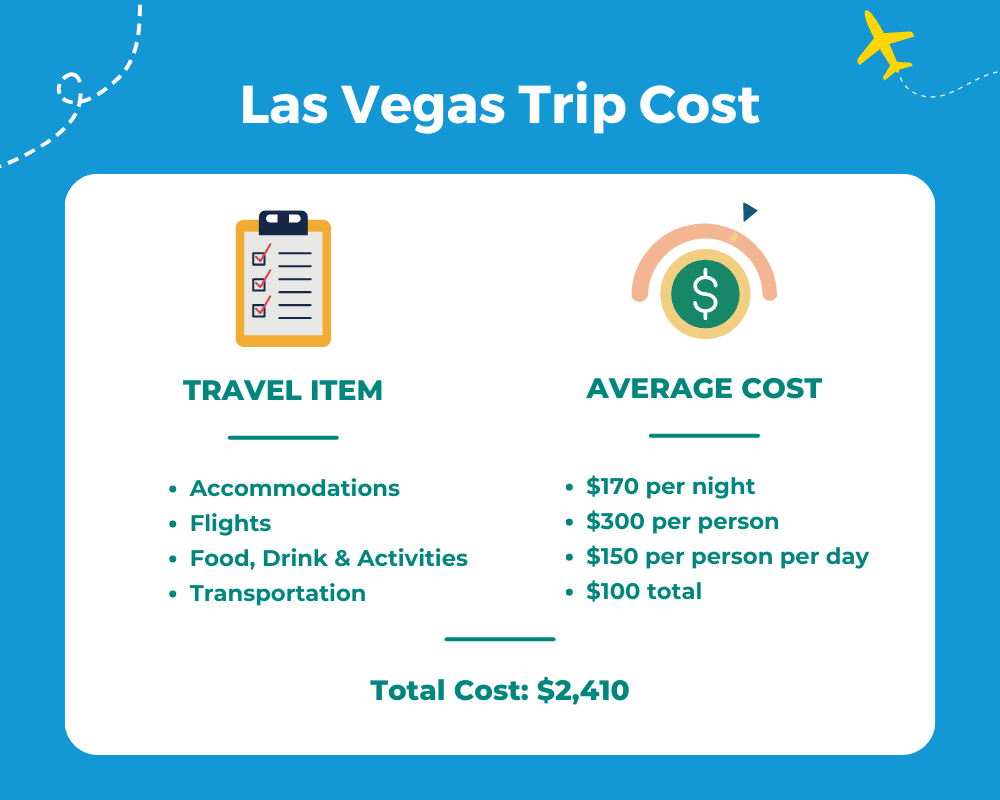
During major industry gatherings like the Consumer Electronics Show or holidays such as New Years Eve, flight prices can skyrocket. Airlines are acutely aware of the demand spikes surrounding these dates and adjust their inventory management systems accordingly. If your travel dates coincide with a high-profile fight night or a major music festival, you can expect to pay a premium. In these instances, the cost of a domestic round-trip ticket can double or even triple, sometimes exceeding $600 or $800 depending on your point of origin.
Shoulder and Off-Peak Seasons
Conversely, if you choose to visit during the “shoulder” periods—typically late spring or late autumn—you can often find significant discounts. Mid-week travel is also a critical factor. Flying on a Tuesday or Wednesday is historically cheaper than weekend departures because these days lack the leisure traveler demand that drives up prices on Fridays and Sundays. During these quieter months, budget-conscious travelers might find round-trip fares from major United States hubs for as little as $150 to $250.
Carrier Competition and Route Dynamics
The aviation market serving this destination is highly competitive, which generally works in favor of the consumer. Because the city is a premier global destination, it benefits from a high volume of direct flights, which keeps price floors relatively low compared to more obscure travel spots.
The Role of Low-Cost Carriers
Carriers such as Southwest Airlines, Spirit Airlines, and Frontier Airlines play a massive role in regulating market costs. These airlines often offer “unbundled” pricing models. While the base fare might appear attractively low, it is essential to calculate the total cost after adding baggage fees, seat assignments, and priority boarding. For a budget traveler, this remains the most effective way to manage total trip costs, but it requires diligent comparison shopping.

Legacy Carriers and Full-Service Options
Major carriers like Delta Air Lines, American Airlines, and United Airlines provide a different experience. While their base fares are often higher, they frequently include better reliability, superior amenity packages, and more flexible change policies. When calculating the cost of your flight, weigh the value of these perks against the sheer price of a discount carrier seat. For long-haul international flights coming from regions like Europe or Asia, these legacy carriers often provide the most viable routing options, though at a significantly higher price point ranging from $900 to over $1,500 depending on the season.
Strategies for Securing the Best Price
Securing a bargain flight to the neon-lit strip requires a mix of timing and technology. Pricing algorithms update in real-time, meaning the window of opportunity for a “deal” can disappear in minutes.
Advanced Booking vs. Last-Minute Deals
While the myth of the “last-minute super-deal” persists, it is largely outdated. For most travelers, the optimal booking window is between three weeks and three months in advance. Booking too far out can sometimes mean you are purchasing at the initial, higher price point before the airline has assessed demand. However, waiting until the final two weeks almost guarantees a surge in cost, as airlines reserve their final inventory for last-minute business travelers who are less price-sensitive.
Utilizing Fare Aggregators and Price Alerts
Modern digital tools have made it significantly easier to track volatility. Using tools that provide historical pricing charts allows you to see if the current price is “good” or “bad” relative to the yearly average. Setting price alerts is the most effective passive strategy; when a flight from your home airport drops in price, you receive an automated notification, allowing you to strike while the fare is low.
Regional Airport Considerations
If you are coming from California, consider the trade-offs of flying versus driving. While flying into the heart of the city is convenient, regional travelers often find that the combined cost of airport parking, checked bags, and the flight itself is more expensive than the fuel and wear-and-tear of a road trip. However, for those coming from the East Coast or the Midwest, air travel is the only practical solution, making your flight booking the most important variable in your overall budget.

Ancillary Costs That Impact the Bottom Line
The ticket price is rarely the final cost of air travel. Understanding hidden expenses is vital for an accurate budget.
- Baggage Fees: Many airlines charge for carry-ons now, not just checked bags. If you are staying at a place like the Caesars Palace and plan to attend formal events, you may need to pack more, which increases luggage fees.
- Transportation from the Airport: Once you land, the cost of getting to your hotel—whether by ride-share or taxi—should be factored into your “travel to [Las Vegas]” budget.
- Fuel Surcharges and Taxes: International travelers, in particular, should be aware of government taxes and carrier-imposed surcharges that are added at the final checkout screen.
Ultimately, the cost of flying is a reflection of your flexibility. By choosing to fly during off-peak times, utilizing low-cost carriers for domestic hops, and avoiding major convention dates, you can successfully navigate the market to ensure your vacation budget remains intact before you even step foot on the casino floor or take in a show at the Bellagio. Careful planning and a clear understanding of airline pricing structures allow you to move your funds away from airfare and toward the experiences that make a trip to Nevada so uniquely memorable.
LifeOutOfTheBox is a participant in the Amazon Services LLC Associates Program, an affiliate advertising program designed to provide a means for sites to earn advertising fees by advertising and linking to Amazon.com. Amazon, the Amazon logo, AmazonSupply, and the AmazonSupply logo are trademarks of Amazon.com, Inc. or its affiliates. As an Amazon Associate we earn affiliate commissions from qualifying purchases.