
Navigating the neon-lit streets of Las Vegas can be an exhilarating experience, but for many travelers, the logistics of ground transportation often feel like a gamble in their own right. Whether you are heading from the airport to a high-end suite on the Las Vegas Strip or hopping between iconic venues to catch a show, understanding how taxi pricing works is essential for keeping your travel budget intact. Unlike public buses or private car services, taxis in this desert oasis operate under a strictly regulated system that offers both convenience and a predictable cost structure.

Understanding the Fare Structure and Regulation
The taxi industry in Nevada is overseen by the Nevada Taxicab Authority, which ensures that all licensed cabs follow standardized pricing models. When you step into a taxi at Harry Reid International Airport, you aren’t just paying for the distance; you are paying for the convenience of immediate, on-demand transit.
The Metered Basics
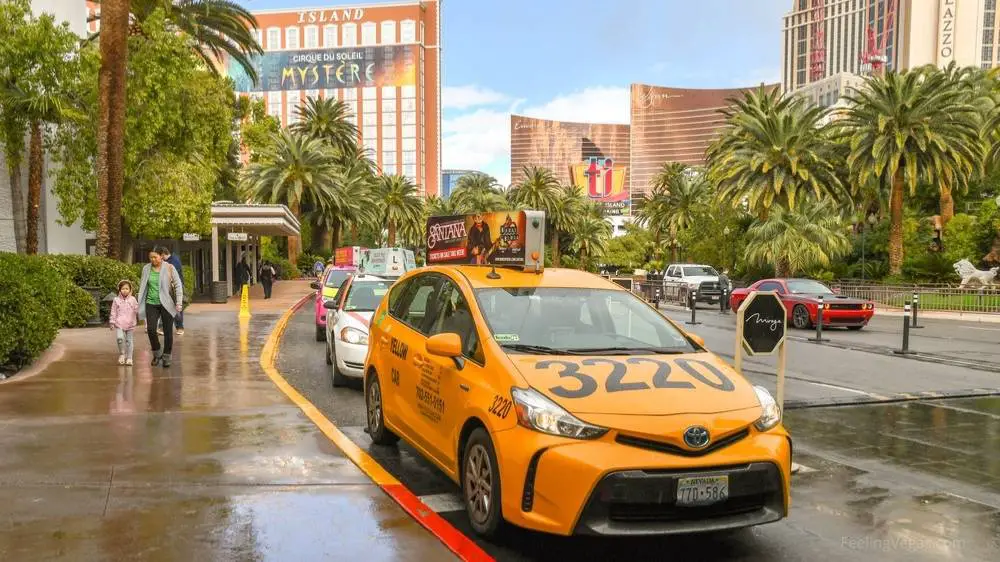
Every legal taxi in the city operates on a metered system. When you start your journey, the meter begins at an initial “drop” charge. As of the current regulations, this initial fee usually sits around $3.50 to $4.00. From there, the meter increments based on a combination of time and distance. If you are stuck in the infamous Las Vegas traffic—which is common near the Bellagio or Caesars Palace during peak evening hours—the meter will continue to climb even when the car is stationary.
Surcharges to Keep in Mind
Beyond the basic mileage rate, passengers should be aware of mandatory surcharges. A common addition to the final bill is the airport exit fee, which is often a flat charge of roughly $2.00 applied to all pickups at Harry Reid International Airport. Furthermore, if you choose to pay your fare via credit card, some taxi companies may impose a small processing fee. It is always wise to confirm the accepted payment methods before your ride begins to avoid any mid-trip surprises.
Estimating Costs for Popular Routes
While traffic conditions can cause fluctuations, most visitors find that taxi fares remain within a relatively consistent range for popular corridors. Understanding these estimates can help you decide whether a taxi, a rideshare app, or a walk is the most efficient choice for your specific trip.
Airport to the Strip
If you are traveling from the airport to a hotel located mid-Strip, such as The Venetian or Flamingo Las Vegas, you can generally expect a fare between $20 and $30. The distance is relatively short, but the volume of cars in the area can extend the duration of the trip, thereby increasing the final cost. Traveling to the northern end of the Strip, near the Stratosphere, will naturally cost more due to the increased mileage.
Downtown to the Strip
Travelers frequently move between the Las Vegas Strip and Fremont Street in Downtown Las Vegas. This transit route usually takes about 15 to 20 minutes depending on the time of day. You should anticipate a fare ranging from $30 to $45. Because this route involves traveling on major thoroughfares like Las Vegas Boulevard, traffic can play a significant role in the final price. If you are traveling during major events, such as conventions or boxing matches, allow for extra time and potential “peak” traffic delays.

Tips for a Seamless Taxi Experience
To ensure your ride is as smooth as the neon lights outside, keep a few local best practices in mind. These strategies not only save money but also contribute to a less stressful travel experience in one of the world’s most energetic cities.
Avoid the “Long Haul”
One of the most common concerns for visitors is the fear of “long hauling”—a practice where a driver takes a longer, more expensive route to inflate the fare. Fortunately, the Nevada Taxicab Authority has cracked down significantly on this. However, it is always helpful to have a general idea of your destination’s location. If you are going to MGM Grand from the airport, the standard route is straightforward. If you suspect your driver is taking an unusual path, don’t hesitate to politely ask them to stick to the most direct route.
Tipping Etiquette
In Las Vegas, tipping is a standard part of the service economy. For taxi drivers, a tip of 15% to 20% of the total fare is considered customary, especially if the driver assists with luggage or navigates through particularly heavy traffic efficiently. If the driver provides exceptional local advice or helps you bypass a particularly congested construction zone, increasing the tip is a kind gesture that is well-appreciated.
Payment Readiness
Always carry a small amount of cash in addition to your credit card. While most modern taxis are equipped with functional credit card terminals, technology can occasionally fail. Having cash ensures that you won’t be stranded at the entrance of Luxor Las Vegas or Wynn Las Vegas unable to pay your fare. Furthermore, ensure you receive a receipt at the end of your trip; it contains the taxi company’s contact information and the vehicle number, which are essential details if you accidentally leave personal belongings behind.
Alternative Transportation Considerations
While taxis remain a reliable pillar of Las Vegas transportation, they are not your only option. Depending on your needs, you might find that other modes of transit offer better value.
Ridesharing vs. Taxis
Rideshare services like Uber and Lyft are prevalent throughout Nevada. They often feature transparent upfront pricing, which can be beneficial for travelers who prefer to know exactly what they will pay before they get into the vehicle. However, during periods of “surge pricing”—often occurring after major concerts at T-Mobile Arena or large trade shows—the cost of a rideshare can significantly exceed that of a standard taxi.
The Monorail and Walking
For those staying at major resorts like Harrah’s Las Vegas or Planet Hollywood, the Las Vegas Monorail offers an efficient way to bypass street-level traffic entirely. While it doesn’t take you door-to-door like a taxi, it connects several major hubs along the east side of the Strip. Similarly, walking is highly recommended for short distances between adjacent properties. The Las Vegas Strip is designed with pedestrian bridges that make crossing the busy boulevards safe, allowing you to enjoy the sights without the added cost of a vehicle fare.
Ultimately, a taxi ride in Las Vegas remains one of the most accessible ways to traverse the city. By understanding the metered fare system, keeping an eye on your route, and staying informed about local traffic patterns, you can navigate the city with confidence and focus your energy on enjoying the world-class entertainment, dining, and luxury that make this city an incomparable destination. Whether you are arriving for a quick weekend getaway or a long-term business stay, the reliable taxi fleet of Las Vegas stands ready to get you to your next adventure in comfort.
LifeOutOfTheBox is a participant in the Amazon Services LLC Associates Program, an affiliate advertising program designed to provide a means for sites to earn advertising fees by advertising and linking to Amazon.com. Amazon, the Amazon logo, AmazonSupply, and the AmazonSupply logo are trademarks of Amazon.com, Inc. or its affiliates. As an Amazon Associate we earn affiliate commissions from qualifying purchases.