
Planning a trip to the neon-soaked heart of the Mojave Desert requires more than just booking a room and packing a swimsuit; it requires a deep understanding of the unique meteorological patterns that define Las Vegas. As a desert destination, the city experiences extreme temperature fluctuations that can significantly impact how you experience everything from a walk down the Las Vegas Strip to an afternoon excursion at Red Rock Canyon. Understanding the current temperature is essential for curating your daily itinerary.
The Seasonal Rhythm of the Desert
The climate in Nevada is defined by its arid nature. When asking how warm it is, one must consider the time of year, as the city experiences dramatic shifts between seasons.
Summer Intensity
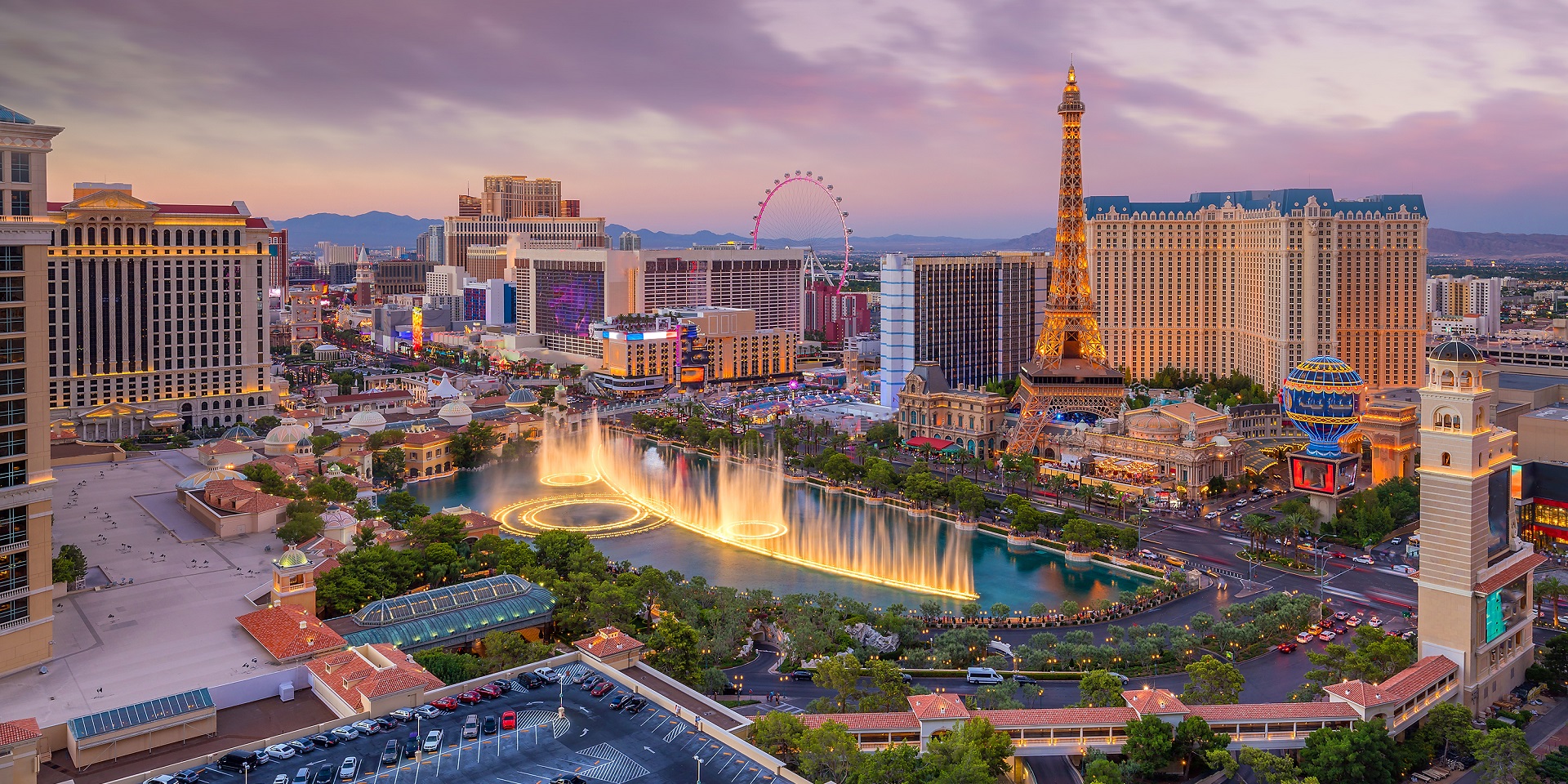
During the peak summer months of June through August, temperatures frequently soar well above 100°F (38°C). This is the time when the heat is a tangible force. Visitors often find that outdoor activities are best scheduled for the early morning or after sunset. If you are planning to visit the Fountains of Bellagio or take a stroll through the LINQ Promenade, mid-day sun can be overwhelming. The dry heat makes the temperature feel intense, often causing rapid dehydration even if you do not feel sweaty.
Shoulder Season Comfort
Spring and autumn are widely considered the “sweet spot” for travel. During these months, the daytime temperatures typically hover in the comfortable 70s and 80s (21–29°C), while evenings bring a crisp, refreshing coolness. This is the ideal time to explore the High Roller Observation Wheel or take a day trip to the Hoover Dam without the physical strain of extreme heat.
Winter Chills
Winter in the desert is deceptive. While the sun often shines bright during the day, the lack of humidity causes the temperature to plummet once the sun dips below the horizon. Visitors expecting a tropical getaway may find themselves reaching for heavy jackets as nighttime temperatures can dip toward freezing.
Navigating the Heat: Tips for Every Traveler
Regardless of what the thermometer says, the environment demands respect. Staying comfortable requires a strategic approach to your daily schedule and personal habits.
Master the Mid-Day Shift
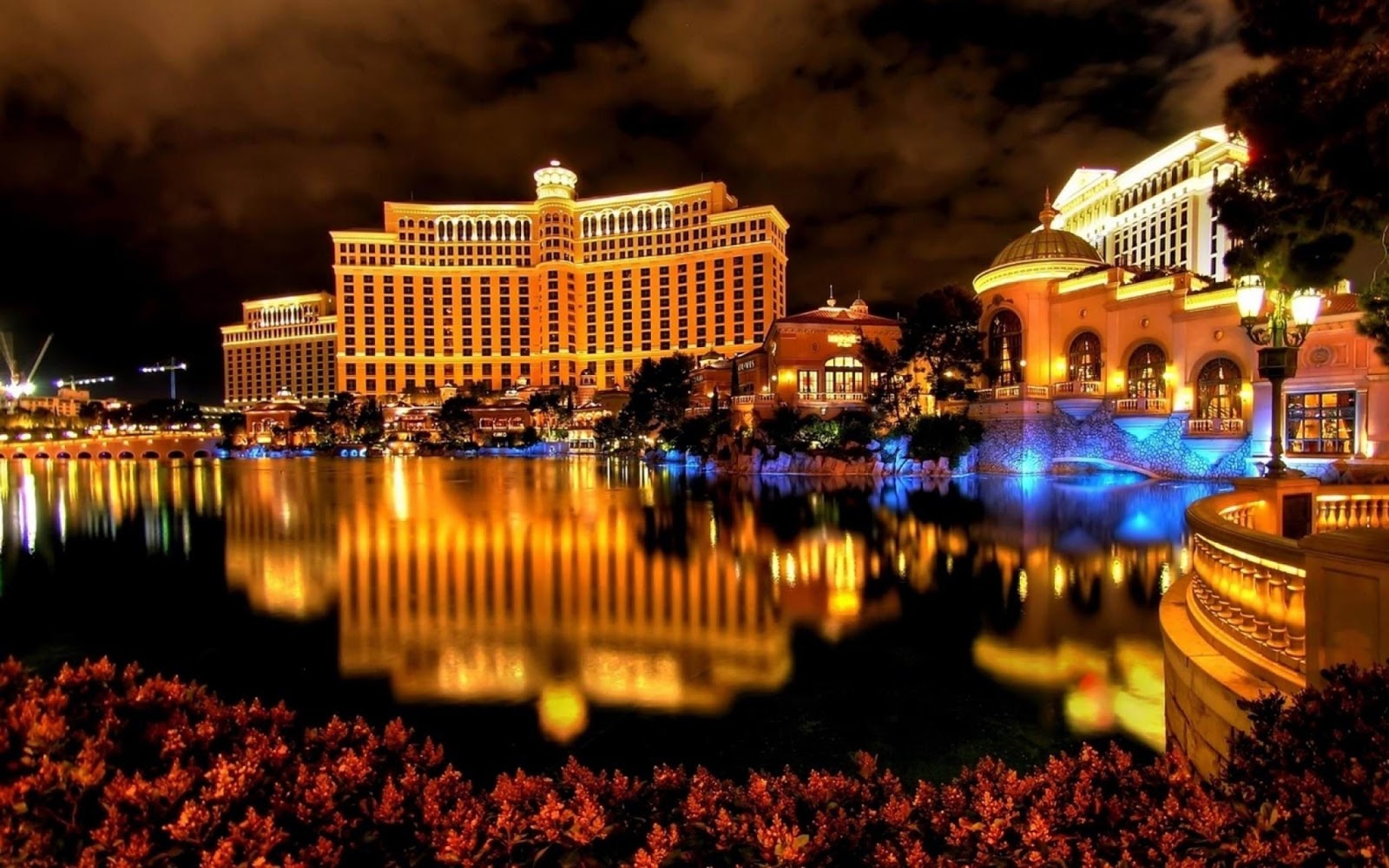
The most professional approach to a Las Vegas vacation is the “split-day” strategy. Spend the hottest hours of the day—typically between 1:00 PM and 5:00 PM—indoors. The city’s infrastructure is built for this; massive resorts like the Caesars Palace or the Venetian Resort offer expansive climate-controlled environments where you can dine, shop, and sightsee for hours without ever feeling a breeze of hot air.
Hydration and Sun Protection
Because the air in the Nevada desert is incredibly dry, your body loses moisture much faster than in more humid climates. Even if you are just walking from your ride into the MGM Grand, you are losing hydration.
- Carry Water: Always have a bottle on hand, especially if you are walking the Las Vegas Strip.
- Sunscreen Application: The UV index remains high even on cloudy days. Protect your skin when visiting outdoor landmarks like the Neon Museum.
- Clothing Choices: Opt for loose-fitting, light-colored fabrics that allow for airflow. While the city is known for high fashion, prioritize your physical comfort during the scorching daylight hours.
Planning Your Itinerary Around the Temperature
Your choice of activities should be guided by the weather forecast for the specific week of your visit. A well-planned itinerary accounts for the thermal realities of the Mojave Desert.
Outdoor Adventures vs. Indoor Luxury
If the forecast indicates a heatwave, pivot your plans toward the city’s incredible indoor offerings. Visit the Shark Reef Aquarium at Mandalay Bay or explore the exquisite art galleries located within the Wynn Las Vegas. If the weather is mild, it is the perfect time to visit the Valley of Fire State Park or walk the grounds of the Mob Museum in Downtown Las Vegas.
Evening Opportunities
Regardless of the daytime temperature, the evenings in Las Vegas are almost always pleasant. Once the desert floor cools, the city transforms into a playground. Whether you are enjoying a dinner at the Stratosphere Tower or watching a show at the Park MGM, nighttime is when the city truly comes alive without the burden of intense solar radiation.
Understanding the Microclimates
It is important to note that the temperature on the Las Vegas Strip can feel different than in the surrounding valley. The “Urban Heat Island” effect is very real in this city. The vast expanse of concrete, asphalt, and glass absorbs heat during the day and radiates it back out at night.
The Concrete Effect
When you are standing in the middle of a parking lot or on the pavement between Luxor Hotel and Excalibur Hotel, you are feeling both the direct heat of the sun and the reflected heat from the ground. This can make the ambient temperature feel 5 to 10 degrees higher than what is reported by your weather app.

Seeking Shade and Oasis
When planning your outdoor movements, look for “cool paths.” Many of the major resort corridors, such as the bridges connecting Planet Hollywood to the Paris Las Vegas, provide overhead coverage or climate-controlled walkways. Utilizing these paths can make a massive difference in your comfort levels during the peak heat of the day.
Ultimately, whether you are visiting in the dead of summer or the middle of winter, Las Vegas is a city designed to be enjoyed year-round. By staying informed about the current temperature and planning your activities to align with the rhythms of the desert, you can ensure that your visit to Nevada is both comfortable and memorable. Whether you are seeking the thrill of a desert hike at Red Rock Canyon or the indoor luxury of a top-tier resort, the key is to match your pace to the temperature of the day.
LifeOutOfTheBox is a participant in the Amazon Services LLC Associates Program, an affiliate advertising program designed to provide a means for sites to earn advertising fees by advertising and linking to Amazon.com. Amazon, the Amazon logo, AmazonSupply, and the AmazonSupply logo are trademarks of Amazon.com, Inc. or its affiliates. As an Amazon Associate we earn affiliate commissions from qualifying purchases.