
Planning a trip to Las Vegas often involves meticulous coordination of show tickets, dinner reservations, and pool deck lounging. Because this desert oasis is synonymous with relentless sunshine, many travelers overlook the possibility of precipitation. However, weather in the Mojave Desert can be fickle. Understanding the climate patterns of this iconic destination is essential for ensuring your itinerary—whether it involves golfing at Bali Hai Golf Club or strolling the Las Vegas Strip—remains undisturbed by the occasional cloudburst.
Understanding the Desert Climate and Precipitation Patterns
While Nevada is widely recognized for its arid conditions, the perception that it never rains is a common misconception. The region experiences a distinct climate characterized by hot summers and cool winters, with rainfall typically arriving in concentrated, short-lived bursts.

The Role of the Monsoon Season
During the late summer months, specifically July through September, the southwestern United States is often affected by the North American Monsoon. This weather phenomenon brings moisture from the Gulf of California and the Gulf of Mexico, leading to increased humidity and the potential for sudden thunderstorms. These storms are frequently intense but brief, often localized over specific areas like the Red Rock Canyon National Conservation Area.
Winter Rains in the Valley
Outside of the summer monsoon season, the primary source of precipitation in Las Vegas comes from winter frontal systems moving in from the Pacific Ocean. While these events are rarely torrential, they can lead to overcast skies and steady, light rainfall that persists for several hours. Unlike the explosive nature of summer storms, winter rain is more predictable and generally less disruptive to indoor attractions.
Adapting Your Itinerary for Rainy Conditions
If the forecast indicates rain, your plans in Las Vegas do not need to be canceled; they simply require adjustment. Because the city is designed to accommodate millions of visitors year-round, there is an abundance of world-class infrastructure that functions perfectly regardless of the weather.

Indoor Attractions and Entertainment
When the skies darken, it is the perfect time to explore the city’s vast collection of indoor wonders. The The Venetian Las Vegas offers an expansive indoor shopping experience along the Grand Canal Shoppes, where you can enjoy gondola rides sheltered from the elements. Similarly, the Forum Shops at Caesars at Caesars Palace provide a luxurious climate-controlled environment that feels miles away from the desert storms outside.
For those interested in culture, the The Mob Museum in Downtown Las Vegas offers hours of immersive history. Alternatively, you can catch a world-renowned residency performance or a Cirque du Soleil show at one of the major resorts, such as MGM Grand or Bellagio, where the atmosphere is always vibrant and dry.
Dining and Relaxation
Rainy days provide the perfect excuse to indulge in the city’s culinary scene. Whether you are seeking a high-end dining experience at Wynn Las Vegas or an intimate lounge atmosphere at The Cosmopolitan of Las Vegas, the city’s interior spaces are world-class. You might also consider booking a spa treatment at Encore at Wynn Las Vegas, allowing you to relax while listening to the rhythmic sound of rain against the windows—a rarity in this part of the world.
Why Rain Doesn’t Ruin the Las Vegas Experience
It is important to remember that rainfall in the Mojave Desert is statistically infrequent. On average, the city receives fewer than five inches of rain annually. When it does rain, it often clears as quickly as it arrived, leaving behind a crisp, refreshed atmosphere and occasionally spectacular double rainbows over the Valley of Fire State Park.
The Beauty of a Desert Storm
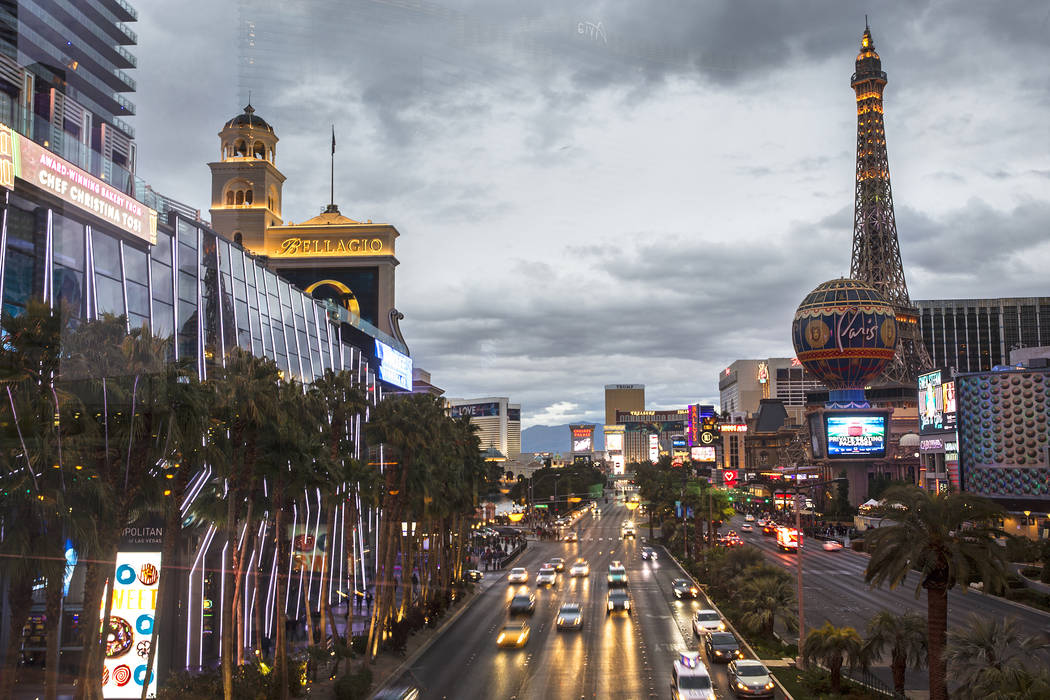
There is a unique aesthetic to watching a storm roll over the Spring Mountains. The contrast between the dark, dramatic clouds and the neon glow of the city skyline creates excellent photo opportunities. Visitors often find that the crowds thin out during periods of inclement weather, making it an ideal time to navigate popular landmarks like the Fountains of Bellagio with a bit more breathing room.
Practical Tips for the Prepared Traveler
If you are visiting during the wetter months of December, January, or February, it is wise to pack a light, water-resistant jacket. Furthermore, keep an eye on the official meteorological reports provided by local news outlets covering Clark County. Checking the forecast in the morning will provide ample time to shift your outdoor reservations—such as a visit to the High Roller Observation Wheel—to a different time of day or later in your trip.
Ultimately, rain in Las Vegas is a temporary guest. It serves as a gentle reminder of the natural environment surrounding the glitz and glamour of the Las Vegas Valley. Whether you are visiting for the nightlife, the architecture, or the high-stakes entertainment, the city is resilient and well-equipped to ensure your vacation remains a success. Do not let the prospect of a few raindrops deter you; in many ways, experiencing the desert under a veil of clouds is just another part of the unique Nevada story. With a bit of flexibility and the right mindset, you will find that the city remains the ultimate playground, rain or shine.
LifeOutOfTheBox is a participant in the Amazon Services LLC Associates Program, an affiliate advertising program designed to provide a means for sites to earn advertising fees by advertising and linking to Amazon.com. Amazon, the Amazon logo, AmazonSupply, and the AmazonSupply logo are trademarks of Amazon.com, Inc. or its affiliates. As an Amazon Associate we earn affiliate commissions from qualifying purchases.