
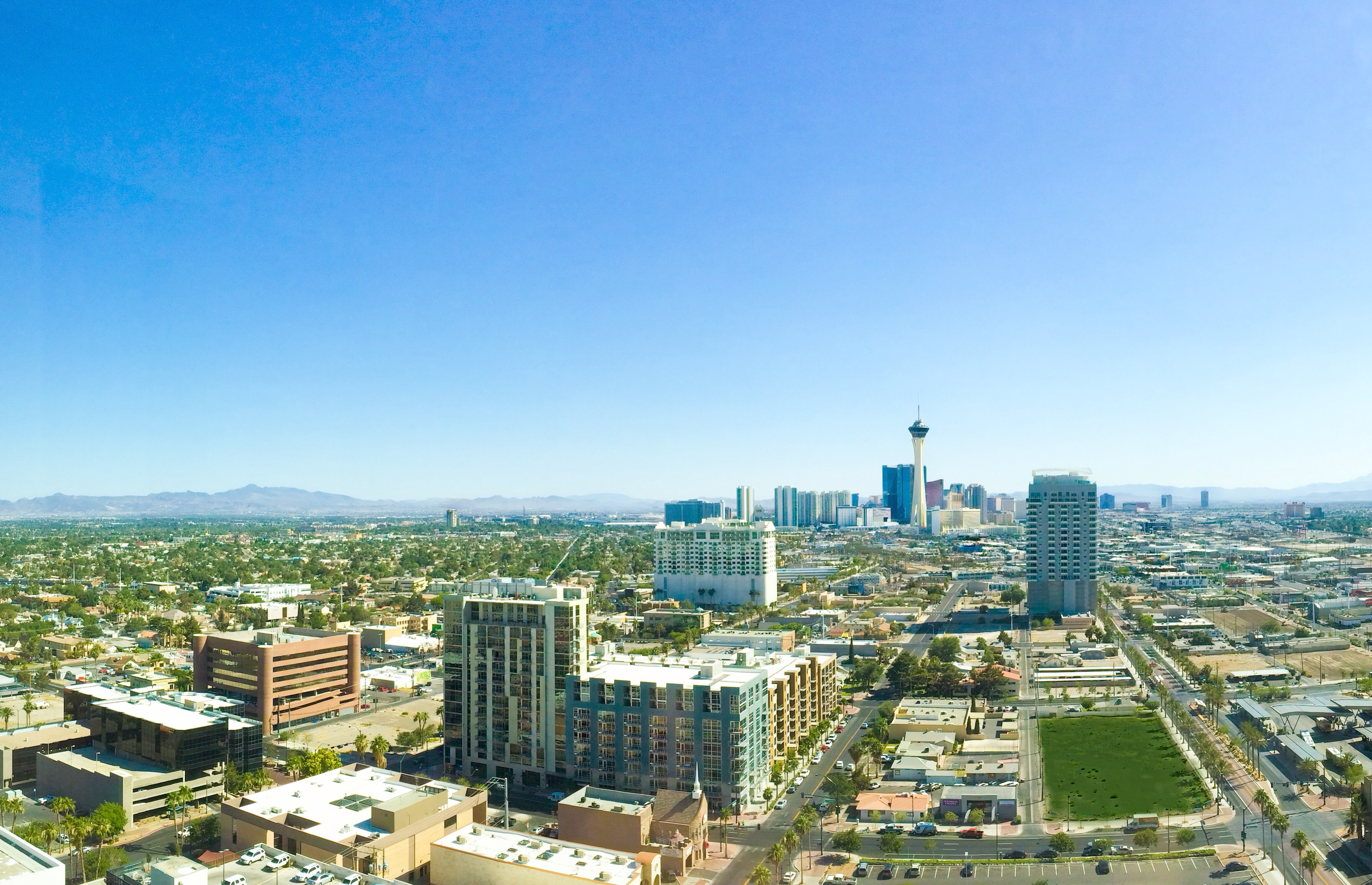
The question of whether Las Vegas operates on Pacific Standard Time—or PST—is one of the most frequent queries from international travelers and domestic visitors planning their first trip to the entertainment capital of the world. Situated in the southern tip of the Nevada desert, this neon-drenched oasis follows the standard time zone conventions of the western United States.
To understand the rhythm of this city, it is essential to grasp how the Pacific Time Zone functions throughout the year. While the clocks in California and Oregon align perfectly with those on the Las Vegas Strip, there is a nuanced shift between Standard Time and Daylight Saving Time that every traveler should keep in mind to avoid missing flight departures or dinner reservations at world-class establishments like The Venetian.
The Mechanics of Pacific Time in Nevada
Nevada is firmly rooted in the Pacific Time Zone. For the majority of the year, this means the city operates on Pacific Daylight Time (PDT) during the summer months and transitions to Pacific Standard Time (PST) during the winter.
The Daylight Saving Shift
For those arriving from regions that do not observe Daylight Saving Time, the transition can be slightly confusing. The United States observes the shift on the second Sunday of March and the first Sunday of November. When the clocks “spring forward,” Las Vegas aligns with PDT, which is UTC-7. Conversely, when the clocks “fall back,” the city reverts to PST, which is UTC-8.
Coordinating with West Coast Neighbors
Because the time zone is shared with major hubs like Los Angeles, travelers moving between these cities never have to worry about adjusting their watches. If it is high noon on the Santa Monica Pier, it is also high noon at the Bellagio fountain. This synchronization facilitates seamless travel logistics for those engaging in a multi-state excursion across the American West.
Managing Your Schedule in a 24-Hour City
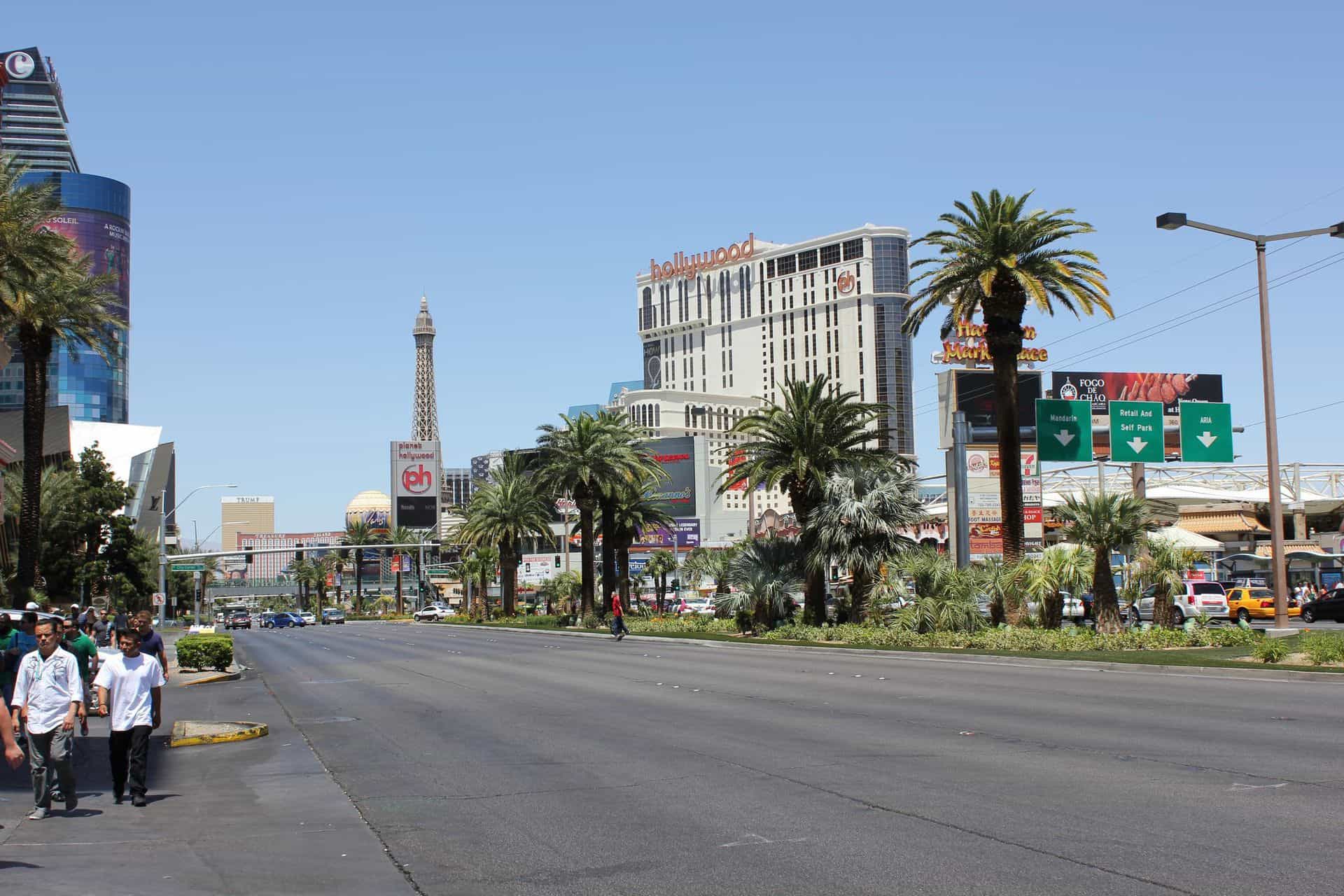
While the technical time zone is straightforward, Las Vegas is infamous for being a city where time seems to lose all meaning. The architectural design of major resorts like Caesars Palace intentionally omits clocks and windows on the gaming floors, a strategy designed to keep guests immersed in the experience regardless of the hour.
The Illusion of Timelessness
When you walk through the MGM Grand, the ambient lighting and constant activity can make it difficult to determine if it is morning or midnight. Visitors often find that their internal clocks drift away from Pacific Standard Time as they adapt to the city’s unique, nocturnal pulse. Staying cognizant of the actual time is crucial for those hoping to catch a show at The Colosseum or navigate the busy shuttle schedules between Fremont Street and the main boulevard.
Practical Tips for Time Tracking
To stay organized while enjoying the nightlife of Downtown Las Vegas, consider these strategies:
- Use Digital Syncing: Ensure your mobile device is set to “Automatic Time Zone” so it updates based on your location.
- Check Flight Times: Always verify your departure time from Harry Reid International Airport in your local time zone to avoid any confusion during your return trip.
- Resort Notifications: If you are staying at a property like Wynn Las Vegas, the concierge can provide printed itineraries that clearly state the time of your bookings in the local Pacific time.
Regional Variations and Exceptions
While the entire state of Nevada generally adheres to Pacific Time, it is important for road trippers to note that geography can occasionally introduce surprises.
Traveling to Nearby States
If you are planning to travel from Las Vegas toward Arizona, you will encounter a time zone shift. Arizona does not observe Daylight Saving Time (with the exception of the Navajo Nation). During the summer months, Arizona is on the same time as Mountain Standard Time, meaning they are effectively one hour ahead of Las Vegas.
This is particularly relevant for tourists planning day trips to the Grand Canyon or Hoover Dam. Crossing the state border can lead to a sudden hour change that often catches unsuspecting drivers off guard.
Keeping Your Appointments
If you have booked tours, helicopter flights, or dinners at high-end venues like The Cosmopolitan of Las Vegas, always check whether the tour operator bases their scheduling on the local time of the departure point or the destination. Maintaining a clear understanding of your current time zone ensures that your travel experience—whether it is a luxury vacation or a quick business getaway—remains stress-free and aligned with the city’s pace.

Why the Time Zone Matters for Your Itinerary
Understanding that you are operating in Pacific Time—whether that is PST or PDT—is the backbone of a successful trip. Las Vegas is a city designed to distract, entertain, and delight, but your ability to navigate it effectively depends on your mastery of the clock.
Whether you are enjoying a brunch at a Paris Las Vegas bistro, watching the sunset from the High Roller, or checking out of your suite at The Mirage, knowing your local time is the difference between a seamless departure and a frantic rush to the terminal. By respecting the Pacific Time Zone, you can fully embrace the unique energy of this desert metropolis, ensuring you don’t miss a single moment of the action. Regardless of the season, the city remains constant in its time zone, providing a reliable framework for travelers from across the globe to enjoy everything from the Shark Reef Aquarium to the vibrant nightlife of the Linq Promenade.
LifeOutOfTheBox is a participant in the Amazon Services LLC Associates Program, an affiliate advertising program designed to provide a means for sites to earn advertising fees by advertising and linking to Amazon.com. Amazon, the Amazon logo, AmazonSupply, and the AmazonSupply logo are trademarks of Amazon.com, Inc. or its affiliates. As an Amazon Associate we earn affiliate commissions from qualifying purchases.