
When visitors descend upon the shimmering neon oasis of Las Vegas, their eyes are typically drawn to the towering marquees of the MGM Grand or the dancing waters of the Bellagio. Yet, beyond the manicured gardens of the Wynn Las Vegas and the rugged outskirts of Red Rock Canyon, a resilient community of reptiles thrives in the shadows of Nevada. Understanding the dietary habits of these desert inhabitants provides a fascinating glimpse into the fragile, complex ecosystem of the Mojave Desert.
The Opportunistic Hunters of the Desert Scrub
The arid landscape surrounding Paradise is home to several species, most notably the common side-blotched lizard and the iconic desert iguana. These creatures have evolved highly specialized dietary strategies to survive the intense heat and scarce resources of the American Southwest.

Insectivores and Generalist Feeders
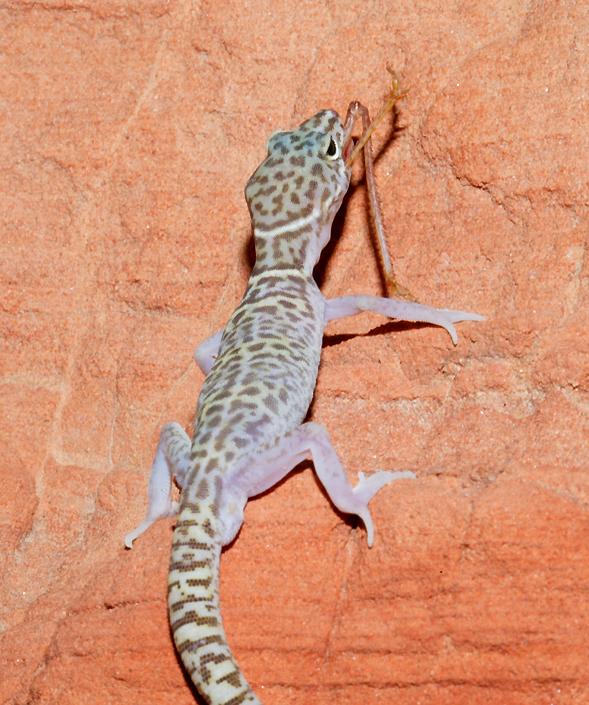
The vast majority of lizards found within the Clark County region are insectivores. They serve as a critical check on insect populations, consuming a wide variety of ants, beetles, flies, and spiders. By acting as primary predators for small arthropods, these lizards ensure that the local vegetation around landmarks like Mount Charleston is not overrun by pests.
They are largely opportunistic hunters. A side-blotched lizard will wait motionless on a sun-drenched rock, mimicking a stone, until a cricket or beetle wanders within striking distance. This “sit-and-wait” strategy conserves precious metabolic energy, a necessity when surface temperatures in the Valley of Fire State Park can exceed 120 degrees Fahrenheit.
The Herbivorous Desert Iguana
While many lizards in the area hunt, others have evolved to consume plant material almost exclusively. The desert iguana is the most prominent herbivore of the region. These lizards possess a specialized digestive system that allows them to process the tough, fibrous leaves of desert shrubs such as the creosote bush.
During the spring, when the desert floor near the Spring Mountains blooms, these iguanas feast on yellow flowers, fresh buds, and even the seeds of desert annuals. This diet provides the necessary hydration to survive the dry summer months when water sources are virtually nonexistent.
Seasonal Fluctuations in Diet
The diet of a Las Vegas lizard is never static. It is dictated entirely by the pulses of rain and temperature shifts that define the North American desert.
Spring Abundance
Spring is a time of gluttony for the reptilian population. With the arrival of winter rains, the desert experiences a flush of growth. For the lizard, this means an abundance of both protein and carbohydrates. Predators like the collared lizard—known for its vibrant colors often spotted near the Hoover Dam—will hunt larger prey during this window, including smaller lizards, taking advantage of the high-energy needs of the breeding season.
Summer Scarcity and Survival
As the heat settles over Southern Nevada, the availability of insects drops. Lizards must switch to more drought-resistant food sources. Some species will consume dry plant matter or increase their intake of carrion if available. This is a period of “estivation,” where many lizards reduce their activity levels significantly, hiding deep within crevices in the rocks of Lake Mead to avoid burning through their limited energy reserves.
The Human Impact on Lizard Foraging
Urban expansion from the Las Vegas Strip toward the Black Mountains has altered the natural environment in ways that have forced local wildlife to adapt.
Anthropogenic Food Sources
In areas closer to residential developments or golf courses like those at the Shadow Creek Golf Course, lizards have occasionally been observed interacting with human-related food waste. While they are not scavengers in the traditional sense, they are attracted to the concentrated insect populations that gather around outdoor dining areas and irrigated lawns. These artificial oases act as magnets for beetles and gnats, creating a “buffet” for lizards that might otherwise struggle to find food in the raw desert.
Challenges to Traditional Diets
However, this proximity to humanity comes with risks. Introduced ornamental plants, while providing cover, do not always offer the same nutritional value as native flora like the Joshua tree or desert marigold. Furthermore, pesticides used in landscaping can decimate the insect populations that form the backbone of the lizard’s food web. Protecting the native vegetation in areas like the Sloan Canyon National Conservation Area is vital for ensuring that these reptiles continue to fulfill their natural roles within the environment.
Why Lizard Diets Matter for the Desert Ecosystem
The survival of lizards is a direct indicator of the health of the Mojave Desert. They sit at a crucial middle tier of the food chain. They are small enough to be preyed upon by desert raptors, roadrunners, and snakes, yet they are large enough to be dominant predators for insects.
The Balancing Act
If the dietary needs of these lizards are met, the entire ecosystem remains in balance. By consuming vast quantities of insects, they prevent over-predation on native grasses and shrubs. Conversely, by serving as a primary protein source for birds of prey found in the Desert National Wildlife Refuge, they facilitate the energy flow that supports higher-level carnivores.

Conservation in the Face of Climate Change
As Nevada faces rising temperatures, the window for effective foraging becomes narrower. Conservationists studying the lizards in the Mojave are concerned that if the heat remains at extreme levels for too long, these animals will not have enough time to consume the calories required for their long winter hibernation. Their diet is, quite literally, their lifeline.
For the casual tourist exploring the outskirts of Las Vegas, spotting a lizard skittering across a rock is a common experience. Whether it is a small whiptail darting through the brush or a desert iguana basking near the Red Rock Canyon visitor center, these animals are silent, hardworking inhabitants of the desert. They eat to survive, maintaining a delicate, ancient rhythm in a land better known for its fleeting, artificial lights. By respecting their habitats and maintaining the integrity of the natural desert scrub, we ensure that these small, scaly wonders continue to thrive long after the city lights fade at dawn.
LifeOutOfTheBox is a participant in the Amazon Services LLC Associates Program, an affiliate advertising program designed to provide a means for sites to earn advertising fees by advertising and linking to Amazon.com. Amazon, the Amazon logo, AmazonSupply, and the AmazonSupply logo are trademarks of Amazon.com, Inc. or its affiliates. As an Amazon Associate we earn affiliate commissions from qualifying purchases.