
The shimmering desert metropolis of Las Vegas, Nevada, is defined by more than just its neon lights and high-stakes gaming floors. For travelers and geography enthusiasts alike, understanding the physical setting of this world-renowned city provides a deeper appreciation for the environment that hosts millions of visitors annually. When asking “What is the elevation of Las Vegas, NV?”, the answer is not a single point, but a range that reflects the rugged, undulating terrain of the Mojave Desert.
Understanding the Topography of the Las Vegas Valley
The Las Vegas Valley is a massive structural basin situated in the southern tip of Nevada. Because the city sprawls across this basin and creeps up toward the surrounding mountain ranges, the elevation varies significantly depending on your specific location within the metropolitan area.
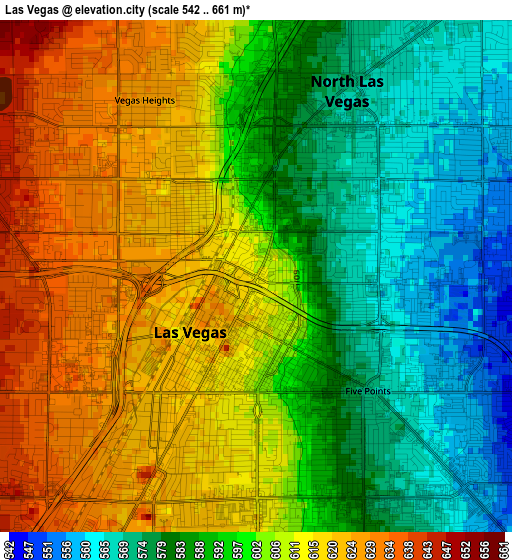
Average Elevation Data
On average, the city of Las Vegas sits at approximately 2,000 feet (610 meters) above sea level. This elevation is measured largely at the city center, which encompasses the famous Las Vegas Strip and the historic Downtown Las Vegas. However, this number is a generalization. As you move from the valley floor toward the outskirts, the landscape begins to climb steeply, creating a dramatic disparity in altitudes within a relatively short driving distance.
The Basin Effect
The geography of the area is characterized by the basin itself, which acts as a catchment for the surrounding mountain ranges, including the Spring Mountains to the west and the Sheep Range to the north. These mountainous borders create a unique microclimate. The lower elevation of the valley floor contributes to the intense, dry heat experienced during the summer months, while the higher elevations of the nearby peaks—such as Mount Charleston—can be covered in snow during the winter.
Geographical Impact on Local Tourism and Climate
The elevation of Las Vegas plays a critical role in how the city experiences weather and how visitors interact with the landscape. Understanding these factors can help travelers better plan their itineraries, especially if they intend to explore beyond the resort corridors.
Temperature Fluctuations
Due to its position at roughly 2,000 feet, the city experiences a high-desert climate. While the Las Vegas Strip might be experiencing scorching temperatures of over 100 degrees Fahrenheit, a drive of just 45 minutes to an hour toward the higher elevations of Mount Charleston—which reaches an elevation of nearly 12,000 feet—can result in a temperature drop of 20 to 30 degrees. This drastic difference is a major draw for locals and tourists who seek a reprieve from the summer sun.
Outdoor Activity Planning
For those interested in hiking or nature photography, altitude matters. Trails located in Red Rock Canyon National Conservation Area sit at a higher elevation than the downtown core, typically beginning around 3,000 to 4,000 feet. This elevation contributes to the unique flora and fauna found in the region, such as the hardy Joshua trees and desert bighorn sheep. Travelers should always check the elevation gain of specific trails, as the thin, dry air of Nevada can affect physical performance and hydration needs.

Elevation Variations Across Notable Landmarks
The urban spread of Las Vegas is far from uniform. As the city has expanded, residential and commercial development has pushed into the foothills, leading to significant elevation differences between various neighborhoods and landmarks.
The Las Vegas Strip and Downtown
The most frequented parts of the city, such as the Las Vegas Strip, are relatively flat. The Harry Reid International Airport, for example, sits at an elevation of approximately 2,181 feet. This stable, low-lying ground is what allowed for the massive, dense infrastructure of world-class resorts like Caesars Palace, The Venetian, and the Bellagio.
High-Altitude Residential and Scenic Areas
Conversely, master-planned communities located at the base of the mountains, such as those near Summerlin, often sit at elevations closer to 3,000 feet or higher. Residents in these areas enjoy panoramic views of the valley floor, but they also experience slightly cooler temperatures and different wind patterns compared to those closer to the Fremont Street Experience.
Comparison to Neighboring Regions
When considering the broader landscape of the Southwest United States, the Las Vegas Valley is relatively low. For instance, Flagstaff, Arizona, located within the Colorado Plateau, sits at a staggering 7,000 feet. Comparing these elevations helps tourists realize why the Mojave Desert environment feels so distinct from the high-altitude forests found in neighboring states.
Tips for Visitors Regarding Altitude and Environment
While 2,000 feet is not high enough to cause severe altitude sickness for most people, the combination of high elevation, low humidity, and intense sunlight creates a specific set of challenges for visitors to Las Vegas.
Hydration and Sun Protection
The dry air at this elevation causes water to evaporate from the skin much faster than in more humid environments. It is essential for visitors to drink significantly more water than they might at home. Additionally, the higher elevation means the atmosphere offers slightly less protection against ultraviolet rays. Even on overcast days, sunscreen is a mandatory item for those walking between resorts or exploring nearby attractions like the Hoover Dam or Lake Mead.

Physical Exertion
If you are planning a trip to Valley of Fire State Park or other outdoor adventure spots, remember that your body may fatigue more quickly due to the lower oxygen concentration and the dry environment. Start with shorter, less strenuous activities to acclimate yourself to the altitude of Southern Nevada. By understanding the elevation and its effects, you can ensure your trip is not only filled with excitement and luxury but also comfort and health.
In conclusion, while the average elevation of Las Vegas remains near the 2,000-foot mark, the reality of the region is a diverse, shifting landscape. Whether you are strolling the Las Vegas Strip or hiking the rugged terrain of the Spring Mountains, the topography of the Las Vegas Valley is an integral part of the visitor experience. Respecting this environment—from its heat to its height—allows for a far more enjoyable exploration of this desert oasis.
LifeOutOfTheBox is a participant in the Amazon Services LLC Associates Program, an affiliate advertising program designed to provide a means for sites to earn advertising fees by advertising and linking to Amazon.com. Amazon, the Amazon logo, AmazonSupply, and the AmazonSupply logo are trademarks of Amazon.com, Inc. or its affiliates. As an Amazon Associate we earn affiliate commissions from qualifying purchases.