
When planning a trip to Las Vegas, travelers often focus on the glittering lights of the Las Vegas Strip, the world-class entertainment, and the scorching desert sun. However, one geographical detail that frequently catches visitors off guard is the city’s elevation. Understanding the altitude of this Nevada desert oasis is not just a piece of trivia; it is an important aspect of managing your health, hydration, and overall travel experience.
Understanding the Elevation of the Mojave Desert
Las Vegas sits in a basin within the Mojave Desert, surrounded by several mountain ranges. Because of this basin structure, the elevation varies slightly depending on which part of the valley you are visiting.
The Average Altitude
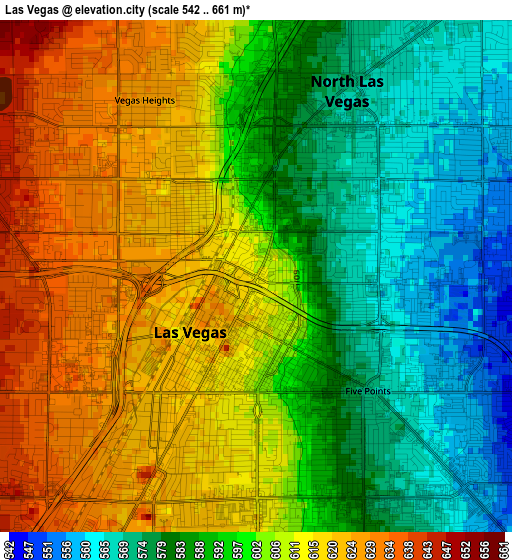
On average, the altitude of Las Vegas is approximately 2,000 feet (about 610 meters) above sea level. While this is not high enough to cause typical mountain-level altitude sickness, it is high enough to affect the way your body interacts with the environment, particularly when combined with the arid climate.
Topographical Variations
The elevation across the valley is not uniform. The valley floor slopes, meaning that if you travel from the Downtown Las Vegas area toward the outer suburbs like Summerlin or the base of Red Rock Canyon, you are essentially traveling uphill. These fringe areas can reach altitudes closer to 2,500 to 3,000 feet, which starts to make a noticeable difference in temperature and air pressure compared to the heart of the tourist corridor.
How Altitude Impacts Your Physical Well-Being
At 2,000 feet, most visitors will not feel the shortness of breath or lightheadedness associated with high-altitude regions like Denver or the Rocky Mountains. However, the combination of elevation and extreme low humidity in the United States southwest creates specific physiological demands.
The Dehydration Factor
The primary issue visitors face isn’t just the height, but the rate of evaporation. At higher elevations, the air is thinner and significantly drier. This causes moisture to evaporate from your skin and respiratory system much faster than it would at sea level. Many tourists arriving from coastal cities like Los Angeles or Miami find themselves dehydrated within hours of arrival without even realizing it.
Managing Sun Exposure
Another aspect of altitude is the intensity of UV radiation. For every 1,000 feet of elevation gain, UV radiation increases by approximately 5% to 7%. While Las Vegas is not “high altitude” in the traditional mountaineering sense, the thinner atmosphere does provide less protection against the sun. Visitors spending time at MGM Grand pool complexes or exploring the Grand Canyon on a day trip should wear higher-SPF sunscreen than they would at home.

Alcohol Sensitivity
It is a common misconception that alcohol hits you harder in Las Vegas simply because of the party atmosphere. While the environment is certainly conducive to indulgence, the combination of mild elevation and intense heat can make the body process alcohol differently. You may find that your tolerance is lower than usual, leading to faster intoxication and, inevitably, a more severe hangover the next morning.
Planning Your Activities with Altitude in Mind
Whether you are here for a business conference at the Las Vegas Convention Center or a weekend of leisure at Caesars Palace, being aware of your surroundings can improve your comfort level.
Physical Exertion and Hiking
If your itinerary includes outdoor activities, it is vital to adjust your expectations. Hiking through Valley of Fire State Park or climbing Mount Charleston—which sits at a much higher elevation than the city—requires a higher level of physical output than a similar trail at sea level.
- Acclimatization: If you plan on doing strenuous activities, give yourself a day or two to get used to the desert climate before attempting long hikes.
- Hydration: Carry more water than you think you need. Drinking water infused with electrolytes is highly recommended.
- Timing: Avoid the midday sun. Plan your outdoor excursions for early morning or late afternoon to escape the peak heat, which is amplified by the surrounding terrain.
Travel to Higher Elevations
Many visitors use Las Vegas as a gateway to explore higher-altitude destinations. If you are planning a trip to Zion National Park or Brian Head Resort, remember that those locations are at significantly higher elevations. People prone to altitude sickness should take extra precautions when driving from the Las Vegas valley floor into the alpine environments of neighboring Utah.
Staying Healthy and Comfortable in the Desert
Ultimately, the altitude of Las Vegas serves as a reminder that you are visiting a unique and somewhat harsh environment. While it is not an extreme altitude destination, the “desert factor” requires a mindful approach to health.
Climate Control
Inside the major resorts like the Bellagio or The Venetian, the air is highly regulated with powerful air conditioning and industrial humidification systems. Moving between these climate-controlled interiors and the dry, warm outdoor air can place a strain on your sinuses. Using a saline nasal spray or keeping a small travel moisturizer in your bag can help you stay comfortable throughout your stay.
Listening to Your Body
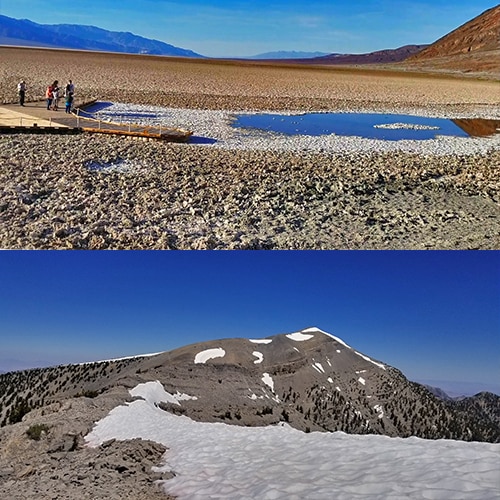
If you find yourself feeling unusually fatigued or experiencing a persistent headache, do not ignore it. These are often the first signs that your body is struggling with the transition to the local climate. Take a break in your hotel room, drink plenty of water, and avoid caffeine, which can exacerbate dehydration.
The Las Vegas experience is meant to be exhilarating, not draining. By understanding that your body is adjusting to a 2,000-foot elevation and a desert ecosystem, you can better prepare for the adventures that await. Whether you are walking the iconic Fremont Street Experience or enjoying a luxury dining experience at the Wynn Las Vegas, a little bit of preparation regarding the local geography goes a long way. Stay hydrated, wear your sun protection, and enjoy everything that this desert marvel has to offer. With the right approach to your physical needs, your time in the high desert will be as smooth as the neon lights are bright.
LifeOutOfTheBox is a participant in the Amazon Services LLC Associates Program, an affiliate advertising program designed to provide a means for sites to earn advertising fees by advertising and linking to Amazon.com. Amazon, the Amazon logo, AmazonSupply, and the AmazonSupply logo are trademarks of Amazon.com, Inc. or its affiliates. As an Amazon Associate we earn affiliate commissions from qualifying purchases.