
Planning a trip to the neon-soaked desert oasis of Las Vegas requires more than just picking the right show or booking a table at a world-class restaurant. Because the city is situated within the Mojave Desert, the climate is a defining feature of the visitor experience. Understanding the ebb and flow of the Nevada weather is essential for packing, scheduling outdoor excursions, and ensuring your comfort while navigating the Las Vegas Strip.
The Seasonal Rhythm of the Desert
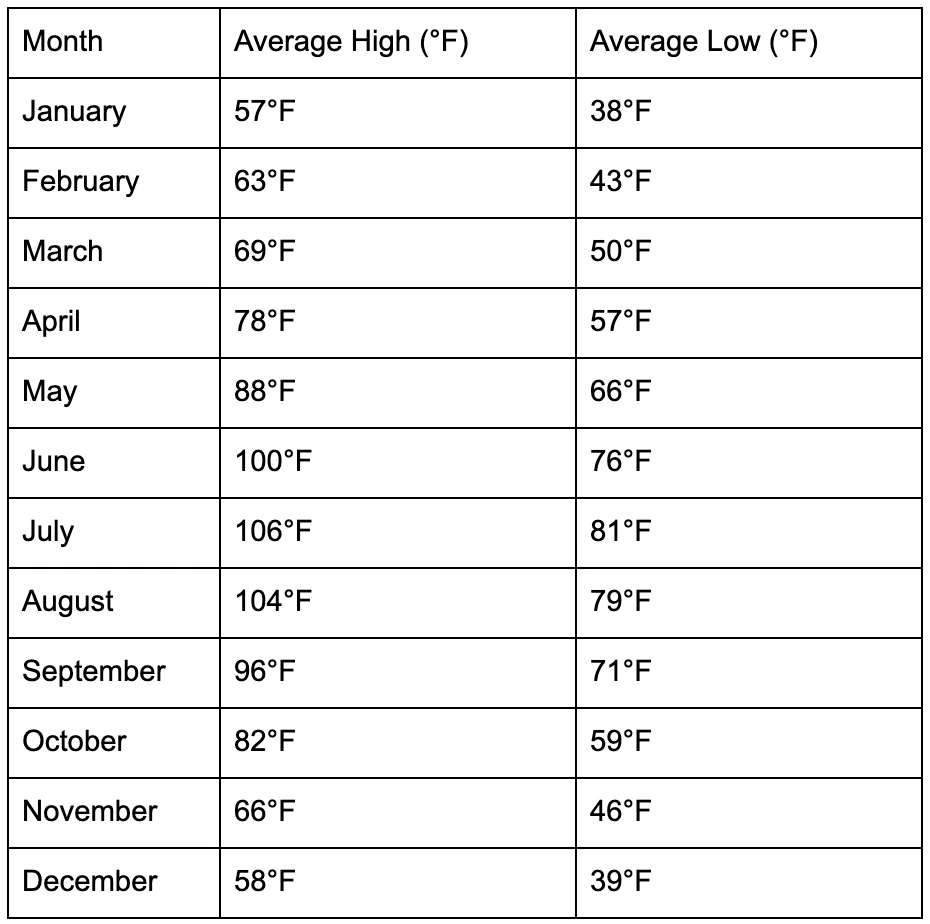
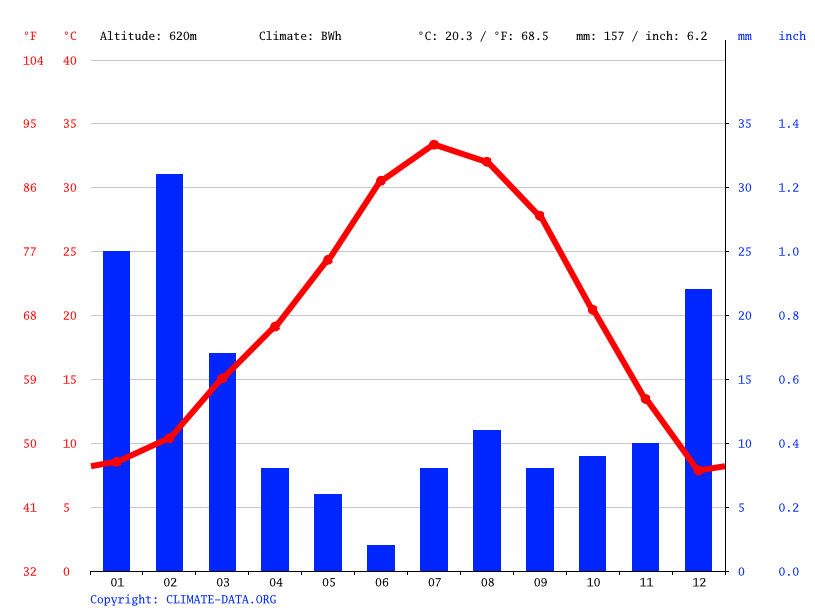
The temperature in Las Vegas follows a classic desert pattern: scorching summers, mild springs and autumns, and surprisingly brisk winters. Because there is very little humidity, the air feels crisp and intense, meaning heat can feel more aggressive during the day, while nights can drop significantly in temperature.

Summer: The Season of Heat
From June through early September, Las Vegas enters its peak thermal period. Daytime temperatures frequently soar above 100°F (38°C), and it is not uncommon for mid-July or August days to reach 110°F or higher. During these months, the city is a sanctuary of climate-controlled luxury. Whether you are staying at Caesars Palace or taking a dip in the pools at Mandalay Bay, the infrastructure is designed to keep you cool. If you visit during this time, scheduling your outdoor activities for the very early morning or after sunset is the key to enjoying the city without succumbing to the heat.
Spring and Autumn: The Sweet Spot
For many travelers, the most pleasant time to visit Nevada is during the shoulder seasons. Spring (late March through May) and Autumn (late September through early November) offer a balance of warm, sunny days and cool, comfortable evenings. Daytime highs typically sit in the 70s and 80s Fahrenheit. This is the prime window for walking the length of the Las Vegas Strip, exploring outdoor art installations, or heading out to Red Rock Canyon for a hike before the summer intensity sets in.
Winter: A Brisk Desert Escape
Winter in Las Vegas is often underestimated. While the sun continues to shine, daily highs in December and January hover around 55°F to 60°F (13°C–15°C). Nights, however, can drop near freezing. If you are planning a winter trip, layering is your best strategy. You might find yourself shedding a coat in the afternoon sun, only to need a heavy jacket once the sun dips behind the Spring Mountains.
Planning Outdoor Activities Around the Weather
The temperature dictates the pace of life in the desert. While the interiors of hotels like The Venetian or Bellagio are always temperature-regulated, your itinerary for the surrounding area should be weather-conscious.
Desert Excursions and Nature
If your bucket list includes visiting Valley of Fire State Park or Hoover Dam, you must consult the weather forecast religiously. In the summer, even the pavement at these locations can be dangerous to walk on, and physical exertion is hazardous without significant water intake. Conversely, winter months are perfect for these desert treks, as the cool air makes the dry, rocky landscapes accessible and enjoyable for hours at a time.
The Pool Culture
Las Vegas is world-famous for its elaborate pool decks. At Wynn Las Vegas or The Cosmopolitan of Las Vegas, the pools are the center of the universe during the warmer months. It is important to note that most outdoor hotel pools are seasonal. While some maintain heated water year-round, many shut down or operate on limited schedules once the nighttime temperatures drop consistently into the 40s. Always check with your resort concierge about seasonal amenity availability if your trip falls between November and February.
Packing Strategies for Varying Temperatures
Packing for a trip to Las Vegas can be tricky because you are preparing for three distinct micro-climates: the sweltering outdoor heat, the heavily air-conditioned indoor casinos, and the cool desert nights.
The Art of Layering
Even in the middle of summer, the massive interiors of resorts like Aria Resort and Casino are kept quite chilly to keep guests comfortable. If you are walking in from 105°F heat, the blast of air conditioning can feel like a shock. Carrying a light sweater, wrap, or pashmina is a local secret for navigating the casinos and grand ballrooms without catching a chill.
Sun Protection and Hydration
Regardless of the thermometer reading, the Nevada sun is intense. The desert air has very low humidity, which often means you do not realize how quickly you are becoming dehydrated.
- Hydration: Always carry a refillable water bottle. Even if you do not feel thirsty, the dry air is constantly wicking moisture from your skin and respiratory system.
- Sun Protection: Sunglasses, wide-brimmed hats, and high-SPF sunscreen are non-negotiable accessories. The UV index in the Mojave Desert remains high even on cooler, cloudy days.
- Footwear: Avoid heavy, non-breathable shoes during the summer. Your feet will thank you for choosing lightweight, breathable options that can handle both the heat of the sidewalk and the miles of walking required to explore Fremont Street.
Best Times of Year to Visit
When choosing the dates for your trip, consider your tolerance for heat and your desire to be outdoors.
- March to May: The perfect time for walking tours, outdoor photography, and visiting nearby natural wonders like Lake Mead.
- June to August: Ideal if your primary goal is lounging by the pool, experiencing the nightlife, and enjoying the indoor spectacle of the Las Vegas Strip while avoiding the midday sun.
- September to November: Often cited as the best all-around time. The crowds thin out slightly, the temperatures soften, and the evening breeze is perfect for al fresco dining at one of the many restaurants overlooking the Bellagio Fountains.
- December to February: The best time for those looking for lower room rates, fewer tourists, and the ability to comfortably wear sophisticated evening attire without overheating. It is also the most pleasant time to walk long distances between properties like MGM Grand and New York-New York Hotel and Casino.
In conclusion, Las Vegas offers a dynamic climate that significantly influences your experience. By understanding the seasonal shifts and preparing for the unique desert environment, you can ensure that your visit to this spectacular destination is comfortable, enjoyable, and memorable. Whether you are basking in the summer heat by a luxury pool or enjoying a crisp, cool evening on a balcony overlooking the sparkling skyline, being prepared for the temperature is the first step toward a perfect vacation.
LifeOutOfTheBox is a participant in the Amazon Services LLC Associates Program, an affiliate advertising program designed to provide a means for sites to earn advertising fees by advertising and linking to Amazon.com. Amazon, the Amazon logo, AmazonSupply, and the AmazonSupply logo are trademarks of Amazon.com, Inc. or its affiliates. As an Amazon Associate we earn affiliate commissions from qualifying purchases.