
When planning a getaway to the entertainment capital of the world, most travelers focus their budgets on room rates at the Bellagio, dinner reservations at high-end steakhouses, or show tickets for a Cirque du Soleil performance. However, a crucial component of any Las Vegas vacation budget is understanding the hidden costs added at the register. Sales tax in Nevada can be complex, and for visitors, it often feels like an unpredictable variable that impacts everything from a quick snack at a Walgreens on the Las Vegas Strip to a designer shopping spree at the Forum Shops at Caesars.
Understanding the Base Sales Tax Rate
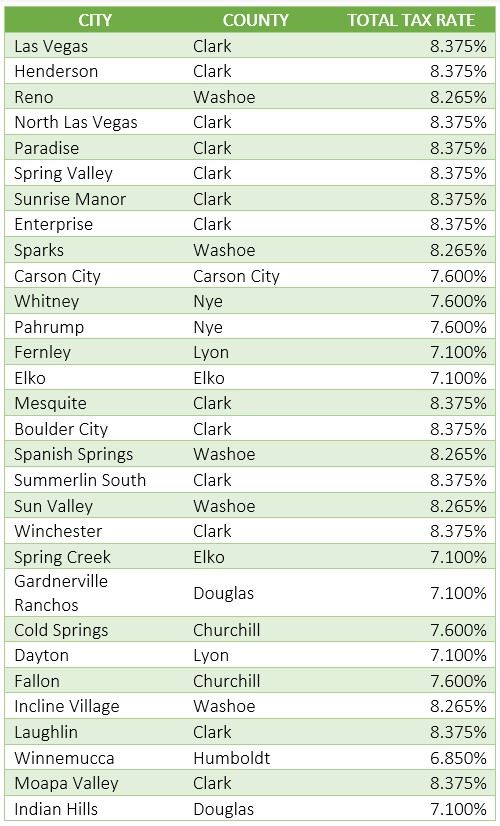
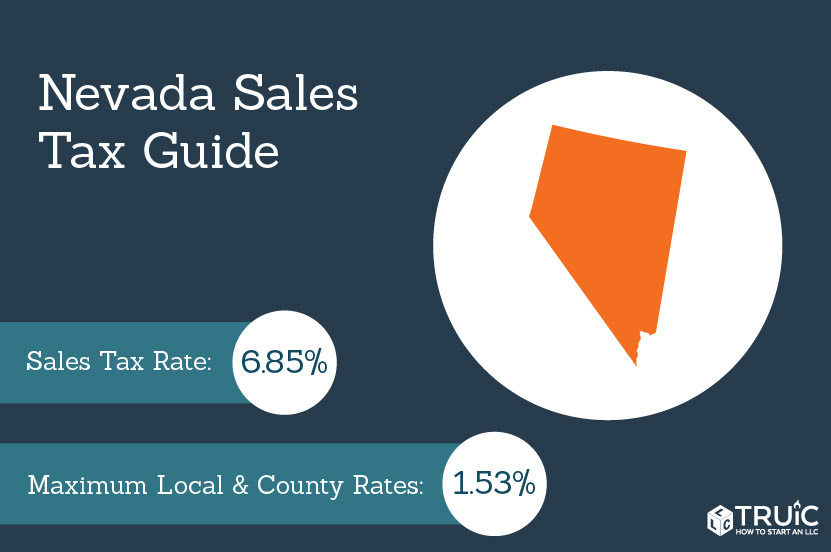
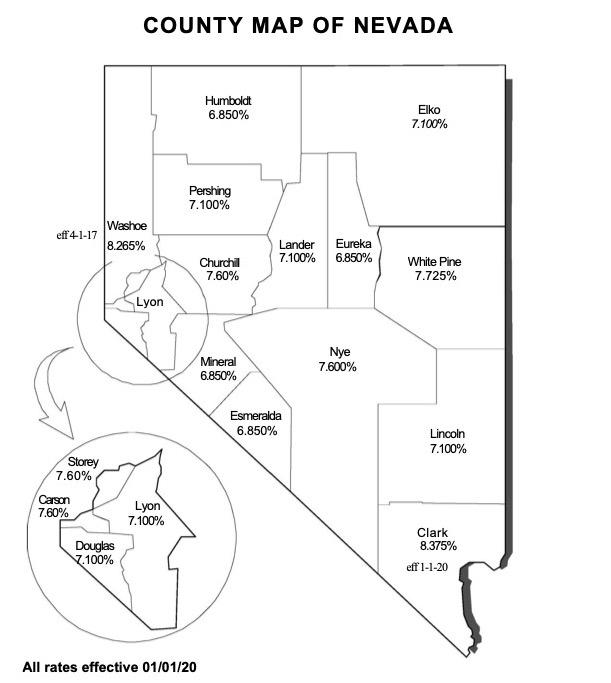
To effectively manage your travel spending, it is essential to know how the tax structure in Clark County functions. As of the latest legislative updates, the sales tax rate for most general retail purchases within the Las Vegas metropolitan area is 8.38%. This rate is a composite figure, which combines the state-level tax with various local and county-specific surcharges.
How the Tax Is Calculated
Unlike some jurisdictions where tax is added on top of a menu price or tag price after the fact, Nevada law mandates that this percentage applies to nearly all tangible personal property. If you are picking up a souvenir at the MGM Grand, the price you see on the tag will be augmented by this 8.38% at the point of sale.
Why the Rate Varies
While 8.38% is the standard baseline across most of the Las Vegas Valley, visitors should be aware that tax jurisdictions can change based on the specific location of the business. Certain areas within Clark County may have minor deviations based on local municipal bond measures or public improvement district fees. Always assume that if you are near major landmarks like the High Roller, you will be paying the maximum tier of sales tax applied in that region.
The Impact of “Resort Fees” and Lodging Taxes
One area where travelers frequently experience sticker shock is not the sales tax itself, but the lodging taxes applied to their hotel stays. If you are staying at an iconic property like The Venetian or Wynn Las Vegas, you will notice that the final invoice includes significantly more than just the base room rate.
Occupancy Taxes and Surcharges
In Las Vegas, hotel guests are subject to a transient lodging tax. This tax varies by the specific municipality—such as Paradise or the City of Las Vegas—and is distinct from standard sales tax. When you add this lodging tax to the ubiquitous “resort fees” charged by almost every major hotel on the Las Vegas Strip, the total cost of your accommodation can increase by 20% to 30% over the advertised nightly rate.
Tax on Services vs. Goods
It is a common misconception that services are taxed at the same rate as goods. In Nevada, most professional services—such as spa treatments at Qua Baths and Spa or concierge bookings—are not taxed in the same manner as physical merchandise. However, if that spa treatment includes a physical product like a lotion or oil, that specific item will likely attract the standard retail sales tax. Understanding this distinction can help you better forecast your final bill when checking out of high-end resorts like The Cosmopolitan of Las Vegas.
Navigating Taxes on Dining and Entertainment
Dining out is a fundamental part of the Las Vegas experience. Whether you are grabbing a quick bite at In-N-Out Burger or indulging in a multi-course meal at a Gordon Ramsay restaurant, taxes play a role in your total expenditure.
Prepared Food Taxability
In Nevada, all prepared food intended for immediate consumption is taxable. This means that unlike some states that offer exemptions for groceries, every meal you purchase at a restaurant, food court, or even a snack stand near the Fremont Street Experience will carry the full weight of the sales tax. When you view a menu price in Las Vegas, it is best practice to mentally add 8.38% to calculate the realistic cost of your meal.
Entertainment Tax (Live Entertainment Tax)
Beyond sales tax, Nevada imposes a Live Entertainment Tax (LET) on admissions to venues, sporting events, and performances. If you are attending a concert at the T-Mobile Arena or a residency at Park MGM, a portion of your ticket price is allocated to this tax. Because the LET is often embedded into the price of the ticket sold by platforms like Ticketmaster, many visitors do not realize they are paying it. However, it remains a significant component of the “added costs” that make major tourist activities in the city more expensive than they appear on the surface.
Tips for Budgeting During Your Trip
Given the cumulative effect of sales tax, lodging taxes, and resort fees, how does the savvy traveler manage their finances? The key is preparation and awareness of the “Total Cost of Ownership” for your vacation.
Account for the Hidden 10%
A general rule of thumb for any budget-conscious traveler heading to Las Vegas is to add at least 10% to the total cost of any planned activity, meal, or purchase. Because the base sales tax is 8.38%, rounding up to 10% provides a safe buffer that covers both taxes and potential small fluctuations in fees.
Utilize Tax-Free Incentives Where Possible
While Nevada does not offer a sales tax refund program for international tourists—unlike some countries in Europe—you can mitigate costs by focusing your shopping on essential goods and services that offer the most value. If you are planning a massive shopping trip at the Las Vegas North Premium Outlets, remember that those discounted prices are still subject to the full sales tax rate. Plan your high-ticket purchases accordingly to avoid exceeding your total trip budget.
Monitor Resort Invoices
Finally, always review your bill before finalizing your checkout. Automated systems at hotels like Caesars Palace are usually accurate, but occasionally, errors occur in the application of local taxes versus state taxes. If you see a charge that seems unusually high, do not hesitate to ask the front desk for an itemized breakdown. Understanding what you are paying for—whether it is a mandatory tax or a service fee—empowers you to make better financial decisions, ensuring your time in Nevada remains enjoyable and within your planned limits. By mastering these nuances of the Las Vegas economy, you can spend less time worrying about the fine print and more time enjoying the glitz and glamour of the Nevada desert.
LifeOutOfTheBox is a participant in the Amazon Services LLC Associates Program, an affiliate advertising program designed to provide a means for sites to earn advertising fees by advertising and linking to Amazon.com. Amazon, the Amazon logo, AmazonSupply, and the AmazonSupply logo are trademarks of Amazon.com, Inc. or its affiliates. As an Amazon Associate we earn affiliate commissions from qualifying purchases.