
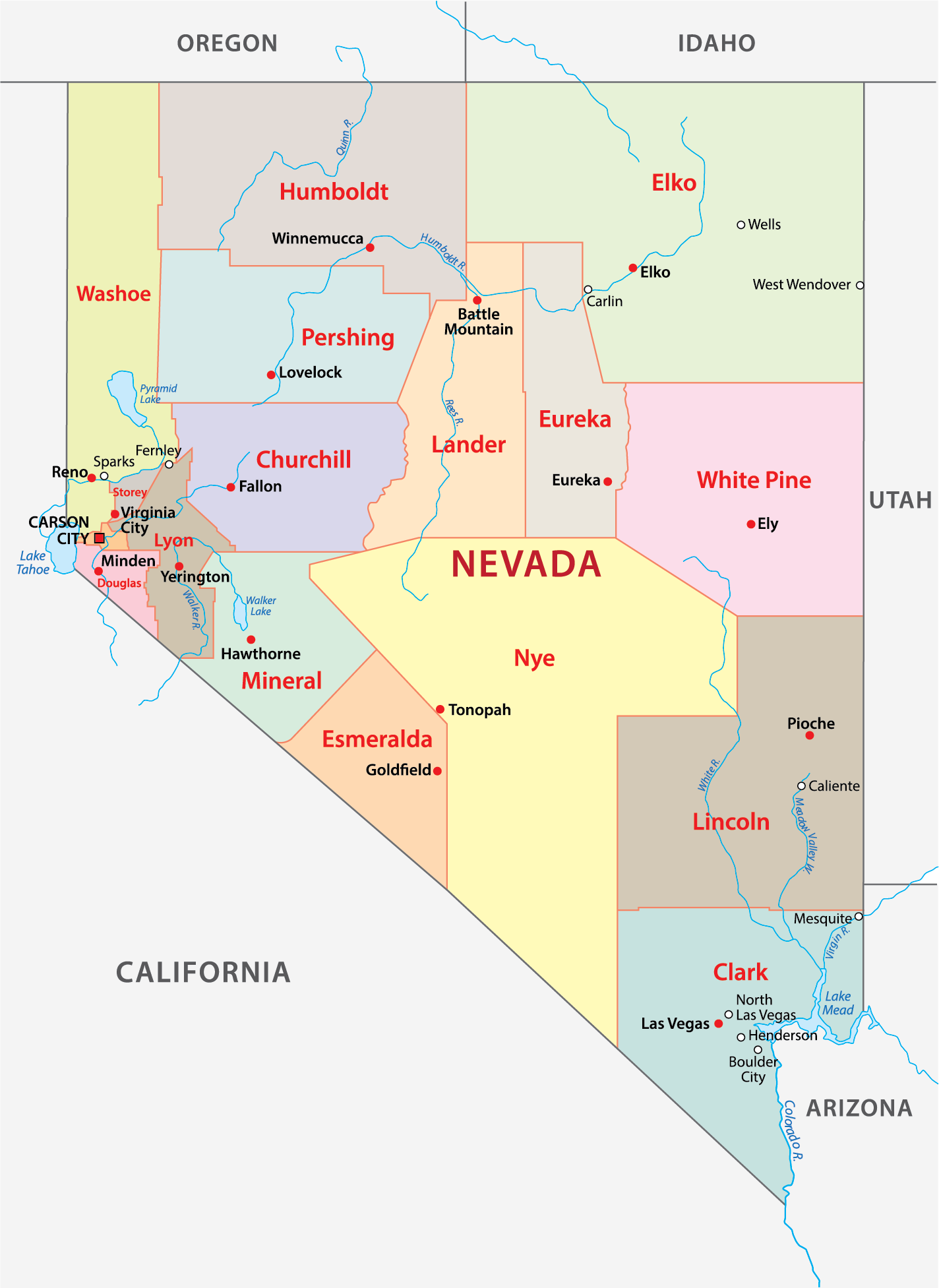
When visitors flock to the neon-soaked streets of Las Vegas, they often find themselves immersed in a world that feels entirely separate from the rest of the world. Amidst the glimmering lights of the Las Vegas Strip, the question of regional administration rarely crosses the minds of travelers. However, understanding the jurisdictional backbone of this desert oasis is essential for anyone interested in the geography and governance of the United States. The city of Las Vegas is the jewel of Clark County, a massive administrative division that encompasses the vast majority of the Nevada metropolitan area.
The Role of Clark County in Southern Nevada
Clark County is not merely a line on a map; it is the engine that powers one of the most famous tourist destinations on the planet. Established in 1909, this sprawling administrative region covers an area roughly the size of New Jersey. While tourists spend most of their time within the Las Vegas Valley, the county government manages the infrastructure, public services, and zoning laws that keep the tourism industry afloat.
Jurisdiction and the Las Vegas Strip
One of the most fascinating aspects of Clark County governance is that the world-famous Las Vegas Strip does not actually lie within the incorporated city limits of Las Vegas. Instead, the Strip resides in an unincorporated area known as Paradise. This quirk of administrative geography means that the major resorts, casinos, and entertainment hubs are overseen directly by the Clark County Commission rather than the Las Vegas City Council. This distinction ensures that the economic activity generated by these landmarks directly fuels the county’s expansive public works projects, which support residents and visitors alike.
Impact on Infrastructure and Tourism
Because of the heavy reliance on tourism, the Clark County government plays a specialized role in maintaining a world-class experience for millions of annual visitors. From the expansion of Harry Reid International Airport to the maintenance of the roadways leading to the Hoover Dam, the county ensures that the transit and utility requirements of a global tourism hub are met with precision. This proactive management allows Nevada to remain a competitive destination in an increasingly crowded travel market.
Beyond the Strip: Exploring Clark County

While the glitz of the casinos defines the public perception of Las Vegas, Clark County offers a diverse array of experiences that highlight the natural beauty of the Mojave Desert. Understanding the county’s geography helps travelers appreciate that the region is a tapestry of urban excitement and rugged landscapes.
Natural Landmarks and Conservation
The administrative scope of Clark County includes some of the most striking natural landmarks in the American West. For those seeking a break from the noise of the casinos, the Red Rock Canyon National Conservation Area provides a breathtaking alternative. Managed with the help of federal partnerships, these spaces demonstrate the county’s commitment to preserving the environment despite the rapid expansion of the urban sprawl. Travelers often utilize these natural retreats to balance their itinerary between the intense sensory experience of the Fremont Street Experience and the quiet serenity of the desert landscape.
Regional Growth and Community Identity
As Clark County continues to grow, it incorporates various satellite communities such as Henderson and North Las Vegas. These areas offer a glimpse into the local lifestyle, far removed from the high-stakes tables of the major resorts. The synergy between these municipalities and the county government fosters a unique culture that blends the high-energy demands of a tourism-driven economy with the needs of a growing residential population.
Navigation and Logistics for the Modern Traveler
For the first-time visitor, understanding the administrative structure of the Las Vegas Valley is more than a trivial geography lesson—it is a key component of successful travel planning. Whether you are booking a stay at the Caesars Palace or venturing out toward the Lake Mead National Recreation Area, knowing that you are navigating within Clark County provides context for the public services and regional regulations you encounter.
Administrative Districts and Visitor Services
Because Clark County manages the unincorporated lands where the majority of the resorts are located, visitors will find that many tourist-facing services are actually county-regulated. This includes public safety, transit planning, and large-scale event permitting. When you attend a concert at the Allegiant Stadium or walk the grounds of the Las Vegas Convention Center, you are interacting with public infrastructure funded and maintained at the county level.

Why Geography Matters for Your Trip
Travelers who take the time to learn about the administrative layout of their destination often have a more enriching experience. By acknowledging that Las Vegas is the seat of Clark County, visitors gain a deeper appreciation for the scale of the region. It highlights why Nevada is a unique destination where city lights and vast, protected wilderness coexist so closely. Whether you are driving from the McCarran Aviation District toward the Valley of Fire State Park, the sense of continuity provided by the county’s oversight ensures that your journey remains seamless and efficient.
The interplay between the urban spectacle of Las Vegas and the expansive authority of Clark County is a testament to effective regional planning. By recognizing that the Strip is an unincorporated marvel and that the surrounding landscapes are protected jewels, a traveler can better navigate the complexities of this desert oasis. As you plan your next trip to Nevada, remember that while the neon signs draw you in, it is the sturdy governance of Clark County that allows the Las Vegas dream to persist year after year. From the high-end amenities of the Bellagio to the quiet trails of the Mount Charleston area, the region remains a testament to human ingenuity and bureaucratic resilience in the heart of the Western United States.
LifeOutOfTheBox is a participant in the Amazon Services LLC Associates Program, an affiliate advertising program designed to provide a means for sites to earn advertising fees by advertising and linking to Amazon.com. Amazon, the Amazon logo, AmazonSupply, and the AmazonSupply logo are trademarks of Amazon.com, Inc. or its affiliates. As an Amazon Associate we earn affiliate commissions from qualifying purchases.