
When travelers plan a trip to Las Vegas, their primary focus is usually on the shimmering neon of the Las Vegas Strip, world-class entertainment, or the culinary brilliance found within the city’s many resorts. However, tucked away in the Mojave Desert, the city’s geographical reality plays a significant role in the overall visitor experience. Understanding the elevation of this desert oasis is not just a piece of geographical trivia; it is a vital part of preparing for the climate, health, and outdoor exploration opportunities available in the region.
The Geographical Reality of the Las Vegas Valley
The elevation of Las Vegas varies depending on which part of the city you are visiting. On average, the city sits at approximately 2,000 feet (610 meters) above sea level. This puts the metropolitan area in what is categorized as a high desert environment. While it is not nearly as elevated as Denver, often called the “Mile High City,” the elevation in the Las Vegas Valley is high enough to influence local weather patterns and impact those who are sensitive to rapid altitude changes.
Topographical Variations Across the Valley
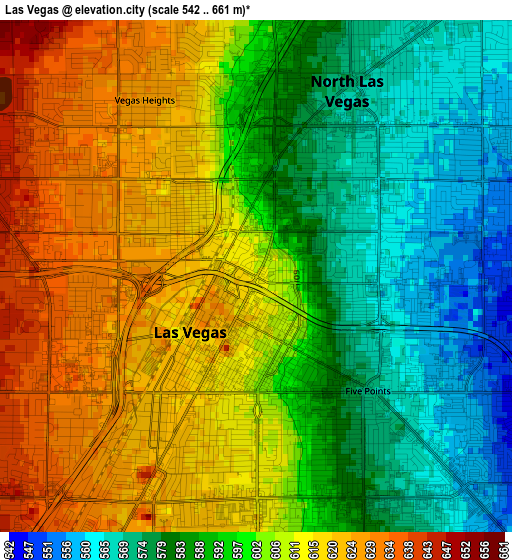
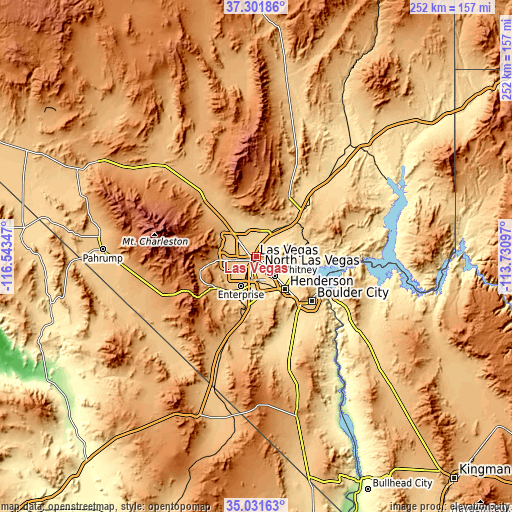
The Las Vegas Valley is a massive basin surrounded by several mountain ranges. Because the city is built on a gentle slope that rises from the southeast toward the northwest, the elevation changes noticeably as you travel from the Downtown Las Vegas area toward the affluent foothills of Summerlin.
In the lowest parts of the basin near Henderson, the elevation might dip slightly lower, while the outskirts closer to the Red Rock Canyon National Conservation Area can reach elevations significantly higher, sometimes exceeding 3,000 feet. This gradient is why residents often notice that the temperature is slightly cooler in the western foothills than it is on the Las Vegas Strip during the peak of summer.
How Elevation Impacts Your Travel Experience
For the average tourist arriving by air at Harry Reid International Airport, the 2,000-foot elevation is generally not enough to cause severe altitude sickness. Most individuals will find the adjustment period to be negligible. However, there are nuances to traveling in a high-desert environment that every visitor should keep in mind to ensure a comfortable stay.
Hydration and Physical Exertion
The combination of low humidity—typical of the Mojave Desert—and the moderate elevation means that moisture evaporates from the body much faster than in more temperate climates. Many visitors find that they become dehydrated long before they realize they are thirsty.
When you venture out of your hotel—perhaps to visit the Bellagio Hotel and Casino or to walk the expansive floors of Caesars Palace—it is essential to consume significantly more water than you would at home. If you are planning an active day of hiking near Mount Charleston, which sits at a much higher elevation, the demand for hydration increases exponentially.
Impact on Alcohol Tolerance
A common piece of advice for those visiting Las Vegas is to be mindful of alcohol consumption. While the elevation of 2,000 feet is not extreme, when combined with the desert heat, long days of sightseeing, and the general excitement of the city, many travelers find their tolerance is lower than expected. It is a common phenomenon in elevated regions where the body processes substances differently, leading to faster intoxication. Combining this with the desert environment makes it doubly important to pace yourself while enjoying the nightlife at venues like Omnia Nightclub or the bars at The Venetian Resort.
Exploring Elevation: Beyond the City Limits
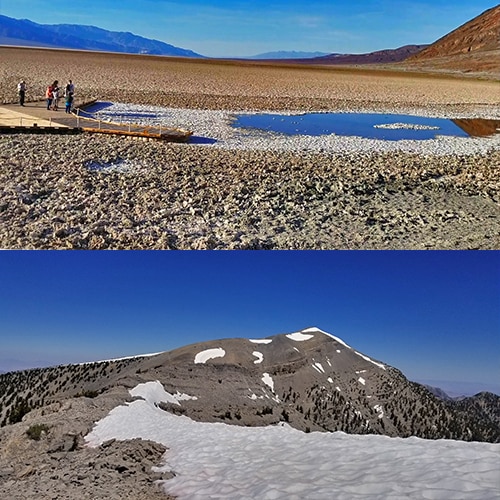
While the city sits at a relatively modest elevation, Nevada as a whole is one of the most mountainous states in the United States. If you decide to take a day trip from the urban landscape, your elevation can change drastically in a matter of an hour’s drive.
The Contrast of the Mountains
Many travelers are surprised to learn that less than an hour from the scorching heat of the Las Vegas Strip, you can reach alpine climates. Mount Charleston reaches an elevation of nearly 12,000 feet. This massive increase in elevation brings a dramatic drop in temperature, changing the landscape from arid desert scrub to lush pine forests.
Similarly, visiting the Valley of Fire State Park offers a different experience where the elevation contributes to the rugged, dramatic scenery of the sandstone formations. Understanding that Las Vegas is a gateway to diverse topographies is key to planning a well-rounded itinerary. Whether you are golfing at Wynn Las Vegas or trekking the Black Canyon of the Colorado River, the varied terrain provides a unique backdrop that few other cities can match.
Weather, Climate, and Altitude
The elevation of the Las Vegas Valley is the primary driver of its extreme climate. In the summer months, the basin traps heat, often causing temperatures to soar well above 100 degrees Fahrenheit. Because the air is thin at 2,000 feet, the sun’s UV rays are more intense than at sea level.
Sun Protection and Skin Care
Regardless of the time of year, protecting your skin is vital when visiting Las Vegas. The elevation makes the sun feel more powerful, and the reflection of light off the glass and steel architecture of resorts like The Cosmopolitan of Las Vegas can increase your exposure to UV radiation.
Even if you don’t feel “hot,” the impact of the altitude on your skin is real. Sunscreen, hats, and sunglasses are not just fashion accessories in the desert; they are essential tools for maintaining your health.
Planning Your Activities
When looking at the elevation, it is also worth considering the time of day for your activities. Because the heat radiates off the desert floor and the urban sprawl, the nights in the Las Vegas Valley can remain quite warm. If you are planning strenuous activities, such as exploring the Arts District or visiting Fremont Street Experience, timing your outings for the early morning or later in the evening will save you from the most intense heat of the day.
Ultimately, knowing that you are spending your holiday at 2,000 feet above sea level adds a layer of appreciation for the engineering and human endurance required to turn this arid desert patch into the entertainment capital of the world. From the low-lying basin to the soaring peaks of the surrounding mountain ranges, the elevation of Las Vegas defines the landscape, the lifestyle, and the unforgettable adventures that await every visitor to the Silver State.
LifeOutOfTheBox is a participant in the Amazon Services LLC Associates Program, an affiliate advertising program designed to provide a means for sites to earn advertising fees by advertising and linking to Amazon.com. Amazon, the Amazon logo, AmazonSupply, and the AmazonSupply logo are trademarks of Amazon.com, Inc. or its affiliates. As an Amazon Associate we earn affiliate commissions from qualifying purchases.