
Understanding the demographic landscape of Las Vegas requires more than a quick glance at census data. As one of the most dynamic and rapidly evolving urban centers in the United States, this desert oasis has transformed from a quiet railway stop into a global entertainment powerhouse. When researchers or potential residents ask about the population, the answer depends heavily on how one defines the city limits versus the sprawling Las Vegas Valley.
Defining the Urban and Metropolitan Scope
The distinction between the City of Las Vegas and the broader metropolitan area is a frequent point of confusion for visitors and prospective residents alike. While the incorporated city serves as the heart of the region, the true scale of the population is best captured by the Clark County census data.

The Incorporated City Limits
The official city of Las Vegas maintains a population that hovers around 650,000 residents. This figure represents the administrative boundaries managed by the city government. Within this jurisdiction, residents enjoy proximity to the historic downtown core and the growing arts district. However, this number is significantly smaller than the total number of people who identify as residents of the desert region.
The Las Vegas Metropolitan Statistical Area
When locals refer to the population, they are almost always speaking about the Las Vegas-Henderson-Paradise metropolitan statistical area. This encompasses the entire valley, including major suburbs like Henderson and North Las Vegas, as well as the unincorporated town of Paradise—the very location that hosts the famed Las Vegas Strip. This broader area accounts for over 2.3 million people, reflecting a population density that continues to push outward toward the surrounding Nevada desert.
Factors Driving Rapid Population Growth
The growth of Las Vegas is a testament to the allure of the American West. Over the past four decades, the region has been one of the fastest-growing metropolitan areas in the nation. This expansion is driven by a confluence of economic, lifestyle, and geographic factors that make the region uniquely attractive to a diverse demographic.
Economic Opportunities Beyond Gaming
While Las Vegas was once synonymous almost exclusively with gaming and hospitality, the modern economy is far more multifaceted. The growth of the technology sector, health care, and logistics has diversified the workforce. Residents are no longer just hospitality workers; they are engineers, medical professionals, and entrepreneurs who have relocated to take advantage of the state’s favorable tax climate and the high quality of life found in suburbs like Summerlin.

Migration Patterns and Lifestyle Appeal
Many individuals move to Nevada seeking a balance between urban amenities and outdoor accessibility. The cost of living, while rising, often remains more competitive than other major western cities like Los Angeles or San Francisco. This migration has created a melting pot of cultures, as people from all over the country—and the world—contribute to the city’s evolving social fabric. The influx of new residents has spurred infrastructure development, leading to the creation of master-planned communities that prioritize modern living standards, parks, and top-tier school districts.
The Seasonal Fluctuations of a Global Hub
Unlike most major cities, the population of Las Vegas experiences a significant “ghost” population fluctuation. Because the city is a premier global tourist destination, the number of people physically present on any given day far exceeds the residential count.
Impact of Tourism on Infrastructure
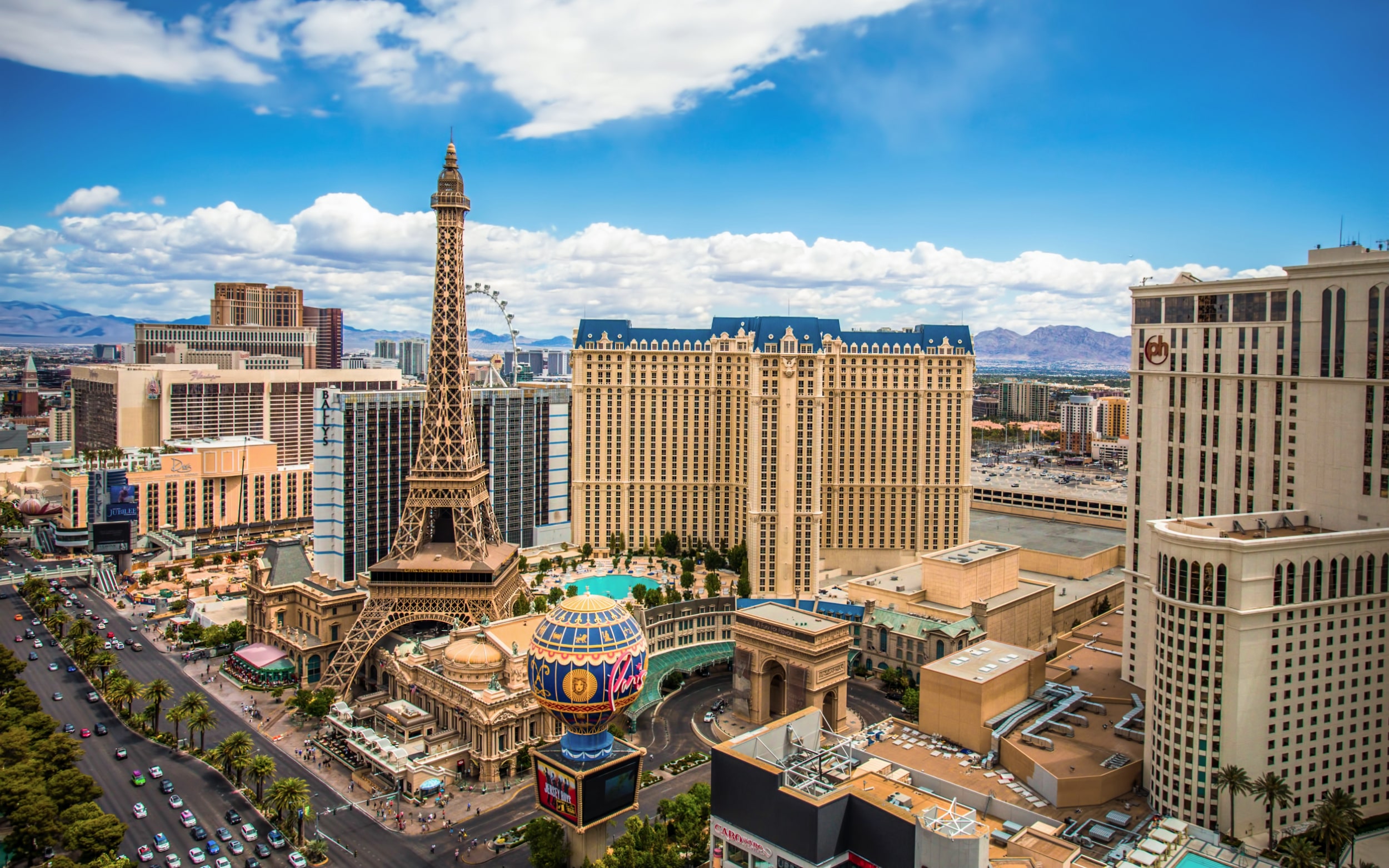
With over 40 million visitors passing through Harry Reid International Airport annually, the city must maintain infrastructure capable of supporting a much larger population than the census indicates. This constant movement of travelers influences everything from traffic patterns on Interstate 15 to the demand for public services. For the local resident, this means living in a city that is always “awake,” offering a level of convenience and service availability rarely found elsewhere.
The Transient Resident Segment
There is also a significant segment of the population that resides in the valley for parts of the year, particularly those who maintain secondary residences to escape colder climates in the Midwest or Canada. These seasonal residents contribute to the local economy while adding to the complexity of counting the actual “day-to-day” population. Understanding these numbers is essential for city planners in Clark County, as they must balance the needs of permanent residents with the massive footprint left by the hospitality industry.
Future Projections for the Valley
As we look toward the future, the demographic trajectory of Las Vegas remains strong. Urban planners anticipate continued growth as the region matures into a more sustainable desert city.
Sustainability and Water Management
One of the most critical factors in future population growth is the management of resources. The Colorado River and Lake Mead are central to the survival of the region. Despite the arid climate, Las Vegas has become a global leader in water conservation. These efforts allow the city to accommodate more people even as the focus shifts toward more efficient, higher-density living rather than horizontal expansion.
Integration of Industry and Innovation
As companies continue to migrate away from high-tax states, Las Vegas is positioning itself as an attractive hub for innovation. The development of major venues like Allegiant Stadium and the ongoing expansion of the Las Vegas Convention Center ensure that the city will remain a global center for business and entertainment. This professional focus helps stabilize the population, shifting the demographic from purely transient to more long-term, community-oriented residents who invest in the local economy and culture.
In summary, the population of Las Vegas is a living, breathing metric of success. Whether you are looking at the 650,000 residents of the city proper or the 2.3 million people who define the broader metropolitan landscape, the reality is a city that continues to defy expectations. It is a place of perpetual movement, sustained by a diverse population that finds value in the unique opportunities provided by this iconic desert metropolis. From the high-end residential enclaves of Henderson to the bustling corridors near the Las Vegas Strip, the story of the Nevada population is one of resilience, growth, and constant reinvention.
LifeOutOfTheBox is a participant in the Amazon Services LLC Associates Program, an affiliate advertising program designed to provide a means for sites to earn advertising fees by advertising and linking to Amazon.com. Amazon, the Amazon logo, AmazonSupply, and the AmazonSupply logo are trademarks of Amazon.com, Inc. or its affiliates. As an Amazon Associate we earn affiliate commissions from qualifying purchases.