
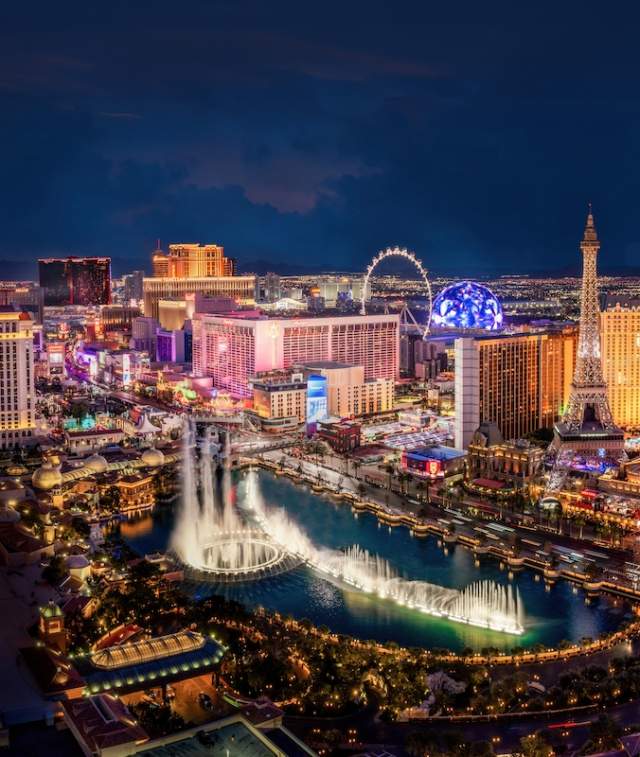
The Las Vegas Strip, often referred to simply as “The Strip,” is arguably the most famous stretch of asphalt in the world. Stretching roughly 4.2 miles along a section of Las Vegas Boulevard, this iconic corridor serves as the epicenter of global entertainment, gaming, and architectural ambition. While visitors often mistake the entirety of the Las Vegas tourist area for the Strip, the official boundaries technically fall within the unincorporated towns of Paradise and Winchester, located just south of the city limits.
The Evolution of an Icon
The history of the Strip is a fascinating chronicle of transformation, moving from a lonely highway in the middle of the Mojave Desert to a neon-drenched metropolis that defies the limitations of geography and imagination.
The Mid-Century Boom
In the 1940s and 50s, the landscape was defined by low-slung, mid-century modern resorts like the original El Rancho Vegas. These properties were modest by today’s standards, yet they set the stage for the glitz and glamour that would define the region. The opening of The Flamingo, spearheaded by the infamous Bugsy Siegel, changed the trajectory of the area forever, introducing a level of opulence that signaled the arrival of big-money interests in the Nevada desert.
The Mega-Resort Era
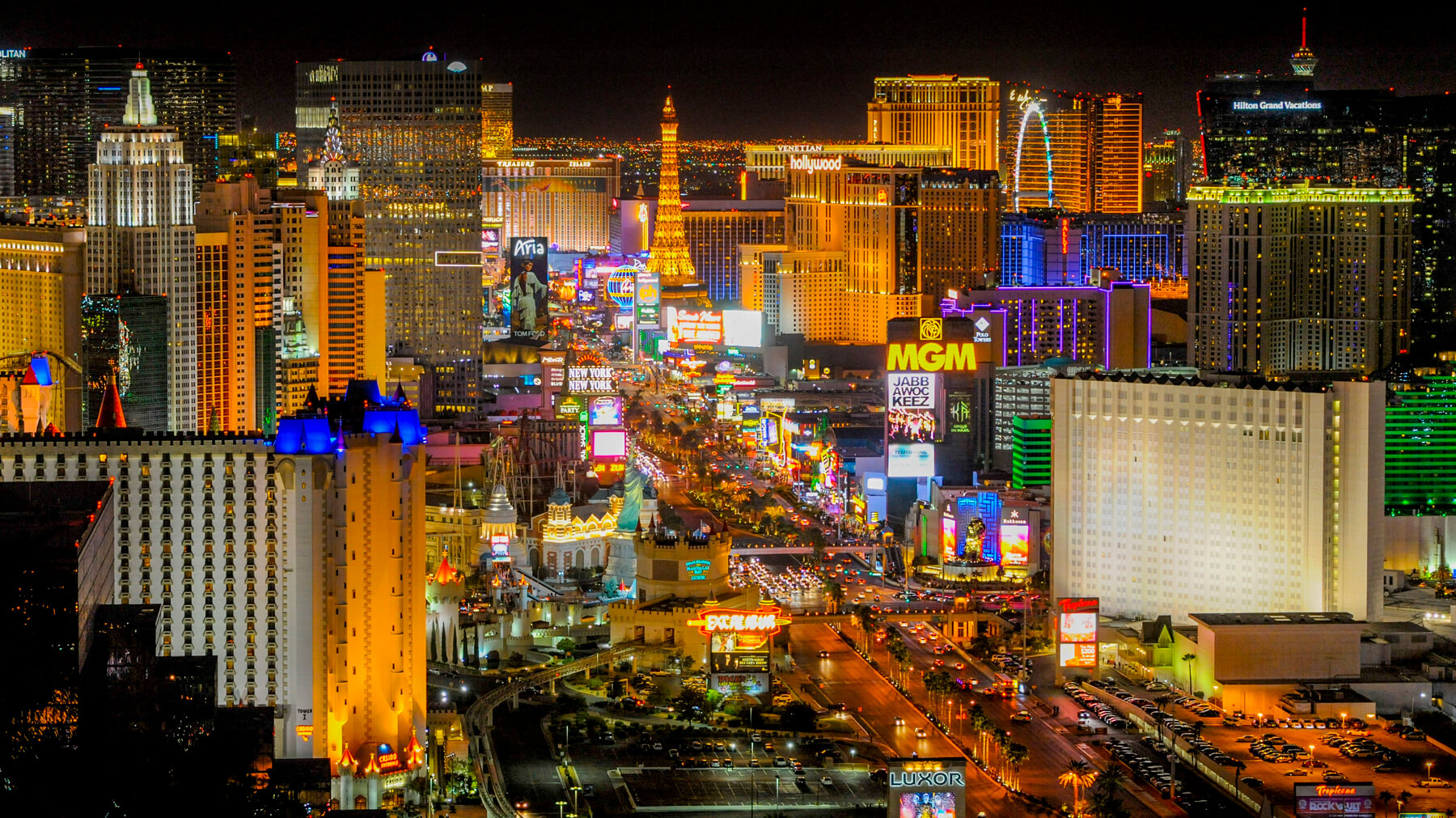
The 1990s heralded the era of the “mega-resort,” a period that saw the construction of massive, themed properties designed to be self-contained universes. Developers began to replace aging structures with colossal edifices like The Mirage, which brought a tropical volcanic experience to the desert floor. This trend continued with the opening of MGM Grand, Treasure Island, and The Venetian, turning the Strip into a global destination where guests could travel from the streets of Paris to the canals of Venice within a single afternoon.
Architectural Marvels and Thematic Landscapes
The Strip is essentially an architectural open-air museum where the rules of traditional city planning are discarded in favor of spectacle and immersion. Each property competes for attention through massive scale, intricate lighting, and thematic cohesion.
Iconic Landmarks and Structures
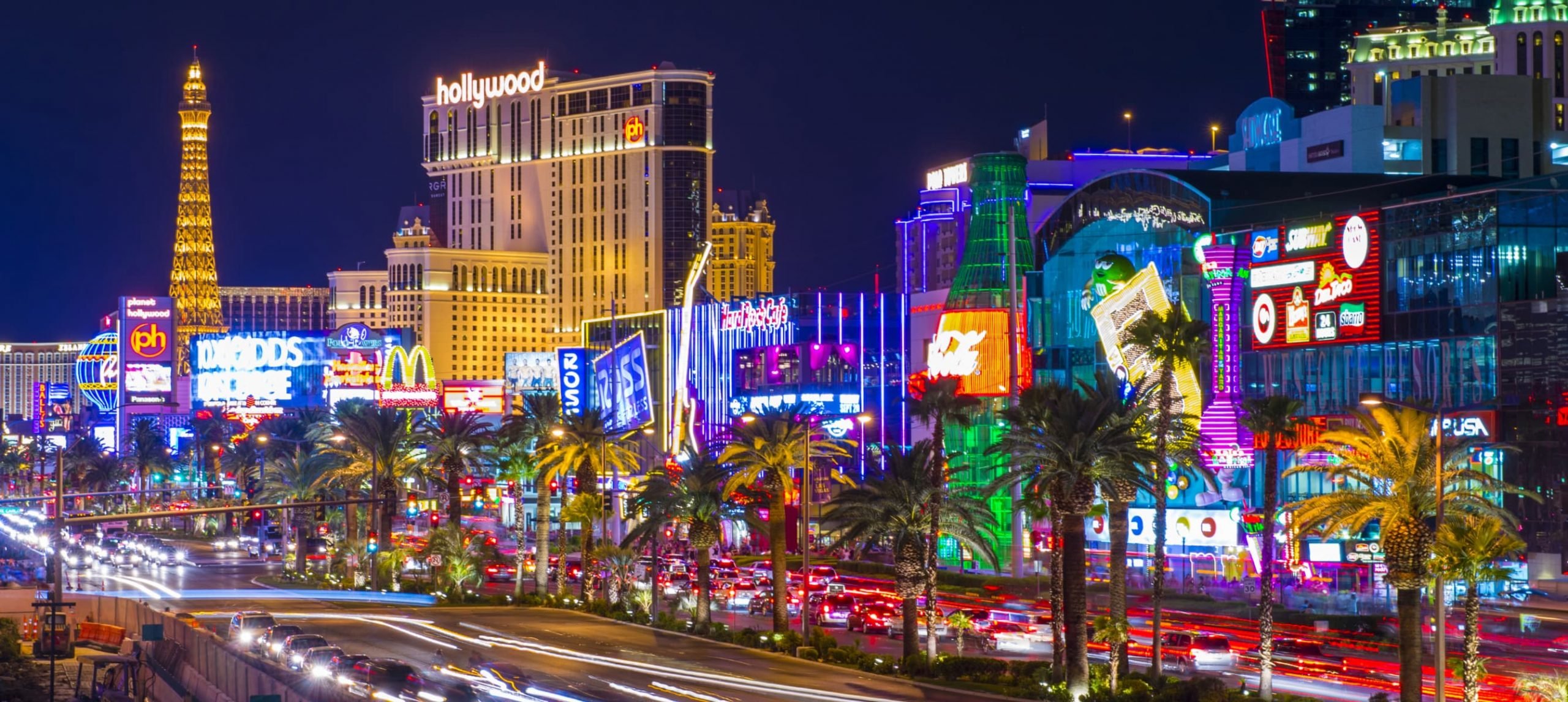
Walking down the Strip provides a sensory overload unlike any other travel destination. You might pass the Bellagio with its world-famous dancing fountains, then move toward the Eiffel Tower replica sitting atop Paris Las Vegas. The Caesars Palace complex offers a Roman-inspired aesthetic that spans acres, while the Luxor presents a giant black glass pyramid that stands as a testament to the city’s penchant for the theatrical.
Beyond the Gaming Floor
While gaming remains a foundational element, the modern Strip has shifted its focus heavily toward luxury amenities. Visitors come for the World Class Dining experiences provided by celebrity chefs, high-end shopping at the Forum Shops, and residency performances from world-renowned musical acts. Modern resorts like Wynn Las Vegas and Encore emphasize elegant interiors and lush landscapes, proving that the Strip has matured into a sophisticated destination for affluent travelers.
Navigating the Strip: A Guide for Visitors
The sheer scale of the Strip can be daunting for the uninitiated. Understanding the layout and the various methods of transportation is crucial for maximizing your time.
Walkability and Pedestrian Bridges
Despite its appearance as a pedestrian-friendly boulevard, the Strip is massive. Distances between properties are deceptive due to their immense size. To combat this, the city has installed an extensive system of elevated pedestrian bridges that allow tourists to cross major intersections like the Las Vegas Boulevard and Tropicana Avenue junction safely. While walking is the best way to soak in the atmosphere, it is advisable to wear comfortable footwear, as logging five to ten miles a day is common for casual explorers.
Transportation Options
For those who prefer not to walk, the Las Vegas Monorail provides a convenient transit route behind the resorts on the east side of the Strip. Additionally, the Deuce bus service runs 24/7 along the length of the boulevard, making it an affordable option for reaching Downtown Las Vegas and the Fremont Street Experience. Rideshare services and taxis are also ubiquitous, though traffic congestion during peak hours or major events can significantly slow transit times.
A Global Hub for Entertainment and Events
The Strip is no longer just about the casinos; it has become the sports and entertainment capital of the United States.
The Rise of Sports Tourism
The recent addition of the Allegiant Stadium and the establishment of professional sports franchises have fundamentally changed the area’s identity. Events like the Formula 1 Las Vegas Grand Prix demonstrate how the Strip can be transformed into a world-class arena. Fans from around the globe now flock to the area to see their favorite teams play in venues that integrate seamlessly with the hotel infrastructure, creating a synergy between spectator sports and vacation leisure.
Nightlife and Cultural Impact
The nightlife on the Strip is legendary, featuring some of the world’s most exclusive nightclubs and day clubs. From the high-energy pools at Cosmopolitan of Las Vegas to the intimate lounges found throughout the Resorts World complex, there is an endless variety of social experiences. The area’s influence on global culture is undeniable; it has been the setting for countless films, books, and television shows, cementing its status as a permanent fixture in the collective consciousness of modern society.
Planning Your Visit
When planning a trip, consider the seasonal climate of the Southwest. Summers can be incredibly hot, making indoor activities and pool complexes essential, while the spring and autumn months offer perfect weather for walking the Strip. Regardless of when you visit, the Las Vegas Strip promises an experience that is consistently evolving, ensuring that even frequent visitors find something new, daring, and unexpected on every return trip. Whether you are seeking the thrill of the tables, the taste of Michelin-starred cuisine, or simply the chance to witness the electric energy of one of humanity’s greatest creations, the Strip remains an essential destination.
LifeOutOfTheBox is a participant in the Amazon Services LLC Associates Program, an affiliate advertising program designed to provide a means for sites to earn advertising fees by advertising and linking to Amazon.com. Amazon, the Amazon logo, AmazonSupply, and the AmazonSupply logo are trademarks of Amazon.com, Inc. or its affiliates. As an Amazon Associate we earn affiliate commissions from qualifying purchases.