
Navigating the economic landscape of Las Vegas requires a nuanced understanding of the labor laws that govern the service-heavy economy of the world’s entertainment capital. For those considering a move to this desert metropolis, or for professionals evaluating the cost of living versus potential earnings, the minimum wage is the primary metric for financial planning. Because Nevada operates under a two-tiered system linked to health benefits, the “minimum wage” is rarely a single, static figure for every employee.
Understanding Nevada’s Tiered Minimum Wage System
Unlike many states that follow federal minimum wage mandates, Nevada has established a robust constitutional framework that adjusts the minimum hourly wage based on whether or not an employer provides qualified health benefits to their staff. This system is designed to incentivize businesses—particularly large-scale resorts and hospitality giants—to provide comprehensive medical coverage to their workforce.
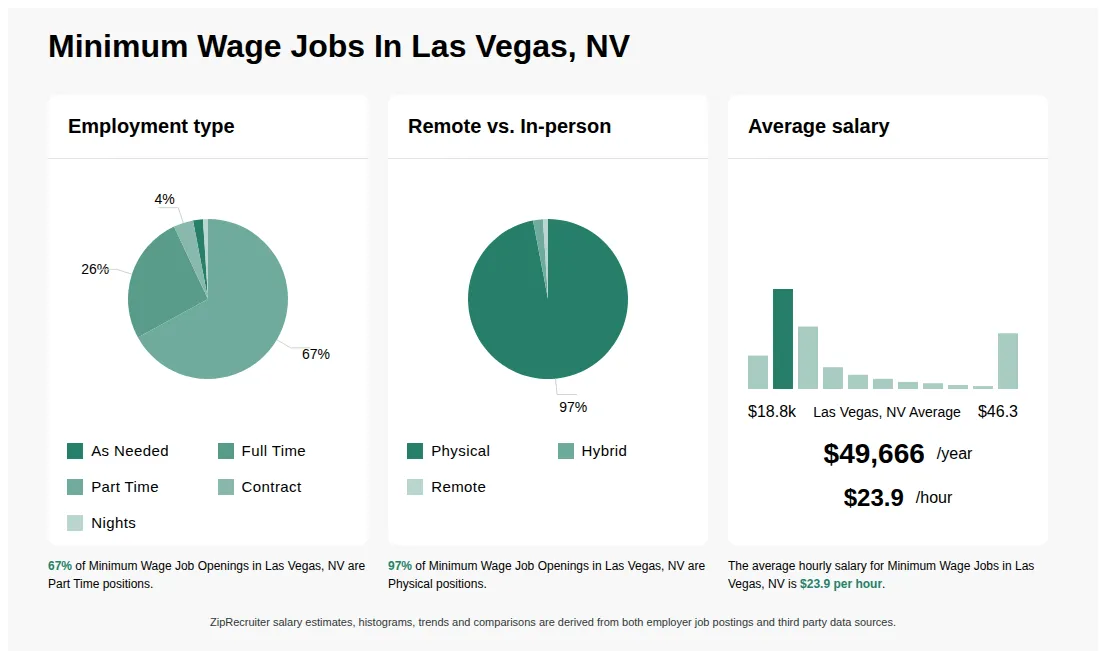
The Two-Tiered Structure
As of recent legislative updates, the state has been on a trajectory to increase the minimum wage annually until it reaches a standardized floor. The current law distinguishes between:
- Employees offered qualified health benefits: Employers who provide health insurance to their employees (where the cost of the premium paid by the employee does not exceed a certain percentage of their gross taxable income) are permitted to pay a lower base hourly rate.
- Employees not offered health benefits: Employers who do not provide such benefits are required to pay a higher base hourly rate to compensate for the employee’s out-of-pocket medical costs.
This structure is a critical factor for workers looking for employment at iconic landmarks like the Bellagio or the Caesars Palace. Most major hospitality employers on the Las Vegas Strip offer competitive health packages, which places their baseline pay at the lower of the two state-mandated tiers.
Economic Impacts on the Hospitality Workforce
The hospitality sector is the lifeblood of Nevada. From the sprawling gaming floors of the MGM Grand to the boutique dining experiences found throughout Downtown Las Vegas, thousands of employees rely on the minimum wage as a starting point for their compensation packages.
The Role of Tips and Gratuities
One of the most frequently asked questions regarding wages in this city concerns tips. It is important to note that under Nevada state law, employers are prohibited from counting tips or gratuities toward the minimum wage obligation. Unlike some states where “tipped minimum wage” allows for lower base pay, service workers in Las Vegas must receive the full minimum wage regardless of how much they earn in tips.
For a bartender working at The Cosmopolitan of Las Vegas or a valet at The Venetian, the minimum wage is merely the guaranteed floor, while tips represent the variable, often lucrative, portion of their total take-home pay. This legal protection is one reason why the city remains a magnet for service industry professionals from across the United States.
Overtime and Labor Protections
In addition to the hourly wage, the Nevada labor code provides strict rules regarding overtime. Employees who earn less than one and a half times the minimum wage are generally entitled to overtime pay at a rate of 1.5 times their regular wage for any hours worked over 40 in a workweek, or over 8 hours in a workday. For shift workers at massive properties like Wynn Las Vegas, these labor protections ensure that the intensive nature of 24/7 operations is compensated fairly.
Cost of Living and Wage Viability
While the minimum wage in Nevada has seen incremental increases, workers must balance these figures against the rising cost of living in the Las Vegas Valley.
Housing and Transportation
As the population grows, the demand for housing near major employment hubs has driven up rental prices. Workers living in proximity to the Las Vegas Strip often find that their hourly earnings are heavily directed toward housing costs. However, compared to other major tourist destinations like Los Angeles or New York City, the tax environment in Nevada—specifically the lack of a state personal income tax—allows employees to retain a larger portion of their paycheck.
Budgeting for the Service Professional
For those moving to the area to work in tourism, budgeting is essential. The minimum wage should be viewed as a baseline, but the total “value” of a job often includes:
- Employer-sponsored health, dental, and vision insurance.
- Union contracts: Many workers at major resorts are members of the Culinary Workers Union, which negotiates wages significantly higher than the state minimum, alongside robust benefits.
- Retirement contributions: Large properties often provide 401(k) matching programs that enhance total compensation packages.
Navigating Future Wage Adjustments
Nevada is currently committed to a legislative roadmap that continues to adjust the minimum wage annually to account for inflation and cost-of-living increases. For job seekers, this means that the wages advertised today will likely shift upward in the coming years.
Where to Find Current Wage Information
Because wage laws can be subject to change through both constitutional amendments and state legislative action, it is prudent for both employers and employees to consult the Nevada Department of Business and Industry. Their Office of the Labor Commissioner provides the most current, legally binding posters and documentation that all employers in Las Vegas are required to display in the workplace.

The Outlook for Hospitality Careers
The labor market in Nevada remains dynamic. As tourism continues to rebound and expand—with new venues like the Sphere changing the city’s skyline—the demand for skilled labor keeps wage pressure positive. Whether you are seeking a career in gaming, culinary arts, or hotel management, understanding the minimum wage is the first step in building a successful life in the desert. While the state-mandated minimum provides the bottom-line security, the unique economic structure of this city allows motivated individuals to significantly exceed that floor through professional advancement and the inherent benefits of a high-volume, global tourism hub.
Ultimately, knowing what the minimum wage is in Las Vegas is about more than just a dollar amount; it is about understanding the foundational rights and protections afforded to those who keep the neon lights of the world’s most famous desert city glowing around the clock. By staying informed on labor laws and taking advantage of the unionized environments that define much of the hospitality sector here, workers can effectively navigate the financial landscape of one of the most exciting job markets in the North America region.
LifeOutOfTheBox is a participant in the Amazon Services LLC Associates Program, an affiliate advertising program designed to provide a means for sites to earn advertising fees by advertising and linking to Amazon.com. Amazon, the Amazon logo, AmazonSupply, and the AmazonSupply logo are trademarks of Amazon.com, Inc. or its affiliates. As an Amazon Associate we earn affiliate commissions from qualifying purchases.