
When travelers set their sights on Las Vegas, they are often preoccupied with the neon lights of the Las Vegas Strip, the world-class entertainment, and the shimmering desert heat. However, beneath the glamour of the casinos and the bustle of the Nevada tourism industry lies a significant geographical reality: the city’s elevation. Understanding the height at which Las Vegas sits above sea level is not just a trivia point; it is a vital factor in understanding the climate, the landscape, and the physical experience of visiting this iconic United States destination.
Understanding the Topography of the Mojave Desert
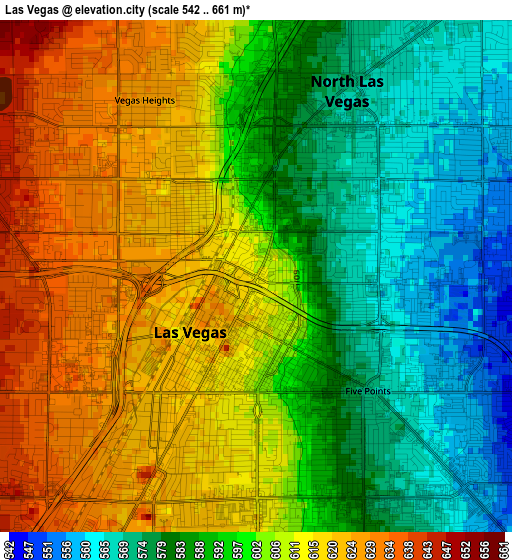
The elevation of Las Vegas is not a single, uniform number, but rather a range that reflects the city’s dramatic Mojave Desert setting. On average, the heart of the city sits at approximately 2,000 feet, or roughly 610 meters, above sea level. This elevation is significant because it places the Clark County region in a unique transition zone between the high desert plateaus and the lower-lying basins that characterize the southwestern landscape.
The Valley Floor and Surrounding Ranges
The city is situated in a basin, specifically the Las Vegas Valley, which is surrounded by several prominent mountain ranges. These peaks, including the Spring Mountains to the west and the Sheep Range to the north, create a “rain shadow” effect that keeps the valley floor exceptionally dry. While the Las Vegas Strip feels relatively flat, the city actually slopes gently upward toward the base of these mountains.
The Impact of Elevation on Climate
This altitude plays a critical role in the region’s famous heat. Unlike coastal cities where the marine layer moderates temperatures, Las Vegas is insulated by its elevation and the surrounding terrain. In the summer months, the thin, dry air at this elevation absorbs heat rapidly throughout the day, while the lack of humidity allows for a quick drop in temperature once the sun sets behind Mount Charleston. Travelers visiting from lower elevations may find that their bodies need time to adjust to the drier, thinner air, particularly when engaging in outdoor activities.
Geographical Contrasts: From Valley Floor to Alpine Peaks
One of the most compelling aspects of visiting Las Vegas is the massive variation in elevation within a short driving distance. A visitor can start their morning at a resort on the Las Vegas Strip at 2,000 feet and, within forty-five minutes, reach elevations that feel entirely removed from the desert floor.
High Altitude Escapes
Mount Charleston, located in the Spring Mountains, rises to an impressive elevation of nearly 12,000 feet. This drastic climb from the valley floor allows for an ecosystem shift that surprises many tourists. While the Las Vegas Valley is dominated by cacti and scrub brush, the higher elevations of the Spring Mountains are characterized by pine forests, cool breezes, and even snow during the winter months. This geographical diversity is a testament to how altitude dictates the physical environment of Nevada.
Exploring Red Rock Canyon
For outdoor enthusiasts, Red Rock Canyon National Conservation Area provides a perfect example of elevation change. Located just a short distance from the Las Vegas Strip, the canyon features dramatic sandstone cliffs that soar thousands of feet above the surrounding desert basin. Exploring these trails offers a firsthand look at how the geology of North America has been shaped by shifts in elevation and tectonic activity over millions of years.
Practical Considerations for the Traveler
When traveling to a high-elevation destination, even one that is “only” 2,000 feet, there are several practical tips that can enhance the quality of your stay. Many visitors arrive from sea-level cities and underestimate the impact of the environment.
Hydration and Health
The combination of Las Vegas being a desert environment and sitting at an elevation of 2,000 feet means that the air is exceptionally dry. Dehydration can occur much faster here than in more humid climates. Professional guides consistently recommend that visitors double their daily water intake. Furthermore, because of the elevation, the sun’s ultraviolet rays are stronger. Wearing sunscreen, hats, and sunglasses is not just a fashion choice for the Las Vegas Strip; it is a necessity for protecting your skin from the more intense solar radiation found at this altitude.
Fitness and Outdoor Activity
If you are planning to engage in activities like hiking at Red Rock Canyon National Conservation Area or Valley of Fire State Park, keep in mind that the elevation might affect your stamina. While 2,000 feet is not high enough to cause severe altitude sickness for most people, the physical exertion required for climbing, combined with the heat, can make the experience more challenging than hiking at sea level. Listen to your body, take frequent breaks, and monitor your physical response to the environment.
Planning for Seasonal Changes
The elevation also dictates the timing of the best tourist experiences. Winter months in Las Vegas can bring crisp, cold nights that feel significantly chillier than the daytime highs, especially when a breeze sweeps through the Las Vegas Valley from the high-altitude Spring Mountains. Conversely, visitors heading to higher elevations in Nevada during the spring or fall should always pack layers, as the temperature can plummet twenty to thirty degrees once you move from the city floor to the mountain peaks.
The Cultural Landscape of the Desert Basin
Las Vegas has built its identity on defying nature. The construction of massive architectural marvels amidst a harsh desert landscape at this specific elevation remains one of the greatest engineering feats of the United States. The city’s ability to thrive despite the limitations of the Mojave Desert environment is a major draw for architecture and history enthusiasts alike.
Sustainability and the Future
As the city continues to grow, water management and sustainable resource usage remain top priorities for Clark County. The elevation of the Las Vegas Valley plays a role in how water is managed, particularly as the region relies on the Colorado River and Lake Mead for its supply. Understanding the geography and elevation helps visitors appreciate the delicate balance that allows such a large, vibrant metropolis to exist in what is otherwise a vast, arid wilderness.

A Unique Destination
Whether you are interested in the geological history of North America or simply looking for the best time to visit the Las Vegas Strip, knowing that you are standing 2,000 feet above sea level adds a layer of depth to your travel experience. It provides context for the heat, the landscape, and the incredible contrast between the man-made wonders of the city and the natural beauty of the Spring Mountains. Next time you find yourself at the Bellagio or hiking through the Red Rock Canyon National Conservation Area, take a moment to look at the horizon and recognize the unique elevation that makes this Nevada oasis so special.
LifeOutOfTheBox is a participant in the Amazon Services LLC Associates Program, an affiliate advertising program designed to provide a means for sites to earn advertising fees by advertising and linking to Amazon.com. Amazon, the Amazon logo, AmazonSupply, and the AmazonSupply logo are trademarks of Amazon.com, Inc. or its affiliates. As an Amazon Associate we earn affiliate commissions from qualifying purchases.