
For many residents and frequent visitors to the neon-lit streets of Las Vegas, the city represents a unique intersection of high-stakes entertainment and practical daily living. While the Las Vegas Strip offers an endless array of gourmet dining, fine-dining experiences, and high-end room service, those who live in the surrounding valleys often find themselves searching for the familiar efficiency of a discount grocery chain. Among the most requested retailers in the United States is Aldi, a brand synonymous with affordability and streamlined shopping experiences.
The Current Landscape of Grocery Retail in Nevada
The grocery market in Nevada has seen significant evolution over the past decade. As the population in the Las Vegas Valley continues to expand, the demand for varied retail options has grown in tandem. Residents currently rely on a mix of established regional chains and national big-box retailers to handle their weekly provisions.
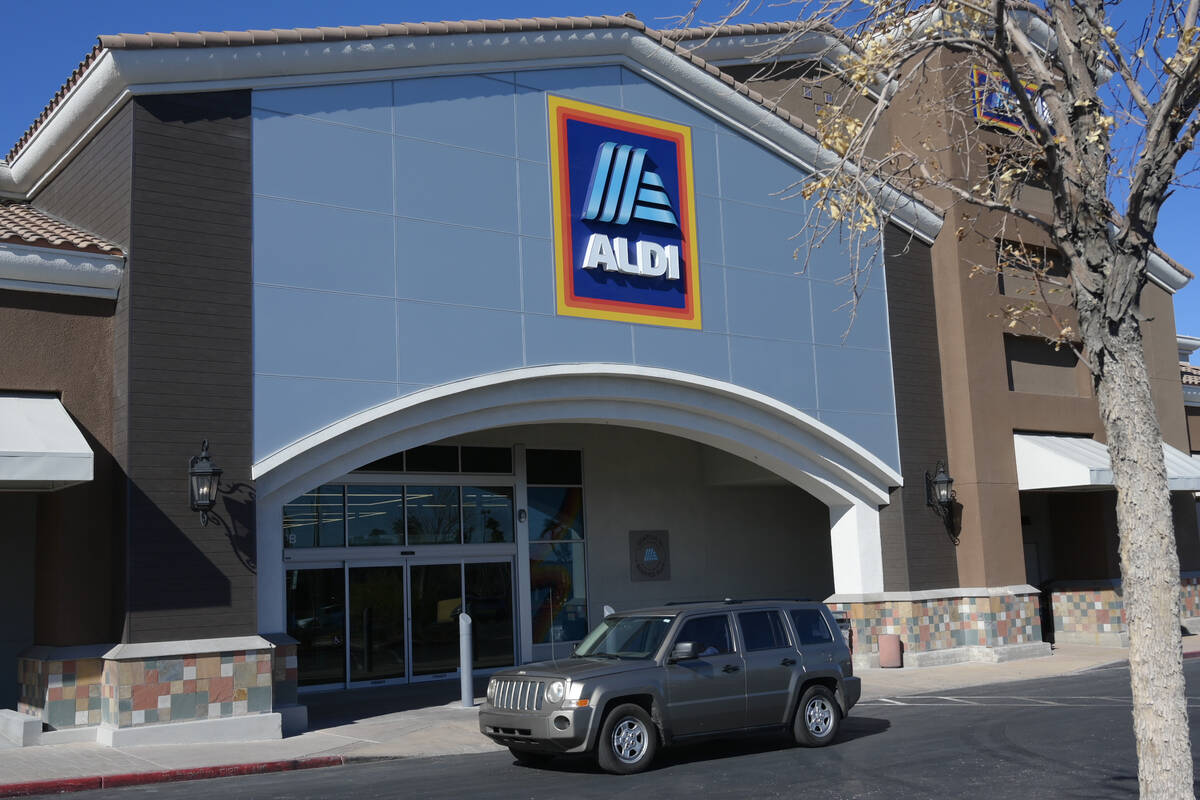
Navigating the Local Market
Shoppers in this desert metropolis have become accustomed to the wide footprint of Smith’s, Vons, and Trader Joe’s. However, the specific business model employed by Aldi Nord and Aldi Sud offers a distinct value proposition—smaller footprints, high-quality private-label goods, and a rapid checkout process that differentiates it from the sprawling, multi-aisle superstores typical of the Southwest.
Why the Demand for Aldi is Rising
The fascination with this particular retailer stems from its ability to offer organic and high-quality staples at prices that are often lower than traditional supermarket chains. For tourists staying in extended-stay properties or local residents looking to manage their budgets amidst the rising cost of living, the arrival of such a brand is seen as a major economic milestone for the local community.
Assessing the Timeline for Market Entry
As of the current date, Aldi has not officially announced a grand opening date for a location within Las Vegas. The company’s growth strategy in the United States has been methodical, often focusing on density in existing markets before branching out into new territories like the Nevada market.
Logistics and Supply Chain Requirements
Retail expansion into a city as unique as Las Vegas requires robust logistical planning. Because the city sits in the middle of a desert, supply chain efficiency is critical. Aldi operates on a highly optimized distribution model that requires proximity to regional warehouses. Until the company can establish a distribution hub capable of servicing the Las Vegas Valley, a physical retail location remains a future prospect rather than an immediate reality.

Strategic Planning and Real Estate
Real estate in Las Vegas is highly competitive. Developers and the corporate team behind Aldi must find land that balances traffic flow, accessibility for local residents, and the ability to maintain the brand’s signature building design. Investors in the Southwest are watching the Nevada market closely, as the demographic shift toward more value-conscious shoppers makes it a prime candidate for future development.
Shopping Alternatives for Value-Conscious Residents
While shoppers await a potential groundbreaking announcement, there are several ways to navigate the Las Vegas grocery scene effectively. Whether you are living in Henderson or residing near Summerlin, the options for high-quality, budget-friendly food remain robust.
Leveraging Existing Discount Retailers
Many local shoppers turn to membership-based wholesale clubs, such as Costco, which offer bulk purchasing opportunities that mirror the value found at Aldi. Furthermore, the presence of WinCo Foods in Nevada provides an excellent alternative for those who prioritize low prices and a wide selection of bulk items, effectively bridging the gap while the community waits for new market entries.
The Rise of Delivery and Curbside Services
Even without a local Aldi, the convenience of modern grocery shopping has reached Las Vegas. Many local retailers have invested heavily in digital infrastructure, allowing residents to utilize curbside pickup and rapid delivery. This shift has changed how individuals shop in Southern Nevada, proving that efficiency is no longer tied solely to the physical storefront, but rather to the technological integration of the local retail sector.
What the Future Holds for Las Vegas Retail
The potential arrival of Aldi in Las Vegas would signify a deeper integration of European business models into the American Southwest. As the city moves beyond its reputation as merely a travel destination and solidifies its status as a thriving residential hub, the amenities that support quality of life—like efficient, affordable grocery stores—will become increasingly prominent.
The Impact on Consumer Expectations
Should a location open in the future, it would likely disrupt the current market pricing structures. Competition drives value, and the introduction of a high-efficiency discounter would force established players to sharpen their own pricing and service models. For the average resident of Nevada, this represents a win-win scenario, as the grocery wars often translate into better deals for the end consumer.

Staying Updated on Expansion News
For those eager for updates, monitoring the official Aldi corporate press releases and local Las Vegas real estate filings remains the most accurate way to anticipate market entry. While no dates are currently on the calendar, the continuous growth of the Las Vegas Valley ensures that the area remains on the radar for any national retailer looking to expand its footprint in the United States. As the region continues to mature, shoppers can remain hopeful that the specific brand of retail excellence found at Aldi will eventually find a home beneath the bright lights of the desert.
LifeOutOfTheBox is a participant in the Amazon Services LLC Associates Program, an affiliate advertising program designed to provide a means for sites to earn advertising fees by advertising and linking to Amazon.com. Amazon, the Amazon logo, AmazonSupply, and the AmazonSupply logo are trademarks of Amazon.com, Inc. or its affiliates. As an Amazon Associate we earn affiliate commissions from qualifying purchases.