
The evolution of the Las Vegas Strip is a tapestry woven with ambition, grandeur, and the relentless pursuit of excess. Among the many architectural marvels that define this desert oasis, few carry the cultural weight or the iconic status of Caesars Palace. To understand the history of this monumental resort is to understand the transformation of Las Vegas, Nevada, from a dusty outpost into the entertainment capital of the world.
The Genesis of an Icon: 1966 and the Roman Vision
The story of Caesars Palace began in the early 1960s, driven by the vision of a man named Jay Sarno. A former hotelier from Miami, Florida, Sarno was not content with the standard motel-style accommodations that dominated the United States at the time. He envisioned a resort that transported guests not just to a hotel, but to an entirely different era and civilization: the height of the Roman Empire.

Breaking Ground on the Strip
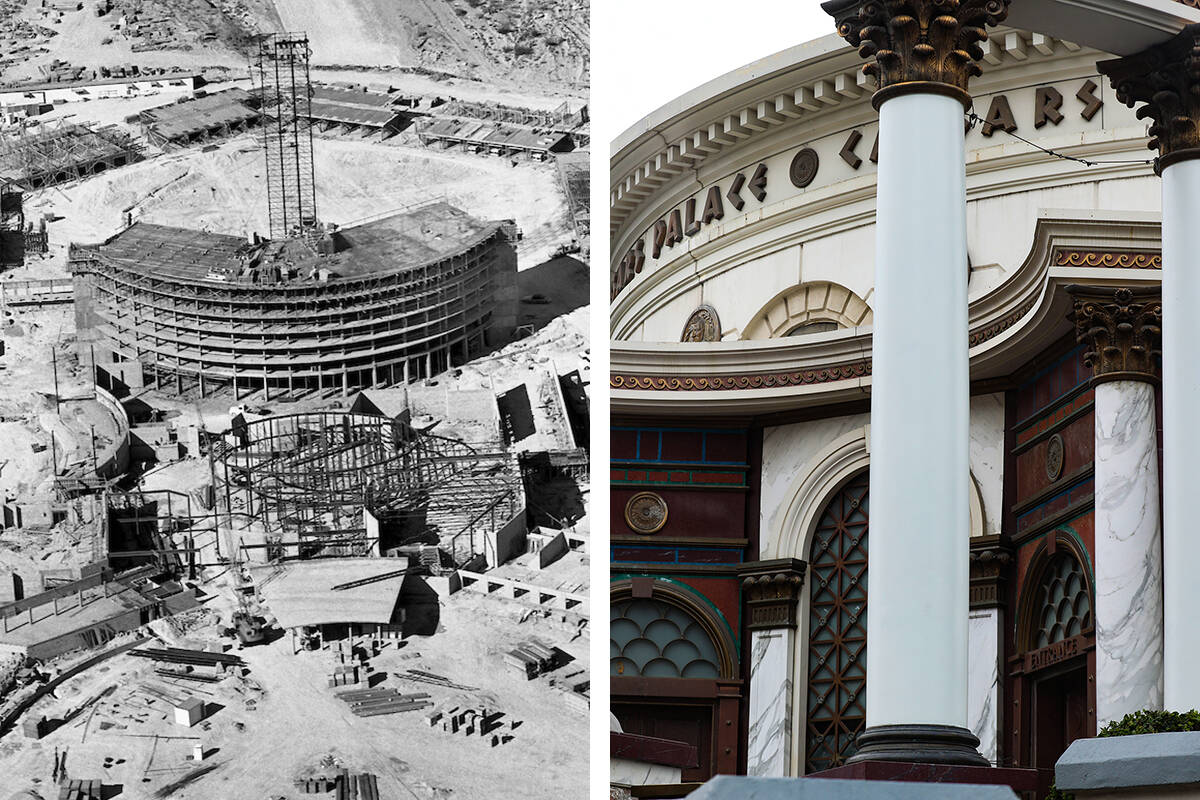
Construction of the original hotel began in 1962, but the grand opening did not occur until August 5, 1966. The cost of the endeavor was estimated at $24 million—a staggering figure at the time—which allowed Sarno to incorporate opulent marble, intricate mosaics, and sprawling water features that had never been seen before in the Western Hemisphere. When the doors finally opened, the hotel featured 680 rooms and was immediately heralded as the most luxurious hotel in the Americas.
The Roman Theme as a Marketing Masterpiece
Sarno believed that all guests wanted to feel like royalty. By naming the hotel Caesars Palace rather than “Caesar’s Palace,” he intended for every visitor to feel as though they were a Caesar themselves. The apostrophe was intentionally omitted because no one guest was intended to own the palace; rather, it was a home for all guests. This psychological hook, combined with the neoclassical architecture and staff dressed in Roman-inspired uniforms, solidified the property as a landmark of themed hospitality.
Expansion and Evolution: Shaping the Modern Resort
The original 14-story hotel tower was merely the seed from which a massive urban complex would grow. Throughout the late 1960s and 1970s, Caesars Palace underwent constant renovation and expansion to keep pace with the rapidly changing tastes of tourists arriving from California and beyond.
Adding Tower After Tower
As demand surged, the hotel added the Centurion Tower in 1970, followed by the Forum Tower in 1979. These additions allowed the resort to accommodate an ever-increasing influx of high-rollers and leisure travelers. By the time the 1980s rolled around, Caesars Palace was no longer just a hotel; it was a self-contained city. The introduction of the Forum Shops at Caesars in 1992 proved to be a watershed moment in the history of retail, blending high-end shopping with an immersive, sky-painted environment that simulated a permanent afternoon in ancient Rome, Italy.

Landmark Events and Cultural Impact
Beyond its architecture, Caesars Palace became synonymous with world-class events. The resort’s parking lot famously served as the site of the Caesars Palace Grand Prix, a Formula One race that brought international prestige to the property. Furthermore, the Colosseum at Caesars Palace revolutionized the entertainment industry by pioneering the modern “resident headliner” concept, hosting superstars like Celine Dion, Elton John, and Adele.
Preservation and Architectural Significance
While the original 1966 structure has been heavily modified and surrounded by newer, taller additions, the legacy of the original design remains intact. The hotel stands as a testament to the mid-century modern aesthetic fused with kitsch, a combination that has defined Nevada architecture for decades.
Adapting to the 21st Century
Today, Caesars Palace is owned by Caesars Entertainment, which has invested billions in maintaining the “Palace” persona while upgrading the amenities to meet contemporary standards of luxury. The Octavius and Augustus towers, built in the 21st century, represent the cutting edge of modern hotel design, yet they still pay homage to the Roman motifs established by Jay Sarno over fifty years ago.
Why the History Matters
Visitors often wonder about the specific construction dates of Las Vegas icons because these dates represent the transition from the mob-era resorts of the mid-20th century to the corporate-run entertainment giants of today. Caesars Palace acts as the bridge between these two eras. It survived the shifts in ownership, the boom of the 1990s, and the economic recessions that shuttered many other older resorts.
A Living Monument in the Desert
Caesars Palace stands today as more than just a destination for gambling or dining. It is a historical record of American consumerism and architectural ambition. From the moment it opened in 1966, it raised the bar for what a resort could be.
The Enduring Appeal of the Roman Theme
Many critics initially scoffed at the idea of a Roman-themed resort in the middle of the Mojave Desert. Yet, decades later, the theme remains fresh. This is largely because the resort succeeded in creating an “otherworldly” experience. Whether it is the Garden of the Gods Pool Oasis or the massive statues of Julius Caesar that greet visitors at the entrance, the level of detail remains consistent with Sarno’s original, uncompromising vision.
Future Perspectives
As Caesars Palace looks toward the future, it balances its storied past with the needs of a new generation of travelers. While the building that opened in 1966 has seen extensive renovations, the spirit of the original Caesars Palace is woven into the very fabric of the Las Vegas Strip. It reminds us that architecture in Las Vegas is never truly finished; it is a living, breathing entity that constantly reimagines itself to stay relevant.
For any traveler or history buff visiting Nevada, Caesars Palace remains an essential stop. It is a place where the history of 1966 meets the technological marvels of the current decade, proving that some landmarks do not just grow old—they grow into their status as true legends of the West. By understanding its origins, one gains a deeper appreciation for every marble column, every water fountain, and every suite that makes up this enduring kingdom of the desert.
LifeOutOfTheBox is a participant in the Amazon Services LLC Associates Program, an affiliate advertising program designed to provide a means for sites to earn advertising fees by advertising and linking to Amazon.com. Amazon, the Amazon logo, AmazonSupply, and the AmazonSupply logo are trademarks of Amazon.com, Inc. or its affiliates. As an Amazon Associate we earn affiliate commissions from qualifying purchases.