
The image of Las Vegas is almost universally etched in the mind as a sun-drenched oasis, a neon-lit playground rising from the arid floor of the Mojave Desert. For the millions of tourists who descend upon the Las Vegas Strip each year, the primary climatic expectation is heat and perpetual sunshine. However, the desert is a fickle ecosystem, and the question of when it last rained in this vibrant metropolis is a reminder of the delicate balance between urban sprawl and the extreme environmental conditions of Nevada.
The Myth of the Rainless City
To understand rainfall in Las Vegas, one must first dispel the myth that it never rains. While it is one of the driest cities in the United States, it is by no means immune to precipitation. The city averages roughly four inches of rain per year, a figure that is often achieved not through gentle, prolonged drizzles, but through high-intensity, short-duration bursts known as “monsoonal events.”
The Monsoonal Influence
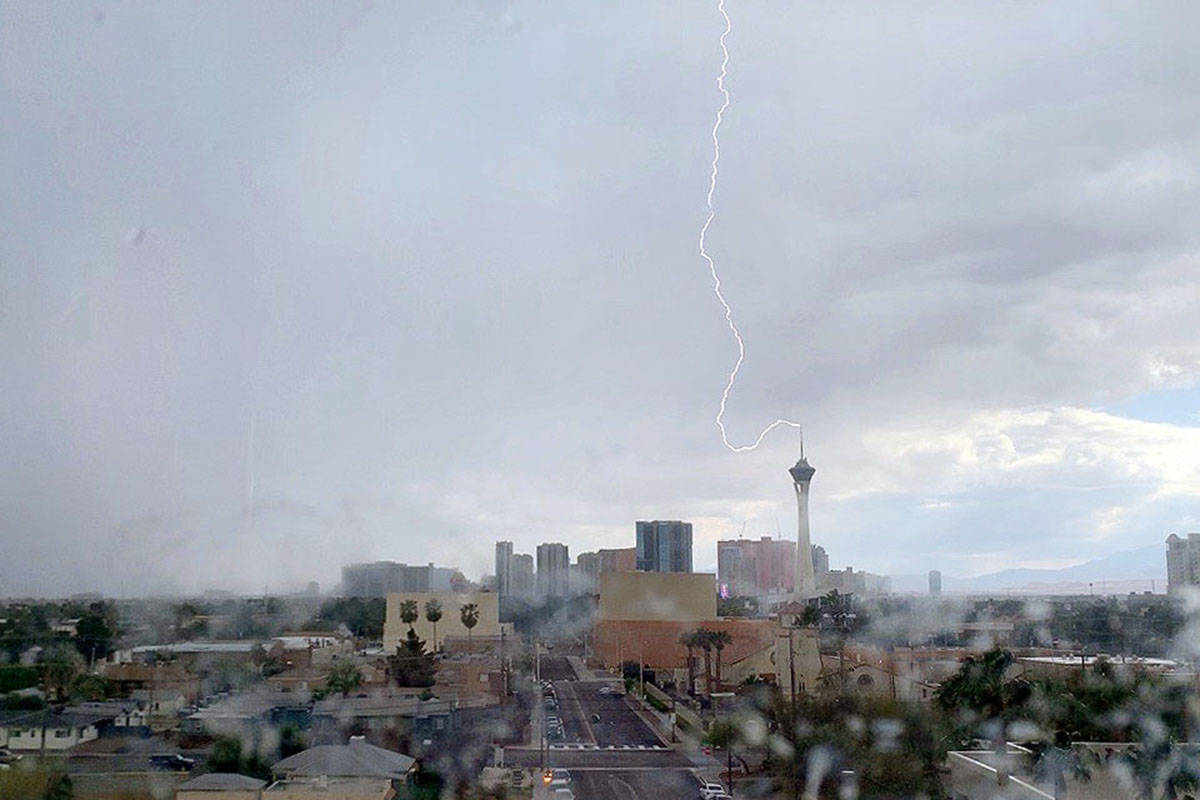
During the late summer months, typically between July and September, moisture from the Gulf of California or the Gulf of Mexico is pulled northward. These moisture-rich air masses collide with the intense heat generated by the surrounding Spring Mountains, leading to sudden, violent thunderstorms. When these storms hit the paved heat-island of the city, the results can be dramatic. The rain often falls faster than the drainage infrastructure—or the dry, baked earth—can absorb, leading to localized flash flooding.
Why “Last Rained” Is a Tricky Metric
In a city as sprawling as this, rainfall is rarely uniform. You might find yourself standing in front of the Bellagio Hotel and Casino under a cloudless sky, while three miles away in Henderson, the sky is unleashing a torrent. Because the National Weather Service tracks official precipitation at Harry Reid International Airport, that specific data point is the only one that officially counts as the city’s “last rain.” Any minor sprinkling elsewhere is often dismissed by meteorologists as a localized event rather than a city-wide meteorological record.
Managing Water in an Arid Landscape
The rarity of rain has forced local planners and Nevada officials to master the art of water conservation and management. While the average tourist might spend their time lounging by the pool at Caesars Palace or wandering through the The Venetian Resort Las Vegas, there is a sophisticated logistical operation working behind the scenes to sustain the city’s water supply.
The Role of Infrastructure
When rain does fall, the Las Vegas Valley is engineered to prevent catastrophe. The system of wash channels—natural and man-made pathways—serves to divert runoff away from the densely populated areas and resorts. This is critical because, unlike cities in the Pacific Northwest where the soil is porous and vegetation acts as a sponge, the dry, crusty ground of Clark County repels water almost like concrete.

Conservation vs. Consumption
The irony of Las Vegas is that despite its extreme aridity, the city is surprisingly efficient with the water it uses. Most of the indoor water used at resorts like MGM Grand is recycled through sophisticated water reclamation systems. The rain, when it does arrive, is a double-edged sword: it provides a brief, refreshing respite from the Nevada heat, but it is rarely enough to replenish the Lake Mead reservoir, which remains the primary lifeline for the region.
The Impact on Tourism and Lifestyle
Rain in this city is a “stop the presses” event. It drastically changes the rhythm of daily life. When the clouds gather over the Red Rock Canyon, the vibrant hues of the sandstone cliffs deepen, creating a photography opportunity that many locals cherish. However, for those visiting for a weekend, a rainy day can feel like a disruption to the typical outdoor pool agenda.
Adapting to Inclement Weather
When rain hits, the tourism industry pivots instantly. Outdoor attractions like the High Roller Observation Wheel may temporarily suspend operations for safety, while the indoor hubs become significantly more congested. Tourists naturally flock to the expansive indoor shopping promenades, such as the Grand Canal Shoppes or the Forum Shops at Caesars.
The Aesthetic of the Desert Storm
There is something undeniably cinematic about a storm over the desert. As the rain dissipates, the air quality improves, the dust is scrubbed from the atmosphere, and the view toward the Sierra Nevada mountain range often becomes crystal clear. For those lucky enough to witness a rainstorm from the balcony of a high-rise suite at Wynn Las Vegas, the experience of watching lightning illuminate the vast, dark expanse of the desert valley is a stark, haunting reminder of the power of nature in a place often defined by artificial light.
Climate Patterns and Future Trends
Climate scientists have noted that weather patterns in the American Southwest are becoming increasingly unpredictable. While Las Vegas remains historically dry, the intensity of monsoonal surges and winter rain events appears to be fluctuating.
Preparing for the Unforeseen
The city’s resilience is constantly tested. Drought conditions remain a significant concern for the Colorado River basin, making every drop of moisture that hits the valley floor matter. Whether it last rained yesterday or three months ago, the reality for those living in Nevada is that water is a precious commodity. The rare rainy days serve as a reminder that this neon city is a miracle of engineering and human will, carved into a landscape that was never meant to sustain such a massive population.

Final Thoughts on Desert Weather
If you are planning a trip to Las Vegas, the likelihood of your vacation being ruined by rain is statistically slim. You are far more likely to experience the dry, intense heat of the Mojave Desert than you are to be caught in a downpour. Yet, should the skies turn grey and the rain begin to fall, consider it a rare privilege. Seeing the Las Vegas Strip slick with rain, reflecting the multi-colored lights of the casinos, offers a unique, moody aesthetic that most travelers never get to see. The desert has its own way of reminding us who is in charge, and a sudden, refreshing rain is its most subtle, yet powerful, declaration. Whether you are staying at the Luxor Hotel & Casino or the Circus Circus Hotel and Casino, keep an eye on the horizon; the desert sky in Nevada is always full of surprises.
LifeOutOfTheBox is a participant in the Amazon Services LLC Associates Program, an affiliate advertising program designed to provide a means for sites to earn advertising fees by advertising and linking to Amazon.com. Amazon, the Amazon logo, AmazonSupply, and the AmazonSupply logo are trademarks of Amazon.com, Inc. or its affiliates. As an Amazon Associate we earn affiliate commissions from qualifying purchases.