
The story of the Venetian begins long before the first shovel hit the dirt on the Las Vegas Strip. To understand the significance of this colossal resort, one must look back at the shifting landscape of Nevada tourism in the late 20th century. While the city of Las Vegas was constantly reinventing itself, the vision for this specific property was rooted in the grandeur of Italy.
The Genesis of a Venetian Vision
The project was spearheaded by Sheldon Adelson, the visionary behind Las Vegas Sands. The conceptualization phase was driven by a desire to bring the romance of Venice to the high-desert climate of the United States.
The Sands Hotel Demolition
Before the Venetian Resort could rise, its predecessor had to fall. The Sands Hotel, a legendary haunt for the Rat Pack, stood on the site for decades. In 1996, the iconic tower was imploded, marking the end of a golden era and the beginning of a new chapter of luxury integrated resorts.
Groundbreaking and Construction
Construction officially commenced in 1997. The scale of the build was unprecedented at the time, requiring a massive logistical operation to replicate the intricate Renaissance architecture and the famous canal systems. Thousands of workers labored over the course of two years to bring the vision to life, utilizing high-end materials and authentic artistic craftsmanship imported from abroad.
The Grand Opening: 1999
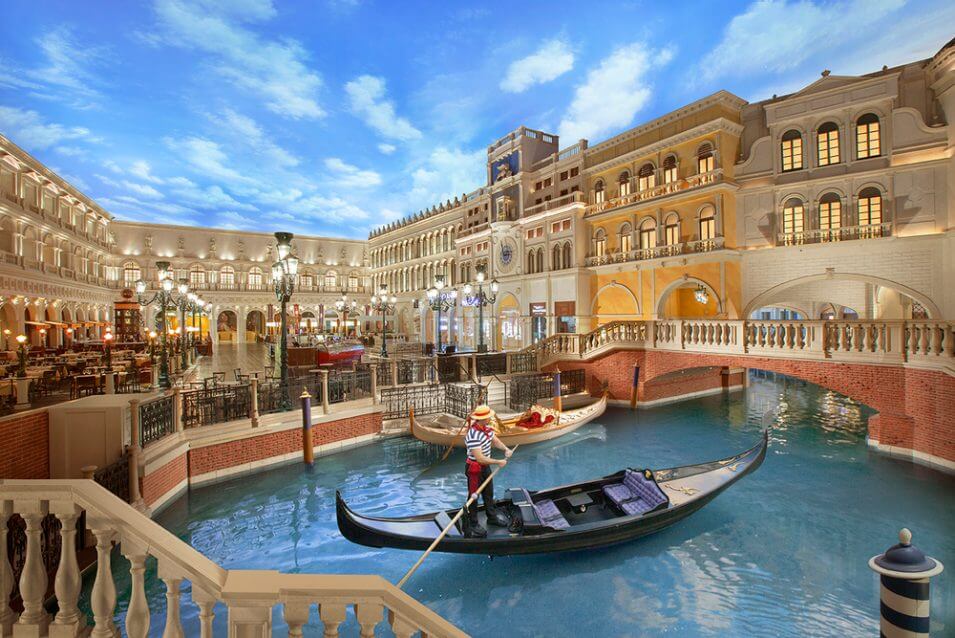
The Venetian officially opened its doors to the public on May 3, 1999. The opening ceremony was a spectacle that reflected the city’s penchant for opulence. Guests were treated to a procession of gondoliers singing in the indoor canals, echoing the traditions of the real Venetian Lagoon.
A New Standard for Luxury
At its inception, the property was unique because it focused exclusively on suite-style accommodations. By moving away from standard hotel rooms, the developers signaled a shift toward high-end travelers who valued space and comfort as much as gaming and entertainment. This strategy helped the resort carve out a distinct niche within the highly competitive Clark County hospitality market.
Integrating the Arts and Culture
The integration of the Guggenheim Hermitage Museum within the complex shortly after its opening solidified the resort’s status as a cultural destination rather than just a casino. It bridged the gap between gambling, world-class dining, and fine art, setting a trend that many other properties on the Las Vegas Boulevard would eventually follow.
Evolution and Expansion

Since its completion in the late 90s, the resort has continued to evolve. A hotel is never truly “finished” in a city that thrives on constant reinvention.
The Palazzo Expansion
In 2008, the property underwent a significant expansion with the opening of the Palazzo. Designed to complement the original structure, the Palazzo added thousands of additional rooms and a high-end shopping experience, the Grand Canal Shoppes. This expansion connected the two properties, creating one of the largest hotel and casino complexes in the world.
Modern Renovations
In the decades since 1999, the interior design and amenities have undergone several rounds of renovation. From updating the suite finishes to modernizing the casino floor technology, the owners have ensured that the property maintains its competitive edge against newer developments like the Wynn Las Vegas and the Encore.
Architectural Significance in the 21st Century
The architectural legacy of the resort is defined by its commitment to thematic immersion. Walking through the lobby, guests are greeted by replicas of the Doges Palace and the Rialto Bridge. This level of detail serves as a masterclass in experiential architecture.
Engineering the Canals
One of the most complex feats of engineering involved the creation of the indoor and outdoor canal systems. Maintaining water quality and creating the illusion of a flowing waterway while keeping the structural integrity of the resort foundations intact required cutting-edge technology. Today, these canals are the most recognizable feature of the property, offering guests a whimsical escape that feels worlds away from the desert sun.
A Landmark for Conventions
The resort is also home to the Venetian Expo, which has played a crucial role in making Las Vegas a global hub for business travel. By integrating massive convention space with luxury accommodations, the property transformed the economic model of the strip, ensuring high occupancy rates even during mid-week periods.

Why the Venetian Remains Relevant
Looking back at the construction timeline, it is clear that the project was a gamble that paid off. By choosing to build a massive, all-suite resort at a time when the industry was still experimenting with mega-resorts, the developers created an enduring icon.
- Longevity through Quality: Unlike some of its contemporaries that have been demolished to make way for new projects, the Venetian has aged gracefully.
- A Destination Within a Destination: Because the complex offers everything from high-end retail to world-class entertainment, it remains a favorite for tourists who prefer not to leave the property.
- Cultural Connection: Despite being located in Nevada, the resort has maintained a strong connection to its namesake in Europe, often hosting events that celebrate Italian heritage.
As the years pass, the resort continues to serve as a benchmark for what a luxury integrated resort should be. Its completion in 1999 was not just the end of a construction project; it was the birth of a new era for Las Vegas. Whether you are visiting for a professional convention, a relaxing vacation, or simply to take a gondola ride through the heart of the strip, the Venetian remains a testament to the power of bold ideas and visionary construction.
The history of the resort is deeply intertwined with the history of the Las Vegas Strip itself. It serves as a bridge between the mob-era history of the Sands Hotel and the corporate-dominated, ultra-luxury future of modern gaming. Its walls hold the stories of millions of travelers, making it not just a building, but a living piece of modern history.
LifeOutOfTheBox is a participant in the Amazon Services LLC Associates Program, an affiliate advertising program designed to provide a means for sites to earn advertising fees by advertising and linking to Amazon.com. Amazon, the Amazon logo, AmazonSupply, and the AmazonSupply logo are trademarks of Amazon.com, Inc. or its affiliates. As an Amazon Associate we earn affiliate commissions from qualifying purchases.