
The shimmering skyline of Las Vegas is more than just a collection of neon lights and high-stakes gaming floors; it is a meticulously curated landscape of corporate power, real estate investment, and strategic hospitality management. While the average visitor to Nevada sees a sprawling playground of excitement, the reality behind the curtains is a sophisticated hierarchy of ownership. Understanding who actually owns the Las Vegas Strip provides a fascinating glimpse into the evolution of the city from a collection of mob-run outposts into a global hub of publicly traded multinational conglomerates.
The Era of the Conglomerates
For decades, the ownership structure of Las Vegas has transitioned away from individual moguls and toward massive, publicly traded corporations. This shift has brought a level of institutional stability and operational scale that was once unthinkable in the early days of the desert oasis.
MGM Resorts International: The Titan of the Strip
MGM Resorts International currently stands as the single largest operator of hotels and casinos on the Las Vegas Strip. Through a series of aggressive acquisitions and real estate investment trust (REIT) strategies, the company controls a significant portion of the city’s guest rooms and gaming revenue. Their portfolio includes iconic landmarks such as the Bellagio, MGM Grand, ARIA Resort and Casino, and Mandalay Bay. By separating their property ownership from their operational management—a process often facilitated by leasing land back from REITs—MGM Resorts International maintains a light asset profile that allows them to pivot quickly in the volatile tourism market.
Caesars Entertainment: A Legacy of Expansion
Caesars Entertainment remains the primary rival to MGM Resorts International. Historically built around the namesake Caesars Palace, the company has grown into a juggernaut that operates a vast array of properties, including Flamingo Las Vegas, Harrah’s Las Vegas, and Planet Hollywood. Their strategy centers on a robust loyalty program, which incentivizes guests to stay, play, and dine exclusively within their ecosystem. The reach of Caesars Entertainment extends well beyond the Nevada border, but their influence on the Las Vegas Strip is undeniably foundational to the city’s current character.
The Changing Face of Property Ownership
A unique trend has emerged over the last decade that alters the traditional understanding of “ownership.” In the past, a casino brand owned the land, the building, and the gambling operations. Today, the landscape is divided between “Operators” and “Landlords.”
The Rise of Real Estate Investment Trusts
The physical land beneath the world’s most famous casinos is increasingly held by separate entities, most notably VICI Properties and Gaming and Leisure Properties. These firms function as the landlords of the Las Vegas Strip. When a guest checks into a room at the Caesars Palace, the hotel management company (the operator) pays rent to the landlord (the REIT). This financial maneuvering allows the operators to focus on hospitality, marketing, and the casino floor, while the landlords collect long-term, inflation-protected lease payments. It is a brilliant financial structure that has fundamentally stabilized the Las Vegas real estate market.

Private Equity and Global Interests
While corporations dominate the headlines, global investment firms and private equity groups often hold significant stakes in the parent companies of these resorts. Furthermore, international interests have made their mark. For example, Las Vegas Sands Corporation, once the powerhouse behind The Venetian and The Palazzo, shifted its focus toward Asian markets like Macau and Singapore, eventually divesting its Las Vegas assets. This sale to Apollo Global Management and VICI Properties highlights how the ownership of these Las Vegas institutions is increasingly globalized and detached from local management.
Iconic Resorts and Their Unique Ownership Tales
Not every resort on the Las Vegas Strip follows the standard corporate mold. Some properties stand out due to their unique history or current ownership structures.
The Wynn and Encore Legacy
Wynn Resorts remains one of the few luxury operators that maintain a highly specific, curated brand identity. Founded by Steve Wynn, the company continues to own and operate both Wynn Las Vegas and Encore Las Vegas. Unlike the sprawling portfolios of their competitors, Wynn Resorts emphasizes a ultra-luxury, high-margin model. Their properties are consistently ranked among the best in the world, proving that even in a corporate-dominated city, there is still immense value in maintaining a singular, uncompromising vision of hospitality.
Independent Landmarks
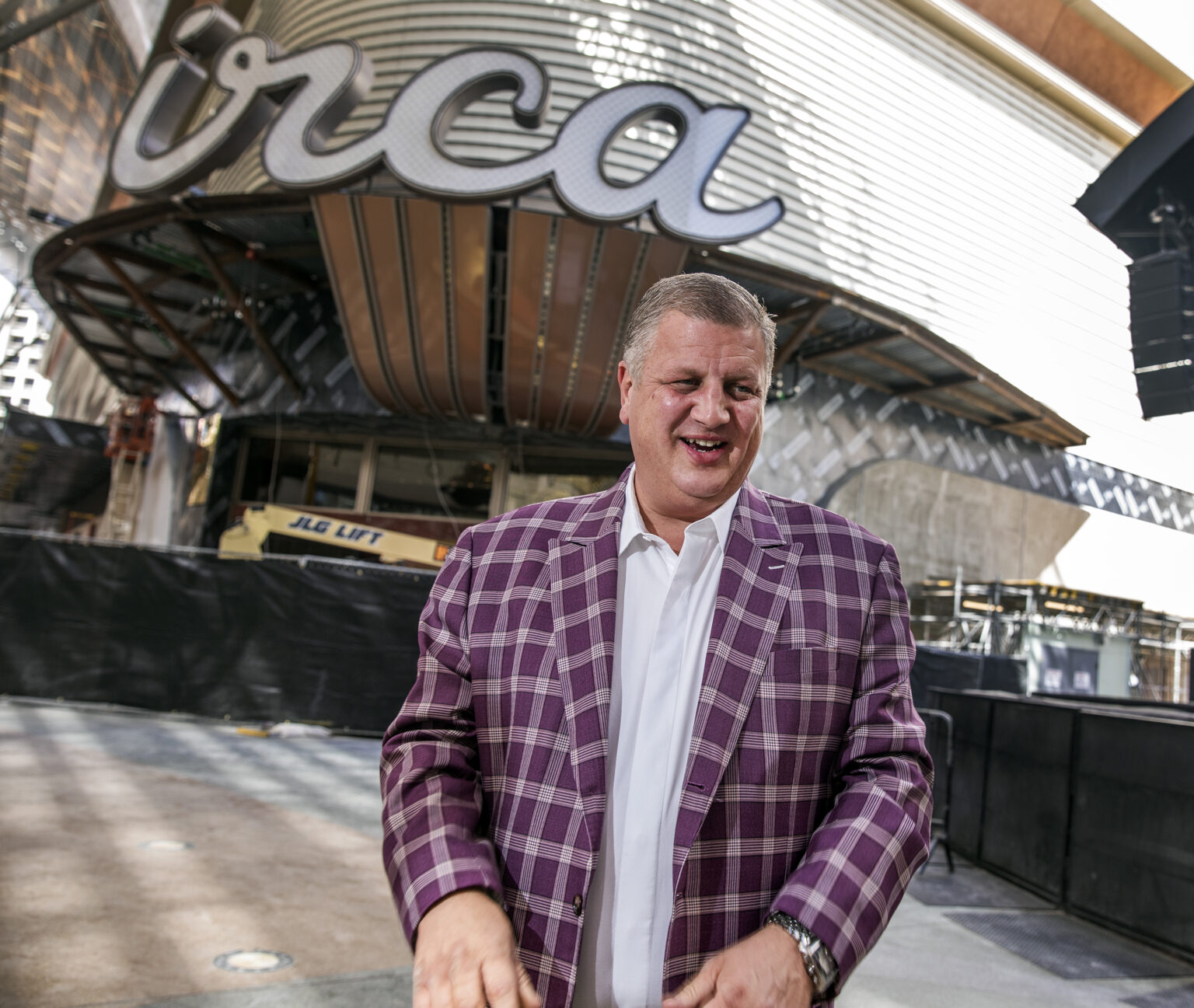
While rarer, some properties maintain a different path. The Sahara Las Vegas, for instance, has undergone various ownership changes and rebranding efforts, moving from a classic mid-century haunt to a modern boutique-style resort. Similarly, Circa Resort and Casino in Downtown Las Vegas is a prime example of a modern, developer-led project that does not fit into the massive REIT structures of the Las Vegas Strip. These independent-minded developments provide a necessary contrast to the corporate landscape, ensuring the city retains a touch of individual character amidst the uniformity of large-scale hospitality.

The Future of Ownership in Sin City
Looking ahead, the ownership of Las Vegas casinos will likely continue to follow the trend of consolidation and separation of assets. As technology continues to integrate gaming and digital platforms, the valuation of these companies will increasingly depend on their ability to capture data and loyalty across both physical and virtual domains.
The Las Vegas Strip is no longer just a collection of buildings; it is a financial instrument. Whether one is walking through the lobby of the Bellagio or placing a bet at the MGM Grand, they are engaging with a global network of real estate, entertainment, and corporate finance. For the savvy traveler, understanding this hierarchy adds a layer of depth to the experience, revealing the invisible hand that keeps the lights bright, the fountains dancing, and the city evolving.
From the quiet boardrooms of global investment firms to the bustling casino floors, the ownership of Las Vegas is a story of transition. It is a story of how a small desert town became the ultimate symbol of modern capital, where the only thing more dynamic than the odds on the craps table is the shifting corporate landscape of the very buildings that house them. As the Nevada horizon continues to change, one thing remains certain: the ownership of these resorts will continue to adapt, innovate, and drive the future of global tourism.
LifeOutOfTheBox is a participant in the Amazon Services LLC Associates Program, an affiliate advertising program designed to provide a means for sites to earn advertising fees by advertising and linking to Amazon.com. Amazon, the Amazon logo, AmazonSupply, and the AmazonSupply logo are trademarks of Amazon.com, Inc. or its affiliates. As an Amazon Associate we earn affiliate commissions from qualifying purchases.