
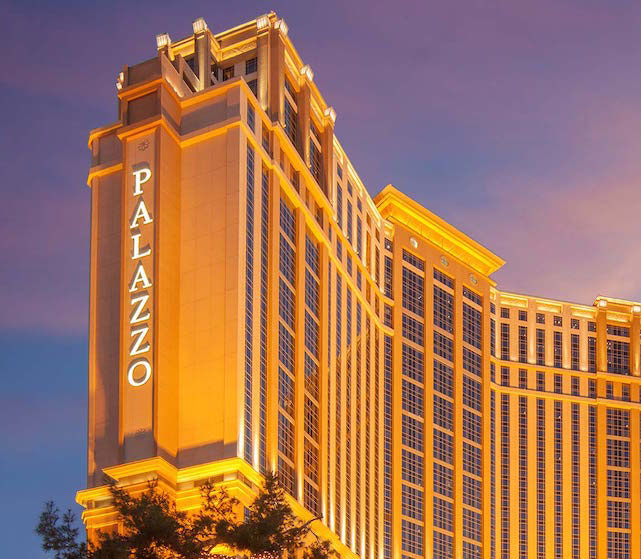
The skyline of Las Vegas is a tapestry of opulence, neon, and architectural ambition. Among the titans that define the Las Vegas Strip, the Palazzo stands as a monument to refined luxury and Italian-inspired elegance. As one of the largest and most prestigious hotel-casino resorts in the world, it often leads travelers and investors alike to ask a fundamental question: who is behind the operation and ownership of this grand establishment?
The answer lies within the complex, high-stakes world of modern hospitality conglomerates. Understanding the ownership structure of the Palazzo requires peeling back the layers of corporate acquisition that have defined the evolution of the Nevada gaming industry over the last two decades.

The Corporate Evolution of a Luxury Resort
The history of the Palazzo is inextricably linked to the visionary development projects of the Las Vegas Sands Corporation. Conceived as an expansion of the Venetian Resort, the Palazzo was designed to provide an even more exclusive experience for the luxury traveler. Upon its opening in 2008, it represented the pinnacle of suite-only accommodations in the desert oasis, setting a new benchmark for space and sophistication.
For years, the Palazzo operated under the umbrella of Las Vegas Sands, a global empire founded by the late Sheldon Adelson. Under this ownership, the property became known for its understated wealth, world-class dining, and seamless integration with the neighboring Venetian Expo. However, the landscape of United States gaming changed dramatically as major players began to pivot their focus toward international markets, particularly Asia.
The Pivot to Global Markets
As the Las Vegas Sands Corporation deepened its investment in regions like Macau and Singapore, the strategic value of maintaining massive physical assets in the United States began to shift. The decision to divest from the Las Vegas market was a monumental moment in the industry, signaling a transition from the era of owner-operators to the era of institutional asset management.
The Landmark Acquisition by VICI Properties and Apollo Global Management
In a landmark deal that reshaped the hospitality map, the ownership of both the Palazzo and its sibling property, the Venetian, underwent a major transition in 2022. This transaction, valued at over $6 billion, separated the ownership of the physical real estate from the operational control of the resorts.
Understanding the Real Estate Investment Trust (REIT) Model
The real estate underlying the Palazzo is now owned by VICI Properties, a specialized real estate investment trust that holds the land and buildings of some of the most iconic properties in the country. This model has become increasingly common in the hospitality industry, as it allows operators to focus exclusively on the guest experience, dining, and gaming, while the REIT manages the massive capital requirements associated with maintaining the physical infrastructure.

The Role of Apollo Global Management
While VICI Properties holds the deed, the operational rights were acquired by Apollo Global Management. This private equity giant took on the challenge of managing the day-to-day business of the Palazzo, overseeing its thousands of suites, the casino floor, and the vast array of retail and entertainment venues. This partnership represents a modern division of labor where the “landlord” provides the stage, and the “operator” directs the show.
Why Ownership Matters for the Guest Experience
For the average traveler visiting Nevada, the intricacies of real estate trusts and private equity firms may seem distant from their vacation experience. However, the current ownership structure has profound impacts on how the Palazzo evolves. Because the property is managed by a group focused on high-level hospitality excellence, there has been a renewed emphasis on amenities that cater to the modern luxury traveler.
Investment in Infrastructure and Renovation
The transition to this new ownership structure has paved the way for significant capital investment. Keeping a resort as vast as the Palazzo competitive in a market that never stops evolving requires constant innovation. From the refurbishment of the sprawling suite inventory to the curation of new high-end culinary partnerships, the current management has made it clear that the property intends to remain at the top of the luxury hierarchy.
The Synergy of the Venetian and Palazzo
One of the most unique aspects of the Palazzo’s ownership is its functional integration with the Venetian. Even with the change in ownership, the strategy remains to provide guests with a singular “mega-resort” experience. The shared Grand Canal Shoppes and the ease of transit between the two properties mean that the owner/operator must maintain a cohesive brand identity that feels consistent, despite the complexity of the underlying corporate structure.
The Future of Luxury Hospitality in Las Vegas
The ownership of the Palazzo serves as a case study for the broader Las Vegas tourism industry. As international conglomerates shift their focus, and as specialized firms like VICI Properties gain more control over the physical assets of the Strip, we are likely to see a trend toward even greater specialization.
A Focus on Sustainability and Tech
Under its current management, the property has begun to lean into more sophisticated digital integration and sustainability efforts. Whether it is optimizing energy consumption within the massive Palazzo towers or implementing AI-driven guest services, the ownership is clearly looking toward the next decade of hospitality.
Maintaining the Prestige
Despite the changes in the boardroom, the spirit of the resort remains firmly rooted in its original vision of Italian-inspired grandeur. The owner’s primary goal is to ensure that the brand remains synonymous with exclusivity. In a city defined by constant reinvention, the Palazzo’s ability to remain a top-tier destination is a testament to the stability provided by its current ownership arrangement.
Whether you are visiting for a business conference at the Venetian Expo, a luxurious weekend getaway, or simply to take in the architectural splendor, it is worth remembering that behind the beautiful facades and the world-class service, there is a complex engine of global finance working to keep the Las Vegas Strip running. The ownership transition has been a seamless one, ensuring that this desert jewel continues to shine for millions of visitors each year.
LifeOutOfTheBox is a participant in the Amazon Services LLC Associates Program, an affiliate advertising program designed to provide a means for sites to earn advertising fees by advertising and linking to Amazon.com. Amazon, the Amazon logo, AmazonSupply, and the AmazonSupply logo are trademarks of Amazon.com, Inc. or its affiliates. As an Amazon Associate we earn affiliate commissions from qualifying purchases.