
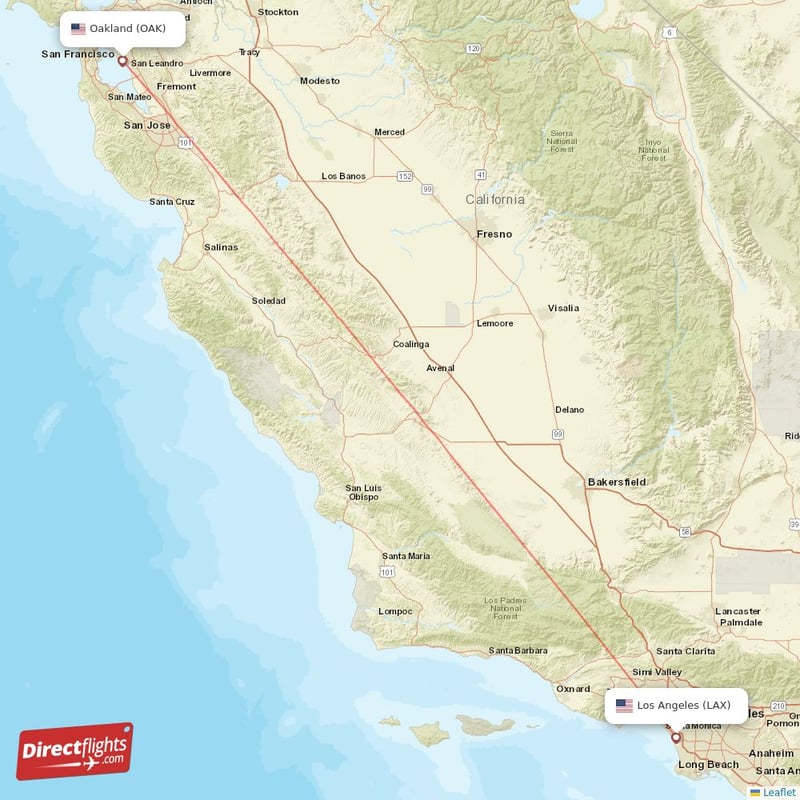
Navigating the Golden State requires a solid understanding of its geography. Whether you are planning a coastal road trip or a quick business excursion, knowing the distance between Los Angeles and Oakland is the first step toward a seamless itinerary. While both cities are iconic pillars of California, they sit at opposite ends of the state’s primary transit corridors.
The distance between these two United States hubs varies significantly depending on your mode of transportation. For those driving, the journey covers approximately 350 to 380 miles, depending on the specific route chosen. Understanding these variables allows travelers to optimize their time and experience the best of what the West Coast has to offer.
Navigating the Road: Routes and Transit Times
Driving between Southern California and the San Francisco Bay Area is a quintessential American experience. However, the “how long does it take” question often depends on the ever-shifting traffic conditions of major interstate highways.
The Interstate 5 Corridor
For the traveler prioritized by efficiency, Interstate 5 is the primary artery. This route is the most direct path, cutting through the heart of the Central Valley. Under optimal conditions, the drive typically takes between five and a half to six and a half hours.
While this route is efficient, it is predominantly agricultural and industrial in scenery. Travelers on this path should be prepared for long, straight stretches of highway, making it the preferred choice for business travelers or those who simply need to reach their destination as quickly as possible.
The Scenic Route via Highway 101
If your goal is to immerse yourself in the beauty of the Pacific Coast, the U.S. Route 101 is the superior, albeit slower, option. Taking this route adds significant time to your journey, often extending it to eight hours or more.
However, the payoff is immense. Following the coast allows for stops in charming beach towns and historic missions. The winding roads and dramatic cliffs of Big Sur offer a level of visual grandeur that the interior highways simply cannot replicate. For those with a flexible schedule, this route transforms a mundane commute into a memorable travel experience.
Air Travel: Efficiency Across the Clouds
For many, the six-hour drive is better traded for a short flight. Flying between these two cities is a popular option, as both Los Angeles International Airport and Oakland International Airport are major hubs with high frequency.
Flight Duration and Convenience
The actual air time for a flight from LAX to OAK is typically around 75 to 90 minutes. When you factor in security check-ins and boarding processes, the total travel time usually hovers around three to four hours.

Choosing to fly allows travelers to bypass the unpredictable traffic patterns of the I-5. Furthermore, Oakland International Airport is often cited as a more manageable, less chaotic alternative to the bustling San Francisco International Airport, making it an attractive entry point for visitors heading to the East Bay.
Considerations for the Modern Traveler
Before booking your flight, consider your final destination. While Oakland is centrally located within the Bay Area, you may need to account for ground transportation, such as rental cars or ride-sharing services, to reach specific points of interest in San Francisco or Berkeley. Assessing the total cost of transit—including airport parking and transport—is essential for budget-conscious travelers.
Rail and Bus Options: The Alternative Commuter
For those who prefer not to drive and wish to avoid the airport environment, Amtrak provides a reliable, scenic alternative.
The Coast Starlight and San Joaquins
The Coast Starlight route is arguably one of the most beautiful train journeys in the North America. While it does not offer the fastest speed, it offers a relaxed atmosphere with dining cars and observation decks.
Alternatively, the San Joaquins train line serves the Central Valley and connects travelers to regional bus services that bridge the gap between rail hubs and the final destination. This multi-modal approach is ideal for those who want to see the state at a slower, more deliberate pace.
Bus Travel: A Budget-Friendly Approach
Several coach services offer routes between Los Angeles and the Bay Area. These services are often the most economical choice. While they are subject to the same traffic delays as private vehicles, they offer the convenience of built-in Wi-Fi and power outlets, allowing you to work or relax while moving between the two regions.
Strategic Planning for Your California Adventure
Distance is merely a number; the true measure of your journey is how you choose to traverse it. Whether you are navigating the California landscape via Highway 1 or catching a quick morning flight, preparation remains key.
Factoring in Seasonal Variations
It is important to remember that California traffic is rarely static. Seasonal events, holiday weekends, and even weather conditions in the Tejon Pass can significantly impact travel times on the I-5.
Always check real-time traffic reports before departing. In Southern California, avoiding peak rush hour—typically 7:00 AM to 9:00 AM and 4:00 PM to 7:00 PM—can save you hours of sitting in gridlock. Similarly, entering the Bay Area during evening commute times can turn a smooth arrival into a frustrating crawl.
Conclusion: Choosing Your Path
The distance between Los Angeles and Oakland is vast enough to warrant careful planning, yet short enough to allow for a variety of transit options. Whether you seek the productivity of an airplane, the scenic beauty of the Pacific Coast Highway, or the reliable transit of Amtrak, your trip can be tailored to match your travel personality.
By understanding the unique nuances of each route, you ensure that your transition between these two iconic California powerhouses is as rewarding as the destinations themselves. Embrace the journey, prepare for the drive, and enjoy the diverse landscapes that make this stretch of the United States so uniquely captivating.
LifeOutOfTheBox is a participant in the Amazon Services LLC Associates Program, an affiliate advertising program designed to provide a means for sites to earn advertising fees by advertising and linking to Amazon.com. Amazon, the Amazon logo, AmazonSupply, and the AmazonSupply logo are trademarks of Amazon.com, Inc. or its affiliates. As an Amazon Associate we earn affiliate commissions from qualifying purchases.