
The journey from the bustling coastal metropolis of Los Angeles to the sun-drenched desert oasis of Palm Springs is a quintessential Southern California experience. For many travelers, this transition represents more than just a change in geography; it is a shift from the high-octane energy of the Pacific shoreline to the serene, mid-century modern allure of the Coachella Valley. Understanding the logistics of this trip is essential for anyone looking to maximize their time in the sun.
Understanding the Distance and Drive Time
The distance between Los Angeles and Palm Springs typically spans between 100 and 120 miles, depending on your starting point in the sprawling county. While the mileage may seem modest, the actual driving time is heavily dictated by one unpredictable factor: traffic.

The Impact of Southern California Traffic
Under ideal, free-flowing conditions, you can expect to complete the drive in approximately two to two-and-a-half hours. However, the route—primarily taking you through Riverside County via the Interstate 10—is notorious for congestion. If you depart Los Angeles during typical weekday rush hours or on a busy Friday afternoon, that two-hour estimate can quickly balloon to four hours or more.
Best Times to Depart
To ensure a smooth transition from the concrete jungle to the desert heat, timing is everything. Weekday mid-mornings, typically between 10:00 AM and 1:00 PM, often offer the best chance of bypassing the worst of the commuter gridlock. If you are planning a weekend getaway, consider leaving early on Friday morning or waiting until Saturday, as the “desert exodus” on Friday afternoons is legendary among locals.
The Routes and Scenic Alternatives
While the Interstate 10 is the most direct path, it is not the only way to traverse the distance. Choosing your route depends on whether you value speed or the scenic landscape of the Inland Empire.
The Direct Corridor: Interstate 10
The Interstate 10 is the workhorse of this journey. It is a straight shot that cuts through the heart of San Bernardino and Ontario. While largely utilitarian, the final stretch as you descend into the Coachella Valley offers breathtaking views of the San Jacinto Mountains, which serve as a dramatic backdrop to the desert landscape.
Scenic Detours and Stops
For those with a bit more leisure time, bypassing the main artery can lead to rewarding discoveries. A slight detour through Beaumont or Banning allows you to break up the drive with a stop at local roadside fruit stands or to view the San Gorgonio Pass wind farms, which create a striking, futuristic silhouette against the desert sky.

If you prefer to avoid the Interstate 10 entirely, you might consider taking the scenic route through the San Bernardino National Forest toward Idyllwild. While this route is significantly longer and involves winding mountain roads, it provides a dramatic shift in elevation and climate, offering a cool, pine-scented contrast to the arid valley floor that awaits.
Travel Modes: Beyond the Personal Vehicle
While the vast majority of travelers choose to drive their own cars or rent vehicles for the flexibility they provide, there are alternative methods for getting from Los Angeles to Palm Springs.
Private Shuttles and Rideshares
Several private shuttle services operate daily routes between Los Angeles International Airport and the desert. These are ideal for those who prefer not to navigate the freeways themselves. Rideshare services are also available, though the cost can be high given the distance. If utilizing a rideshare, booking in advance or coordinating with a professional car service is often more cost-effective and reliable for long-distance transit.
The Role of Regional Transit
Public transportation options are somewhat limited for this specific corridor. While Amtrak does offer service to the region, it often requires a combination of train and bus connections, which can make the journey significantly longer than driving. However, for the eco-conscious traveler or those who simply enjoy the experience of rail travel, planning a trip with Metrolink toward San Bernardino followed by a regional bus connection can be an adventurous, albeit time-consuming, alternative.
Flying into the Desert
For travelers coming from outside the region, the most convenient way to reach Palm Springs is flying directly into Palm Springs International Airport. This airport is remarkably well-situated, located just minutes from the downtown core. By flying in, you skip the drive entirely, allowing you to spend more time by the pool or exploring the mid-century modern neighborhoods that define the region.
Maximizing Your Arrival
Once you have conquered the distance between Los Angeles and Palm Springs, the rewards are immediate. The region is a haven for those who appreciate design, nature, and relaxation.
Planning Your First Day
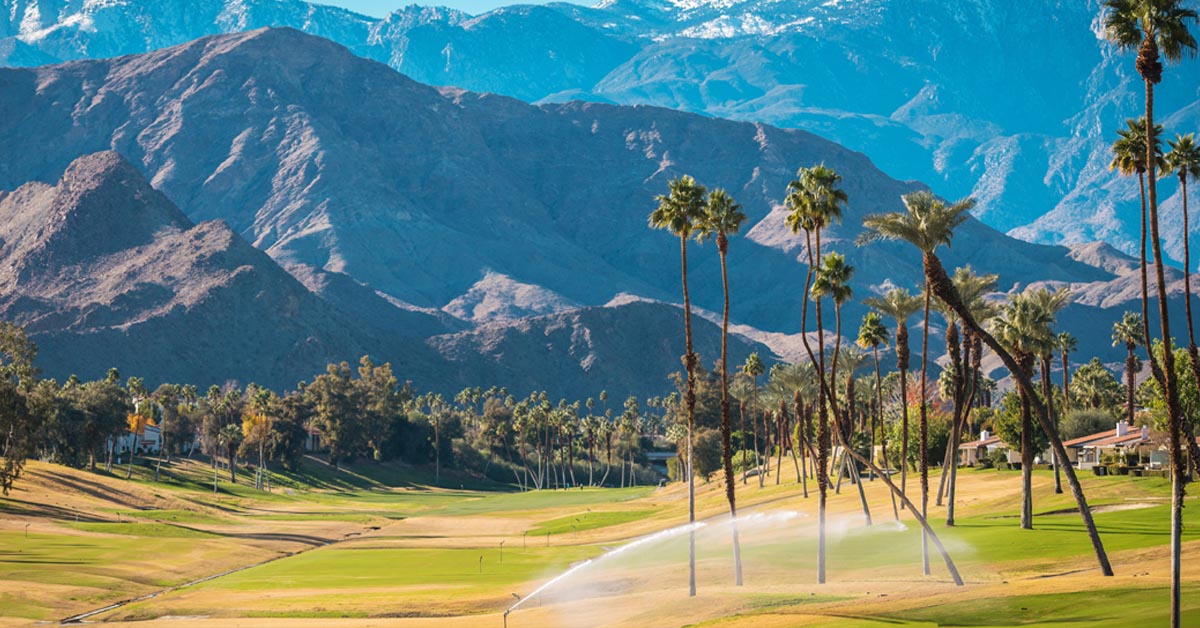
To maximize your trip, keep your arrival schedule flexible. The desert heat, particularly in the summer months, requires an adjustment period. Plan to arrive in the late afternoon to enjoy the “golden hour,” when the light hits the Santa Rosa Mountains and turns them a deep, vibrant pink.
Essential Tips for Desert Travel
Regardless of how you choose to make the trek, preparation is key:
- Hydration: Always keep extra water in your vehicle, especially during the summer, as desert dehydration happens faster than you might expect.
- Weather Awareness: Check the forecast before you leave. While the coast might be a comfortable 70 degrees, the Coachella Valley can easily reach triple digits during peak summer.
- Car Maintenance: The desert drive is relatively straightforward, but the incline through the San Gorgonio Pass can put a strain on older engines. Ensure your cooling system and tire pressure are in good order before departing Los Angeles.
Whether you are looking for a weekend of rejuvenation at a luxury resort, a deep dive into architectural history, or an escape into the wilderness of the Joshua Tree National Park, the distance between Los Angeles and Palm Springs is a small price to pay for the transformation you experience upon arrival. By understanding the flow of traffic, choosing the right route, and preparing for the unique climate of the desert, your journey becomes a seamless part of the vacation itself. The desert is waiting, and the path to get there is part of the story.
LifeOutOfTheBox is a participant in the Amazon Services LLC Associates Program, an affiliate advertising program designed to provide a means for sites to earn advertising fees by advertising and linking to Amazon.com. Amazon, the Amazon logo, AmazonSupply, and the AmazonSupply logo are trademarks of Amazon.com, Inc. or its affiliates. As an Amazon Associate we earn affiliate commissions from qualifying purchases.