
Navigating the sprawling urban expanse of Los Angeles can be a daunting prospect for any traveler. Because the city is not a single, centralized metropolitan hub but rather a collection of interconnected neighborhoods and distinct districts, understanding the geography is essential for a successful trip. Many first-time visitors arrive expecting a traditional city layout, only to realize that Hollywood is actually a district within the city of Los Angeles, rather than a separate suburb or city.
The distance between the downtown core of Los Angeles and the heart of Hollywood is approximately eight to ten miles, depending on your specific starting point and the route taken. While this distance seems short on a map, the reality of Southern California traffic means that travel times can fluctuate wildly. Whether you are planning to visit the Walk of Fame or explore the historic TCL Chinese Theatre, timing your journey correctly is the difference between a breezy twenty-minute drive and an hour-long ordeal in gridlock.
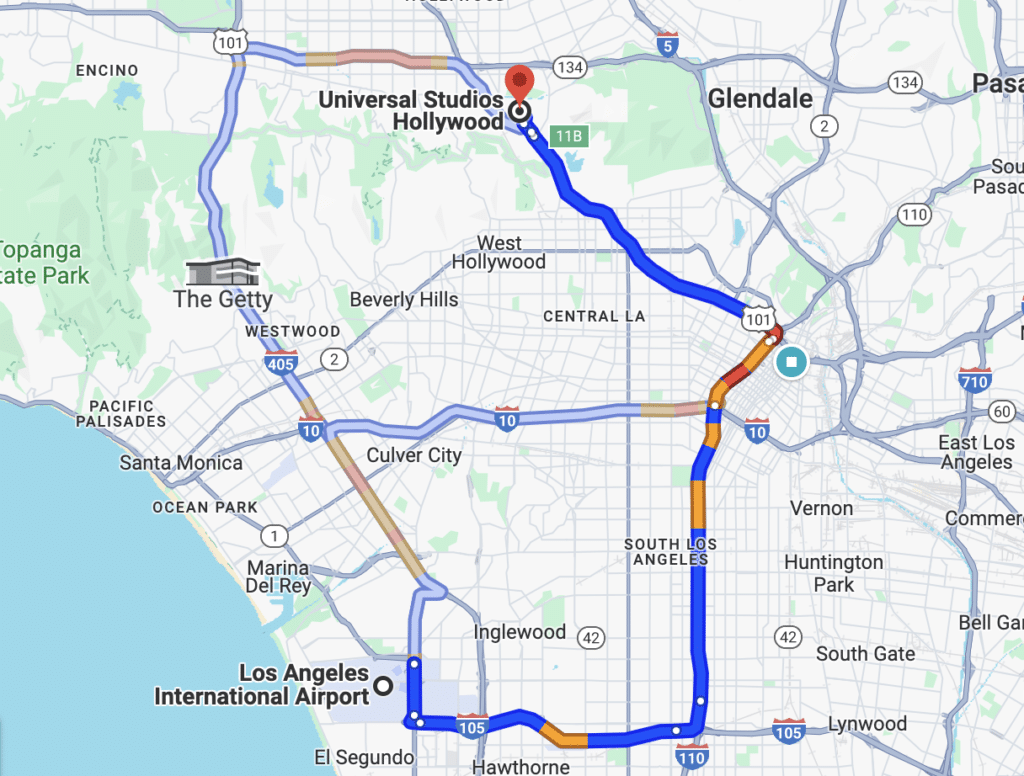
Understanding the Geographic Relationship
Hollywood occupies a unique place in the imagination of the world, often conflated with Los Angeles itself. To understand how far one is from the other, it is helpful to view Los Angeles as a massive collection of “villages.”
The Proximity of Key Districts
While Hollywood is nestled against the Santa Monica Mountains, Downtown Los Angeles sits to the southeast. If you are staying near Staples Center—now known as Crypto.com Arena—you are essentially looking at a straight shot up Vermont Avenue or Western Avenue to reach the center of the film industry.
Navigating the Traffic Reality
In California, distance is measured in time, not miles. During off-peak hours, usually mid-morning or late at night, the drive can take as little as 15 minutes. However, during the notorious rush hours—typically from 7:00 AM to 9:30 AM and 3:30 PM to 7:00 PM—the transit time can triple. Understanding this “time-distance” is the first step in planning any itinerary across the city.
Modes of Transportation Between the City and the Stars
Because Los Angeles is a car-centric city, most visitors rely on personal vehicles or ride-sharing services. However, the expansion of the public transit network has provided more alternatives for those who prefer not to navigate the freeways.

The Metro Rail Advantage
The Los Angeles Metro system offers a surprisingly efficient way to bridge the gap between Downtown Los Angeles and Hollywood. The Metro B Line (formerly the Red Line) is a subway service that connects Union Station directly to the heart of the district, stopping at major hubs like Hollywood & Highland and Hollywood & Vine. Utilizing this rail line allows travelers to bypass the congested surface streets of Sunset Boulevard entirely.
Ride-Sharing and Taxis
For those who prefer the convenience of door-to-door service, services like Uber and Lyft are ubiquitous. From a hotel in West Hollywood, you can reach most Hollywood attractions in under 15 minutes. It is advisable to check the pricing during peak hours, as “surge pricing” can make this option significantly more expensive than standard taxi fares or public transit.
Planning Your Itinerary for Maximum Efficiency
To make the most of your time in Southern California, it is best to group your activities by location. Rather than bouncing back and forth across the city, dedicate specific days to specific zones.
A Day in Hollywood
If you are starting your day in Hollywood, focus on landmarks that are within walking distance of each other. You can easily spend an entire morning walking the Hollywood Walk of Fame, visiting the Dolby Theatre, and taking photos of the Hollywood Sign from various vantage points. Because these sights are clustered together, the distance between them is minimal, requiring no more than a short walk.
Expanding to Nearby Neighborhoods
Once you have explored Hollywood, you are perfectly positioned to venture into adjacent areas. A short drive north will take you to Griffith Park, home to the Griffith Observatory. This landmark provides one of the best views of the entire Los Angeles Basin. Traveling west, you will find yourself in Beverly Hills and West Hollywood, districts that offer a more upscale aesthetic and legendary shopping on Rodeo Drive.

Tips for Avoiding Common Tourist Pitfalls
The sheer size of Los Angeles often catches travelers off guard. By keeping a few professional tips in mind, you can save hours of frustration and ensure your vacation remains stress-free.
- Avoid the Freeways during Peak Times: If you must travel between neighborhoods, try to schedule your trips between 10:00 AM and 2:00 PM. The 101 Freeway, which serves as a primary artery between Downtown and Hollywood, is notorious for heavy congestion.
- Stay Near the Action: If your primary focus is entertainment and media history, book your accommodations within Hollywood or West Hollywood rather than on the outskirts. This minimizes the “commute” to your daily activities.
- Utilize Real-Time Traffic Apps: Regardless of your local knowledge, always check navigation apps like Waze or Google Maps before departing. These tools are indispensable in Los Angeles, as they account for real-time accidents and road closures that can add unexpected time to your journey.
- Embrace Walking: In historic areas like Hollywood, parking can be difficult and expensive. Once you arrive at a destination, park your vehicle in a secure garage and explore the area on foot. You will often find hidden gems, small eateries, and street-side culture that you would otherwise miss while driving.
By recognizing that Hollywood is just one vibrant piece of the Los Angeles mosaic, you can approach your visit with a better understanding of the geography and the pace of life in the city. Whether you are planning a short getaway or an extended stay, careful planning regarding your transit and location will ensure your experience is as seamless as the California sunshine.
LifeOutOfTheBox is a participant in the Amazon Services LLC Associates Program, an affiliate advertising program designed to provide a means for sites to earn advertising fees by advertising and linking to Amazon.com. Amazon, the Amazon logo, AmazonSupply, and the AmazonSupply logo are trademarks of Amazon.com, Inc. or its affiliates. As an Amazon Associate we earn affiliate commissions from qualifying purchases.