
For travelers planning a journey from the vibrant shores of California to the sun-drenched landscapes of Australia, the Pacific crossing represents one of the most significant long-haul experiences in commercial aviation. Navigating the vast expanse of the Pacific Ocean is a major undertaking, often shaping the entire itinerary of a vacation or business trip. Understanding the nuances of flight duration, route efficiency, and the realities of ultra-long-haul travel is essential for any adventurer looking to traverse the globe from Los Angeles to the land Down Under.
Decoding Flight Durations: Non-Stop vs. Connecting Routes
When examining the time commitment for this journey, the primary differentiator is whether the flight is a non-stop service or involves one or more layovers. Geography dictates that a direct flight covers approximately 7,500 to 8,000 miles, depending on the specific destination within the country.
The Non-Stop Experience
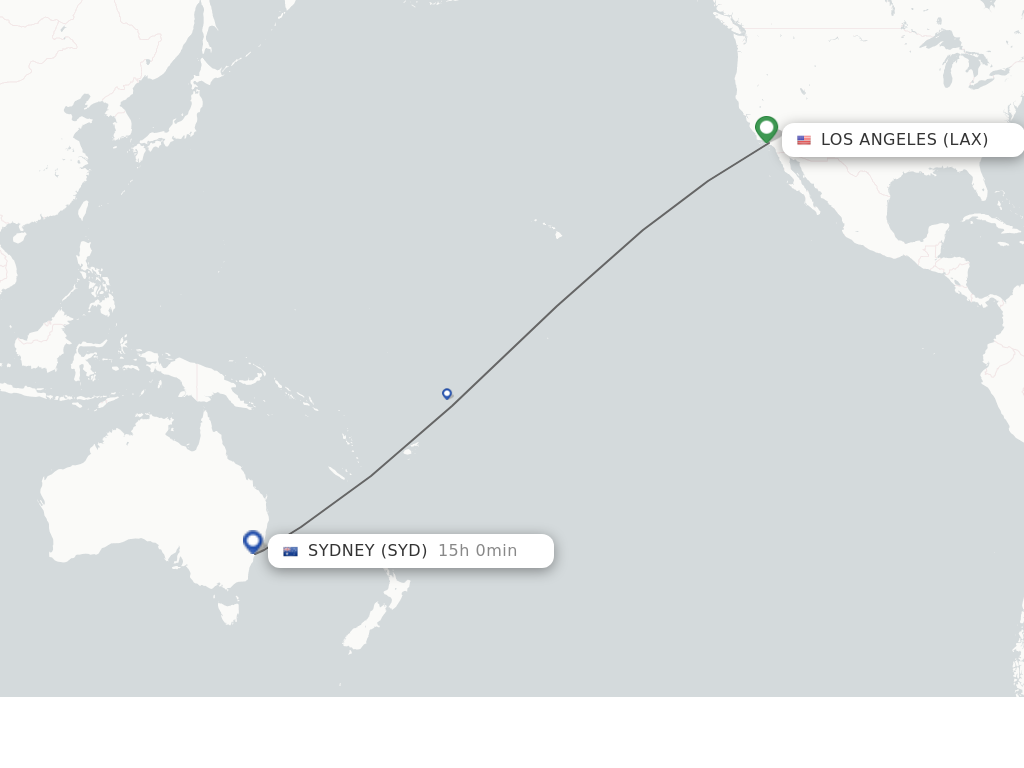
Non-stop flights from Los Angeles International Airport generally connect to major hubs such as Sydney, Melbourne, or Brisbane. On average, these direct routes take between 14.5 and 16.5 hours of flight time.
Several factors influence these figures, most notably the prevailing winds. Flights heading west toward Australia often enjoy the benefit of favorable jet streams, which can slightly reduce travel time, while return legs heading east against the wind may take longer. Passengers should always check current airline schedules, as aircraft type and seasonal wind patterns can cause minor fluctuations in arrival times.
Connecting Flights and Their Impact
For those opting for a connecting flight—often to save on costs or to reach more regional destinations—the total travel time naturally increases. A standard layover in a hub city like Nadi in Fiji, Auckland in New Zealand, or even Honolulu in Hawaii can extend the total journey to 20 or even 25 hours. While these options require more patience, they can offer a welcome opportunity to stretch one’s legs, break up the cabin confinement, and explore an intermediary destination, adding a secondary dimension to the travel experience.
Factors That Influence Your Time in the Sky
While the distance between North America and the Oceania continent is fixed, several operational and atmospheric variables determine exactly how many hours you spend cruising at thirty-five thousand feet.
Aircraft Performance and Technology
Modern advancements in aviation technology have drastically improved the efficiency of ultra-long-haul flights. Airlines utilize highly advanced aircraft, such as the Boeing 787 Dreamliner or the Airbus A350, which are designed specifically for long-endurance missions. These planes are engineered for higher cabin pressure and improved air quality, which help mitigate some of the physical fatigue associated with spending over half a day in the air. Furthermore, the fuel efficiency of these modern models allows for direct routings that were previously impossible, effectively shortening the time it takes to travel between major world capitals.
Weather Systems and Air Currents
Aviation is inextricably linked to meteorology. The jet stream—a band of strong wind in the upper atmosphere—acts as a powerful conveyor belt for aircraft. When traveling from the United States to Australia, flight crews coordinate closely with meteorological services to find the “path of least resistance.” Sometimes, a flight path might curve further north or south to avoid turbulence or to capitalize on a stronger tailwind, which can result in arrivals that are 30 to 60 minutes ahead of or behind the scheduled time.
Preparing for the Long-Haul Journey
Spending nearly two-thirds of a day on an airplane requires a strategy. Whether you are flying for leisure to visit the Great Barrier Reef or for a professional engagement in Canberra, your physical and mental preparation will dictate how you feel upon arrival.
Managing Time Zones and Jet Lag
One of the most challenging aspects of traveling from California to the Southern Hemisphere is the significant time zone shift. You are not only crossing the equator but also shifting your biological clock by many hours. To adjust, many experienced travelers recommend shifting their sleep schedule a few days before departure. Once onboard, hydration is paramount. The low humidity levels in aircraft cabins can be dehydrating, which exacerbates the effects of jet lag. Limiting alcohol and caffeine, while drinking plenty of water, remains the most effective defense against the sluggishness that follows a long-distance arrival.
Optimizing Comfort in the Cabin
Because the journey exceeds 14 hours, cabin comfort becomes an investment in your trip’s success. If your budget allows, upgrading to premium economy or business class can provide the necessary space for adequate rest. If you are flying in economy, consider choosing an aisle seat to facilitate easier movement, or a window seat if you prefer to lean against the wall for a more stable sleeping position. Packing noise-canceling headphones, a supportive neck pillow, and an eye mask can transform a chaotic cabin environment into a personal sanctuary, allowing you to arrive in Australia feeling refreshed rather than depleted.
Arriving Down Under: What to Expect
The final hour of the flight is often filled with anticipation. As the landscape shifts from the vast, deep blue of the Pacific Ocean to the distinctive coastlines of the continent, the reality of the distance covered truly sets in.
Customs and Immigration Protocols
Upon landing in major gateways like Sydney Airport, travelers must navigate the strict biosecurity regulations that define Australia. Because of its unique ecosystem, the country maintains some of the most rigorous agricultural quarantine standards in the world. Passengers are typically required to complete an Incoming Passenger Card, detailing any food, plant material, or animal products in their possession. Ensuring your documents are in order and being transparent with customs officials ensures a smooth transition from the airport to the city streets.
The First Few Hours
Once you clear customs, resist the temptation to immediately sleep if it is daylight. Engaging in light activity, such as a walk through the Royal Botanic Garden or a coffee at a cafe in The Rocks, can help your internal clock synchronize with local time. Whether your final destination is the bustling streets of Melbourne or the wild hinterlands of Queensland, the journey from Los Angeles is a testament to the interconnectedness of our modern world.
With planning, patience, and an understanding of the flight dynamics, the long transit across the Pacific becomes not just a chore, but an integral part of the adventure of exploring a new corner of the globe. You are effectively traveling to the other side of the planet, and by respecting the duration and the preparation required, you ensure that your arrival is the beginning of an unforgettable journey.
LifeOutOfTheBox is a participant in the Amazon Services LLC Associates Program, an affiliate advertising program designed to provide a means for sites to earn advertising fees by advertising and linking to Amazon.com. Amazon, the Amazon logo, AmazonSupply, and the AmazonSupply logo are trademarks of Amazon.com, Inc. or its affiliates. As an Amazon Associate we earn affiliate commissions from qualifying purchases.