
The route from the high-altitude hub of Denver to the sun-drenched sprawl of Los Angeles is one of the most popular corridors in the United States. Whether you are a business traveler heading to a conference, a vacationer seeking the coastal breeze, or a local visiting family, understanding the logistics of this flight is essential for efficient trip planning. Generally, a non-stop flight from Denver International Airport to Los Angeles International Airport typically takes between two hours and fifteen minutes to two hours and forty-five minutes.
While the geography suggests a relatively short hop across the Rocky Mountains and the Mojave Desert, several variables can influence the total time spent in the air.
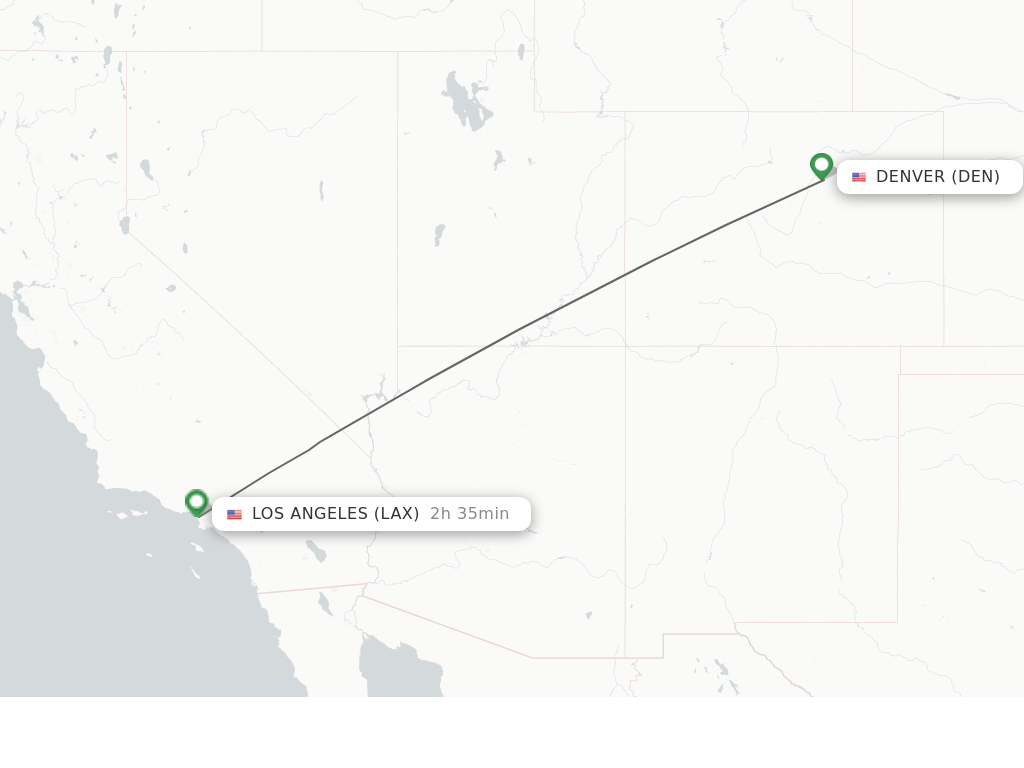
Understanding Flight Duration and Variables
When you look at a booking engine, you will see a variety of times listed for the same route. This discrepancy often confuses travelers, but it usually boils down to a combination of aircraft type, air traffic control protocols, and atmospheric conditions.
The Impact of Jet Streams and Wind
One of the primary factors affecting flight duration is the prevailing wind, specifically the jet stream. Because aircraft flying from Colorado to California are generally moving against or across high-altitude wind currents, the “ground speed” of the plane can fluctuate. On a day with a strong headwind, the pilot may need to adjust the flight path or throttle settings to maintain safety and fuel efficiency, which can add ten to fifteen minutes to the flight. Conversely, return flights—heading East toward the Mile High City—often benefit from tailwinds, potentially shortening the trip.
Traffic Patterns and Routing
Los Angeles International Airport is one of the busiest aviation hubs in the world. As you approach the Pacific Ocean, your flight may be placed in a holding pattern if the airspace is particularly congested. While modern air traffic control systems have become incredibly efficient, the reality of landing at a high-volume airport like LAX means that the “scheduled” arrival time accounts for potential delays in taxiing or landing queues.
Choosing the Right Airline and Service
The competition on this route is fierce, which works in the favor of the passenger. Major carriers like United Airlines, Southwest Airlines, Delta Air Lines, and American Airlines all operate direct service between Denver and Los Angeles.

Full-Service Carriers vs. Budget Options
When choosing your ticket, consider the type of service you prefer. Full-service carriers often offer more flexibility in terms of schedules, providing multiple departure times throughout the morning, afternoon, and evening. If you are flying for business, these carriers provide the benefit of robust loyalty programs and lounge access at Denver International Airport. Budget carriers may offer lower base fares, but it is important to factor in the total transit time, including the potential for connections if a direct flight is not available.
The Importance of Aircraft Equipment
Different airlines utilize different aircraft for this flight path. Narrow-body jets like the Boeing 737 or the Airbus A320 are the workhorses of this route. Occasionally, you might find larger wide-body aircraft assigned to this segment if an airline is repositioning equipment for an international leg. While the flight time is largely the same, the comfort level and amenities—such as Wi-Fi availability and in-flight entertainment—can vary significantly depending on the specific aircraft type assigned to your flight number.
Maximizing Your Travel Efficiency
Navigating the transit between these two major cities requires more than just looking at the flight duration. To ensure a smooth journey, consider the peripheral time spent at the airports themselves.
Navigating Denver International Airport
As one of the largest airports by land area in the world, Denver International Airport requires a bit of strategy. Even if your flight is only two and a half hours, you should plan to arrive at the terminal at least two hours before departure. The underground train system that connects the main terminal to the concourses is efficient, but during peak hours, security lines can fluctuate. Check the real-time TSA wait times provided by the airport website to avoid unnecessary stress.
Arrival Logistics at Los Angeles
Once you touch down in California, remember that Los Angeles is a massive metropolitan area. The time it takes to taxi to the gate at LAX can sometimes feel like a significant portion of the flight itself. Depending on your final destination—whether you are headed to Santa Monica, Hollywood, or Downtown Los Angeles—your post-flight journey can take anywhere from forty minutes to two hours depending on local traffic conditions.

Strategic Planning for Frequent Travelers
If you find yourself traveling between these two hubs regularly, consider these tips to make the journey more manageable:
- Select Morning Flights: Flights departing Denver before 9:00 AM are statistically less likely to be delayed by cascading air traffic issues that develop throughout the day.
- Utilize Digital Boarding Passes: Minimizing time at check-in counters allows you to head straight to the security checkpoint.
- Choose Your Seat Wisely: If you are traveling on a clear day, request a window seat on the right side of the aircraft when flying from Denver to Los Angeles. You will get a breathtaking aerial view of the Colorado Rockies as you climb to cruising altitude, followed by the striking desert landscape of the Southwest.
- Monitor Weather Reports: During the winter months, Denver can experience significant snow events. Even if the weather in Southern California is perfect, a de-icing process at the origin airport can add thirty minutes or more to your departure time. Always check the weather forecast for both cities the night before you fly.
By understanding the mechanics of this flight, you can better manage your expectations and plan your schedule with confidence. Whether you are traveling for the bustling Silicon Beach tech scene or the quiet beauty of the Rocky Mountain National Park, the roughly two-and-a-half-hour commute is a small price to pay for the diversity of experiences available at both ends of the trip. Remember that while the flight duration is a constant variable, your preparedness is the best tool for ensuring that your travel remains a pleasant and productive part of your journey.
LifeOutOfTheBox is a participant in the Amazon Services LLC Associates Program, an affiliate advertising program designed to provide a means for sites to earn advertising fees by advertising and linking to Amazon.com. Amazon, the Amazon logo, AmazonSupply, and the AmazonSupply logo are trademarks of Amazon.com, Inc. or its affiliates. As an Amazon Associate we earn affiliate commissions from qualifying purchases.