
The route from the Mile High City to the City of Angels is one of the most popular domestic corridors in the United States. Whether you are a business traveler heading to a conference in Downtown Los Angeles or a vacationer looking to trade the mountain vistas of Colorado for the iconic coastline of California, understanding the flight logistics is the first step in planning your journey.
Understanding Flight Duration and Airtime
When you search for flights from Denver International Airport to Los Angeles International Airport, you will notice a slight variance in the advertised duration. Generally, the actual time spent in the air for a non-stop flight ranges from 2 hours and 15 minutes to 2 hours and 45 minutes.
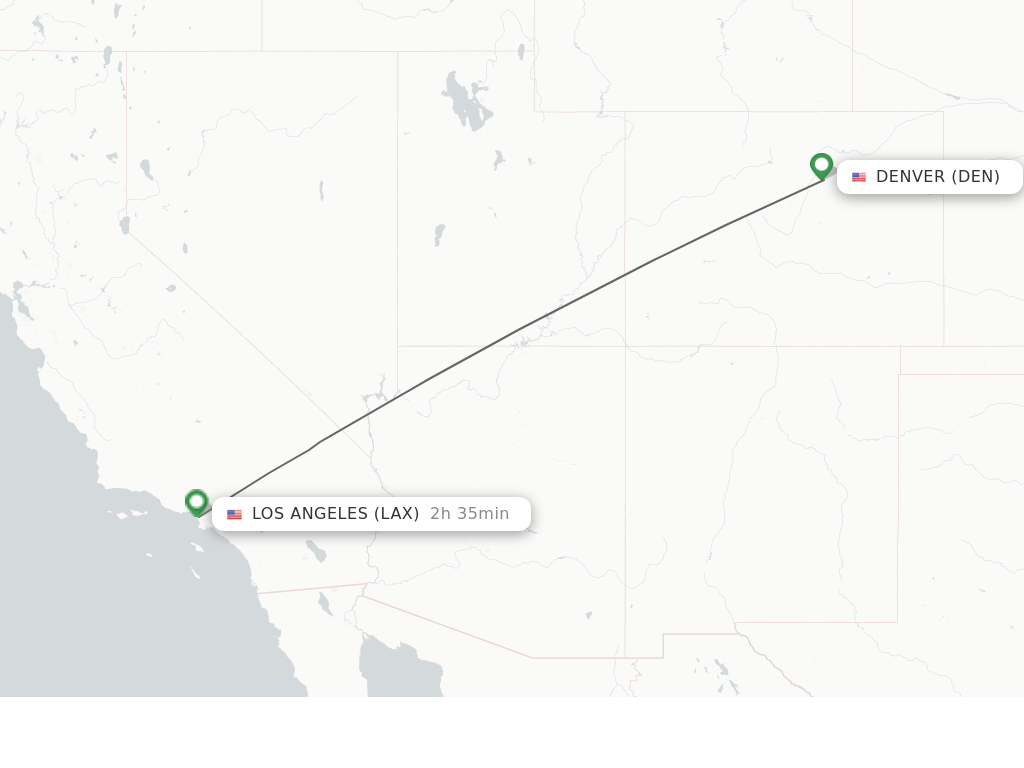
The Mechanics of the Flight Path
The flight path typically traverses the beautiful landscapes of the American West. Shortly after departing from the prairies surrounding Denver, pilots usually steer the aircraft toward the Rocky Mountains and across the high deserts of Utah and Nevada.
The duration can be influenced by several factors:
- Jet Streams: Prevailing winds at high altitudes play a significant role. Flying west into a headwind can slightly increase the duration, while a tailwind can shave precious minutes off the trip.
- Air Traffic Control: Both Denver International Airport and Los Angeles International Airport are among the busiest hubs in the world. Occasionally, your plane may enter a “holding pattern” or follow a circuitous arrival path to manage incoming traffic, which adds time to the scheduled block duration.
- Aircraft Performance: Larger wide-body aircraft often maintain steady cruising speeds that differ slightly from smaller narrow-body jets used by low-cost carriers.
Scheduled Time vs. Actual Airtime
It is important to distinguish between the “block time”—the time from when the plane pushes back from the gate in Denver until it arrives at the gate in Los Angeles—and the actual time in the air. Airlines often build a buffer into their schedules to account for taxiing time on the tarmac. Even if your plane spends only 140 minutes in the air, the official flight schedule might list the trip as 3 hours to ensure consistent on-time performance metrics.
Selecting the Right Airline and Service Class
Several major carriers operate direct flights between Colorado and California. The experience can vary significantly depending on the airline you choose and the cabin class you book.
Major Carriers and Connectivity
United Airlines maintains a significant hub presence in Denver, providing the highest frequency of flights. Southwest Airlines is another primary operator on this route, frequently offering multiple departures throughout the day. If you are looking for premium options, Delta Air Lines and American Airlines also serve this popular corridor, often utilizing larger aircraft equipped with seatback entertainment and high-speed Wi-Fi.

Maximizing Your Comfort
Given that the flight is under three hours, many travelers opt for Economy class. However, because this route is highly competitive, the upgrade to First or Business class is often available at a reasonable price point.
- Business Travelers: Frequent flyers often prefer the morning departures to arrive in Southern California in time for midday meetings.
- Leisure Travelers: For those heading to the beaches near Santa Monica or Venice Beach, choosing a flight that avoids the mid-afternoon congestion at Los Angeles International Airport can make the arrival experience much smoother.
Navigating the Airports: Preparation Tips
The experience of flying from Denver to Los Angeles is as much about the airport experience as it is about the time in the air. Both airports are massive transit hubs that require careful planning.
Denver International Airport Strategy
Denver International Airport is famous for its iconic tent-like roof structure and its vast size. Because security lines can be lengthy, especially during the morning rush, it is recommended to arrive at least two hours before your scheduled departure. Utilize the train system to reach the various concourses, and be mindful that the walk from the security checkpoint to your gate can take longer than expected.
Arrival Logistics in Los Angeles
Once you descend into California, you will be greeted by the sprawling layout of Los Angeles International Airport. Depending on your terminal, exiting the airport can take a significant amount of time.
- Ground Transportation: Los Angeles is a driving-centric city. If you are planning to rent a car, prepare for the shuttle bus ride to the off-site rental lots.
- Rideshare and Taxis: Dedicated zones for rideshare apps are located throughout the terminal areas. Be sure to follow the signage precisely, as Los Angeles International Airport has moved these pickup points away from the immediate arrivals curb to manage traffic flow.
The Best Time to Fly and Seasonal Considerations
The demand for flights between Denver and Los Angeles remains consistently high year-round. However, certain seasons and days of the week offer distinct advantages.
Avoiding Peak Travel Times
Mid-week flights—specifically on Tuesdays and Wednesdays—often feature lower fares and fewer crowds at the terminals. If you are flying for leisure, aiming for these days can save you both time and money. Conversely, Friday evenings and Sunday afternoons are the most congested times to travel, as both business commuters and weekend tourists crowd the airports.
Seasonal Impacts on Flight Operations
- Winter: While Denver is well-equipped for snow, heavy winter storms can occasionally lead to ground delays or de-icing procedures. These protocols, while essential for safety, can turn a two-hour flight into a significantly longer travel day.
- Summer: Summer travel in California often involves increased air traffic demand. You may notice more “flow control” delays, where air traffic controllers hold planes on the ground in Denver due to congestion in the Southern California airspace.

Final Travel Considerations
Ultimately, while the actual flight duration is short, the total travel time from home to your destination in Los Angeles usually averages around five to six hours. This includes airport transit, security screenings, and potential delays. By familiarizing yourself with the nuances of both Denver International Airport and Los Angeles International Airport, and choosing your flight times wisely, you can ensure that your journey between these two major American hubs is as seamless and stress-free as possible. Whether you are traveling for the bustling Hollywood energy or the serene Rocky Mountains, this route connects two of the most vibrant regions in the Western United States.
LifeOutOfTheBox is a participant in the Amazon Services LLC Associates Program, an affiliate advertising program designed to provide a means for sites to earn advertising fees by advertising and linking to Amazon.com. Amazon, the Amazon logo, AmazonSupply, and the AmazonSupply logo are trademarks of Amazon.com, Inc. or its affiliates. As an Amazon Associate we earn affiliate commissions from qualifying purchases.