
Planning a journey to Los Angeles requires more than just picking a date and packing your suitcase; it demands a clear understanding of the logistics involved in reaching this sprawling West Coast hub. As one of the most significant gateway cities in the United States, Los Angeles welcomes millions of travelers annually. Whether you are flying across the country or crossing an ocean, knowing the duration of your flight is the first step in mastering your travel itinerary.
Understanding Flight Durations from Major Hubs
The length of your flight to Los Angeles depends heavily on your point of origin. Geography dictates the time spent in the air, but winds, airline routing, and air traffic control also play roles in the final arrival time.
Domestic Flights Within North America
For travelers departing from the East Coast, such as New York City, a nonstop flight typically lasts between five and a half to six and a half hours. The difference in duration is often due to the jet stream; flying west, planes frequently battle headwinds, which can extend the flight time slightly. Conversely, flights from nearby hubs like San Francisco or Las Vegas are remarkably short, often clocking in at just over an hour of actual flight time. These short-haul routes are essential for business travelers and weekend vacationers looking to experience the diversity of the West Coast.
Transatlantic and Transpacific Connections
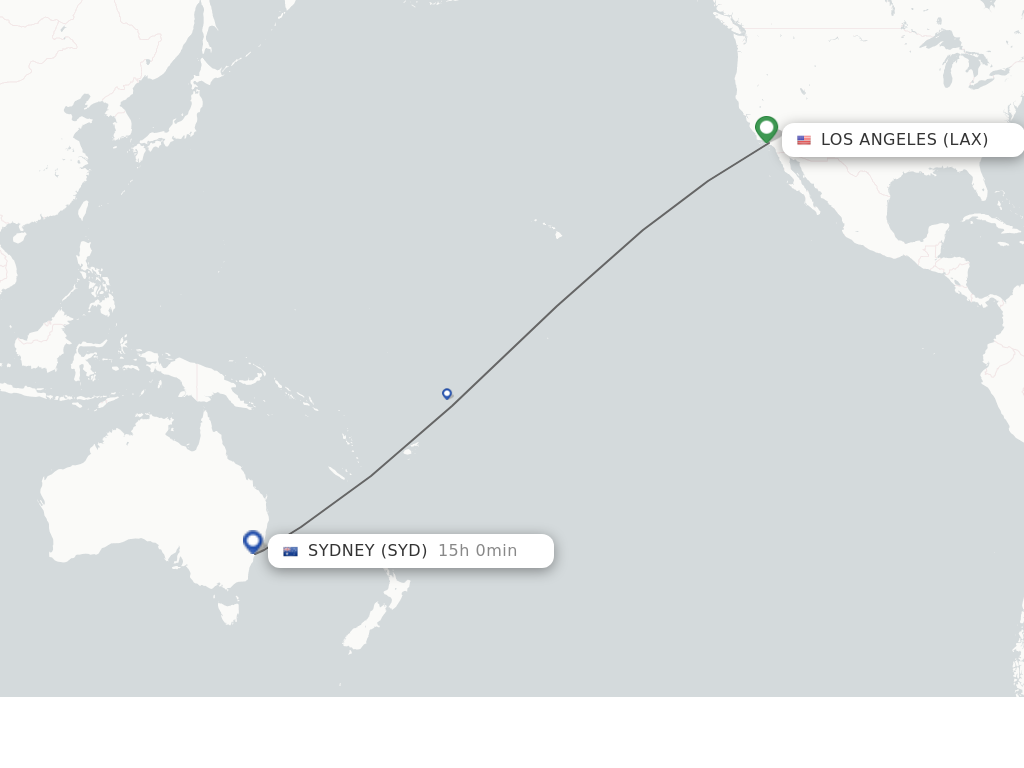
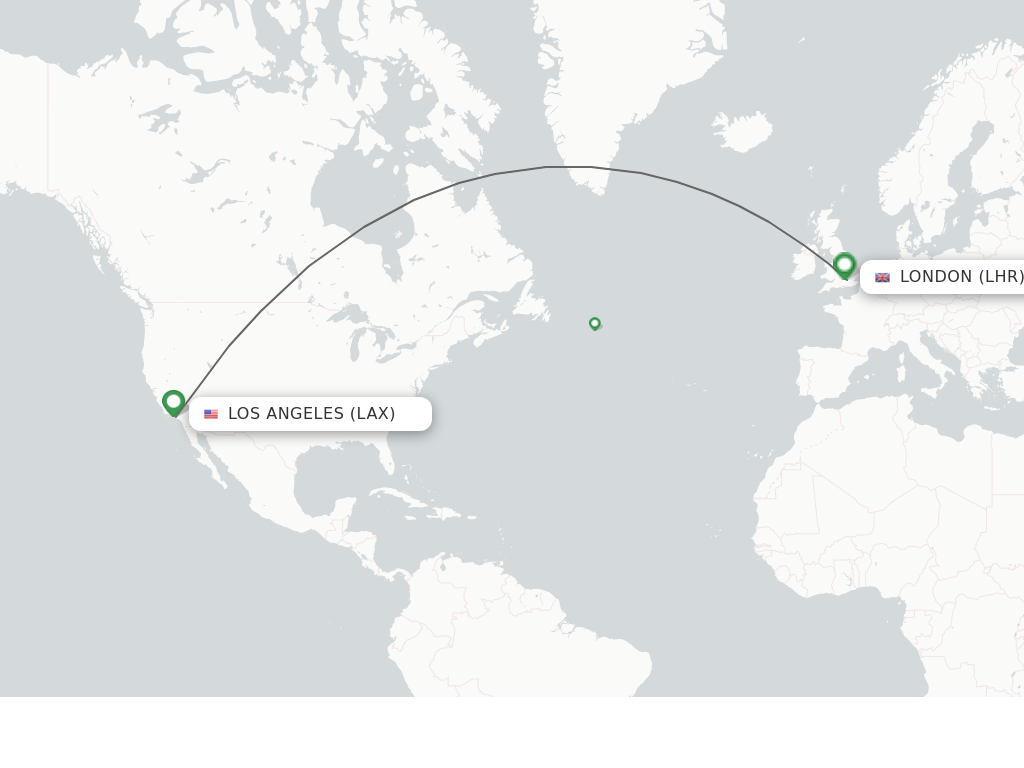
International travelers have a more significant commitment. Flights from London typically span approximately 11 hours, navigating the polar routes to reach Southern California. Flights from Tokyo or Sydney are significantly longer, often ranging from 10 to 15 hours. These long-haul journeys require careful planning regarding seating comfort, hydration, and managing potential jet lag upon arrival at Los Angeles International Airport.
Factors That Influence Your Time in the Air
While airline schedules provide a baseline, various factors can shift your time in the air. Understanding these nuances can help you manage expectations before you head to the gate.
Wind Patterns and Jet Streams
Commercial aviation is subject to the whims of the atmosphere. The jet stream—a core of strong winds moving from west to east—acts as a significant variable. When flying from Europe or Asia toward Los Angeles, pilots often have to contend with these currents. If the winds are particularly strong, flights may take longer than the published schedule. Airlines typically build a “buffer” into their schedules to account for these fluctuations, which is why you might occasionally arrive slightly earlier than expected if conditions are favorable.
Flight Routing and Airline Policy
Not all flights to Los Angeles are direct. If you are flying from a smaller regional airport, you will likely need a layover in a major hub like Chicago, Dallas, or Denver. The “total duration” of your journey then includes the time spent on the ground. While a nonstop flight is the gold standard for efficiency, connecting flights can sometimes be more cost-effective. Travelers must weigh the benefits of a shorter overall duration against the potential savings and flight availability provided by connecting itineraries.
The Role of Aircraft Efficiency
The specific type of aircraft assigned to your route can also influence the speed and duration of your trip. Modern long-haul jets, such as the Boeing 787 Dreamliner or the Airbus A350, are designed to be more aerodynamic and efficient. These planes often maintain higher cruising altitudes and speeds, which can lead to marginal improvements in travel time compared to older, less efficient models. When selecting your flight, checking the aircraft type can be a useful tip for those prioritizing comfort and speed.
Preparing for Your Arrival in Los Angeles
Once your flight duration is confirmed, your focus should shift to the logistics of arriving at Los Angeles International Airport. This facility is a massive transit hub, and knowing how to navigate it upon landing is crucial to starting your trip on the right foot.
Navigating the Airport Layout
Los Angeles International Airport is structured with multiple terminals, each serving different carriers and international arrivals. Depending on where you land, you may have to travel between terminals via a shuttle bus to reach ground transportation. If you are coming from an international destination, remember to factor in the time required to clear U.S. Customs and Border Protection. During peak arrival times, this can add an hour or more to your total travel time before you actually step out into the California sun.
Ground Transportation and Traffic Considerations
The city of Los Angeles is famous for its extensive freeway system, which is both a blessing and a challenge. Regardless of whether your flight is four hours or fourteen, the “last mile” of your journey can be the most unpredictable. Traffic patterns in Southern California are notoriously heavy during morning and evening rush hours. If your flight lands at 5:00 PM, anticipate a significant increase in travel time to your hotel, whether you are staying in Santa Monica, Hollywood, or Downtown Los Angeles.
Tips for a Comfortable Long-Haul Flight
Regardless of your flight length, maximizing your comfort is essential.
- Hydration: The air inside a cabin is extremely dry. Aim to drink water consistently throughout the flight to combat the effects of cabin pressure.
- Movement: On flights exceeding five hours, make an effort to stand and stretch every two hours. This improves circulation and reduces the risk of stiffness upon arrival.
- Entertainment and Connectivity: Most long-haul flights now offer inflight Wi-Fi and extensive entertainment libraries. Utilize these features to stay engaged, but don’t forget to pack a pair of noise-canceling headphones to ensure a quiet, peaceful environment.
- Time Zone Adjustment: If you are traveling across multiple time zones, try to adjust your watch to Pacific Standard Time as soon as you board. This helps you begin the psychological transition, making it easier to hit the ground running once you land.
Ultimately, while the flight to Los Angeles is a significant investment of time, the destination offers unparalleled experiences, from the beaches of Malibu to the cultural treasures in Griffith Park. By understanding the duration of your flight and preparing accordingly, you can ensure that your transition from the aircraft to the vibrant culture of this iconic city is as smooth and stress-free as possible. Whether you are traveling for business, leisure, or a mix of both, a well-planned flight is the foundation of a successful trip to the Golden State.
LifeOutOfTheBox is a participant in the Amazon Services LLC Associates Program, an affiliate advertising program designed to provide a means for sites to earn advertising fees by advertising and linking to Amazon.com. Amazon, the Amazon logo, AmazonSupply, and the AmazonSupply logo are trademarks of Amazon.com, Inc. or its affiliates. As an Amazon Associate we earn affiliate commissions from qualifying purchases.