
Understanding the true scale of Los Angeles requires looking beyond a single census figure. As the second-largest city in the United States, this sprawling metropolis is a complex tapestry of demographic shifts, constant migration, and a tourism-driven economy that swells the population on a daily basis. While official records provide a baseline, the actual experience of navigating the city reveals a much larger and more fluid population density.
The Statistical Baseline of the City of Angels
To determine how many people are in Los Angeles, we must first look at the administrative boundaries. According to recent U.S. Census Bureau estimates, the city proper—which encompasses districts ranging from Hollywood to San Pedro—is home to approximately 3.8 million residents. However, this number is frequently misunderstood because it only accounts for those living within the official municipal borders.

The County vs. The City
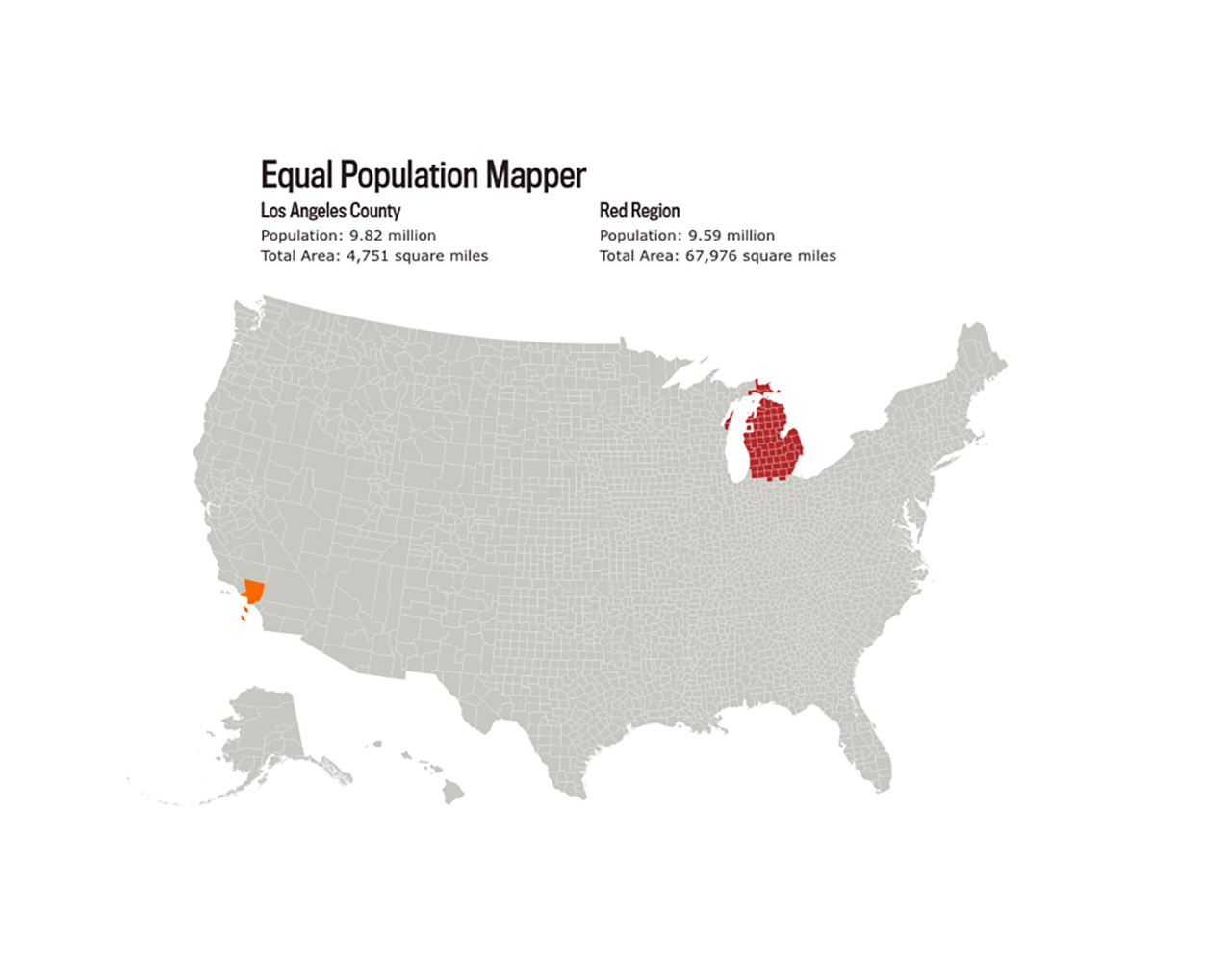
When travelers and researchers discuss the population of the region, they are often referring to Los Angeles County. This massive jurisdictional area includes 88 incorporated cities, such as Santa Monica, Beverly Hills, and Long Beach. Within the county, the population surges to nearly 10 million people. This distinction is vital for anyone planning a visit or analyzing the region’s urban infrastructure, as it explains why the freeways of Southern California are perpetually bustling with activity.
Demographic Fluidity and Trends
The population of California is in a constant state of flux. While growth rates have stabilized compared to the rapid expansion seen in the late 20th century, the city continues to attract global talent, particularly in the sectors of entertainment, aerospace, and technology. This influx ensures that the cultural fabric of the city remains diverse, with significant populations representing international communities from Mexico, South Korea, the Philippines, and Armenia.
Impact of Tourism on Population Density
Beyond the permanent residents, Los Angeles plays host to millions of visitors annually. For the hospitality industry and local businesses, these tourists effectively act as a “floating population” that dictates the rhythm of the city.
The Seasonal Surge
Tourism peaks during the summer months and around major holidays. Iconic destinations like Griffith Observatory, Venice Beach, and Universal Studios Hollywood see hundreds of thousands of additional people navigating the streets on any given day. When you combine the local commute with the sheer volume of visitors exploring The Getty Center or Downtown Los Angeles, the perceived population density is far higher than the raw statistics might suggest.

Infrastructure and Urban Capacity
This large, fluctuating population puts significant pressure on the city’s infrastructure. From the public transportation network managed by LA Metro to the vast array of dining establishments in Koreatown, the city is engineered to accommodate millions of daily inhabitants. For a visitor, this means that even during “off-peak” times, the city feels vibrant and densely populated. The challenge of moving from West Hollywood to Pasadena is often a matter of calculating how many of these 10 million people are currently sharing the road with you.
Understanding Regional Growth and Expansion
The geography of Los Angeles is unique because it is effectively a “city of suburbs.” Unlike New York City, which is characterized by vertical density, the population here is spread across a massive horizontal footprint.
The Role of Decentralization
Because so many people live in surrounding areas like the San Fernando Valley or the South Bay, the daytime population in the commercial hubs is significantly higher than the residential population at night. This daily migration creates the unique “rush hour” cycles that have become synonymous with the lifestyle of the city. Understanding this helps visitors plan their travel; staying in Culver City might feel like being in a small town, but it is deeply connected to the massive, pulsating heart of the wider metropolitan area.
Future Projections
As the city continues to modernize, urban planners are focused on increasing density near transit corridors. Projects aimed at revitalizing areas near Union Station suggest that the city is bracing for a continued increase in population over the next few decades. Despite some shifts in work-from-home trends, the pull of the Pacific Coast and the cultural magnetism of the region ensure that people from across the globe continue to relocate here.
Tips for Navigating the Crowds
For those visiting the city, the high population count shouldn’t be a deterrent; rather, it should be viewed as an opportunity to experience the density of culture.
- Strategic Scheduling: If you plan to visit high-traffic areas like Santa Monica Pier, aim for weekday mornings. The reduction in the “visitor population” makes for a more relaxed experience.
- Utilize Public Transit: During peak hours, when the roads are filled with millions of residents heading home from work, the Metro Rail can be a more efficient way to cross the city than attempting to drive through the congestion.
- Explore Neighborhoods: Because Los Angeles is so large, you can often find pockets of lower density by venturing slightly away from the primary tourist hotspots. Exploring the hills of Silver Lake or the quiet streets of Echo Park offers a different perspective on how people live in the city.
Ultimately, the question of “how many people are in Los Angeles” cannot be answered with a single number because the city is a living, breathing entity. It is a place where millions of stories intersect daily, from the permanent residents of Glendale to the fleeting tourists capturing memories at Rodeo Drive. Whether it is 4 million or 10 million, the true measure of the city is found in the energy, diversity, and sheer scale of its human experience. It remains a destination that thrives on its ability to support a vast population, constantly reinventing itself while inviting the world to join in the unique, sun-drenched chaos of Southern California.
LifeOutOfTheBox is a participant in the Amazon Services LLC Associates Program, an affiliate advertising program designed to provide a means for sites to earn advertising fees by advertising and linking to Amazon.com. Amazon, the Amazon logo, AmazonSupply, and the AmazonSupply logo are trademarks of Amazon.com, Inc. or its affiliates. As an Amazon Associate we earn affiliate commissions from qualifying purchases.