
The Mediterranean climate of Los Angeles is widely regarded as one of the most pleasant in the United States. Characterized by mild, relatively wet winters and warm to hot, dry summers, the city offers an ideal environment for year-round exploration. Because the region is influenced by the Pacific Ocean, temperatures remain moderate compared to inland areas, creating a comfortable atmosphere for tourists and residents alike.
Seasonal Variations and What to Expect
Understanding the nuances of the local climate is essential for planning a trip to Southern California. While the region is famous for its “perpetual sunshine,” subtle seasonal shifts define the rhythm of life in the city.
Spring: The Season of Renewal
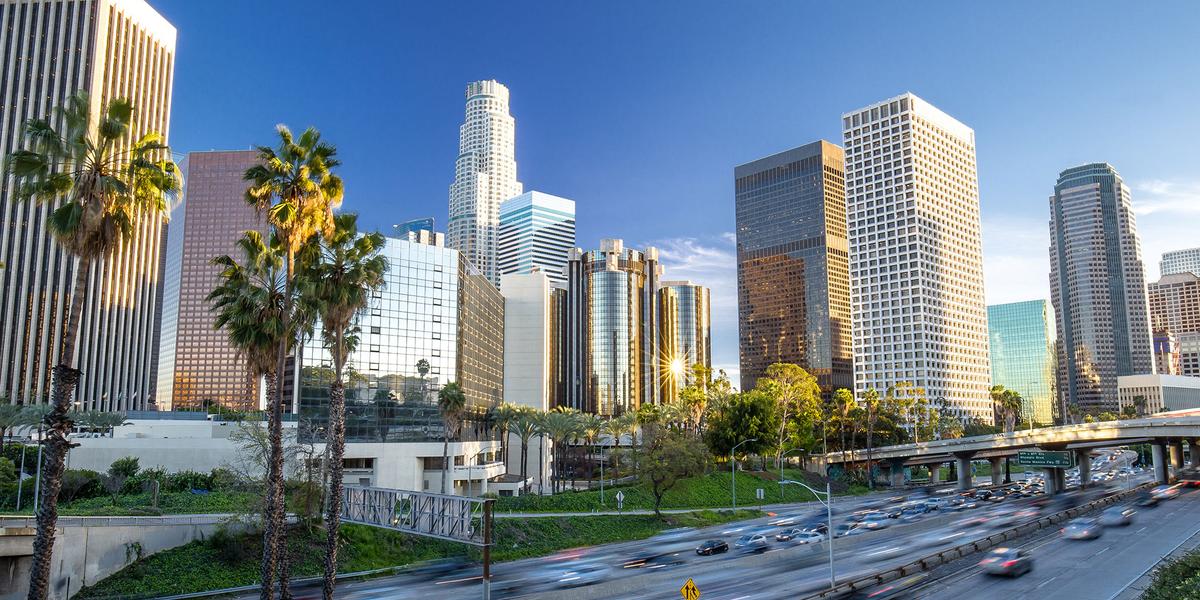
During the months of March, April, and May, Los Angeles is in a transition period. The rainy season, which typically spans from December to February, begins to taper off, and the landscape turns a vibrant green. Daytime temperatures usually hover between 65°F and 75°F. This is arguably the most comfortable time for hiking in the Santa Monica Mountains, as the air is crisp and clear.
Summer: Heat and the Marine Layer
Summer, running from June through September, brings the iconic warm weather many visitors associate with the West Coast. However, newcomers are often surprised by the “June Gloom,” a marine layer of low clouds and fog that blankets the coastline during the morning hours. By midday, this layer typically burns off, revealing intense, cloudless skies. Temperatures near the beach, such as in Santa Monica or Venice Beach, remain in the mid-70s, while inland areas like the San Fernando Valley can easily reach the 90s or triple digits.
Autumn: The Best Kept Secret
October and November are often considered the prime months for visiting. The summer crowds dissipate, and the weather remains warm and sunny, with highs averaging in the 70s. This period is also characterized by the “Santa Ana Winds,” which are warm, dry gusts blowing from the desert. While they can occasionally cause fire risks, they also push the marine layer out entirely, resulting in exceptionally crisp, high-visibility days that make for perfect photos at the Griffith Observatory.
Winter: Mild and Refreshing
Winters in Los Angeles are rarely freezing. Daytime highs generally sit comfortably between 60°F and 70°F. While January and February are the city’s rainiest months, precipitation is rarely continuous. Visitors can expect several sunny days for every rainy one, making it a popular destination for those escaping the harsh winters of the East Coast.
Geographic Influence on Local Microclimates
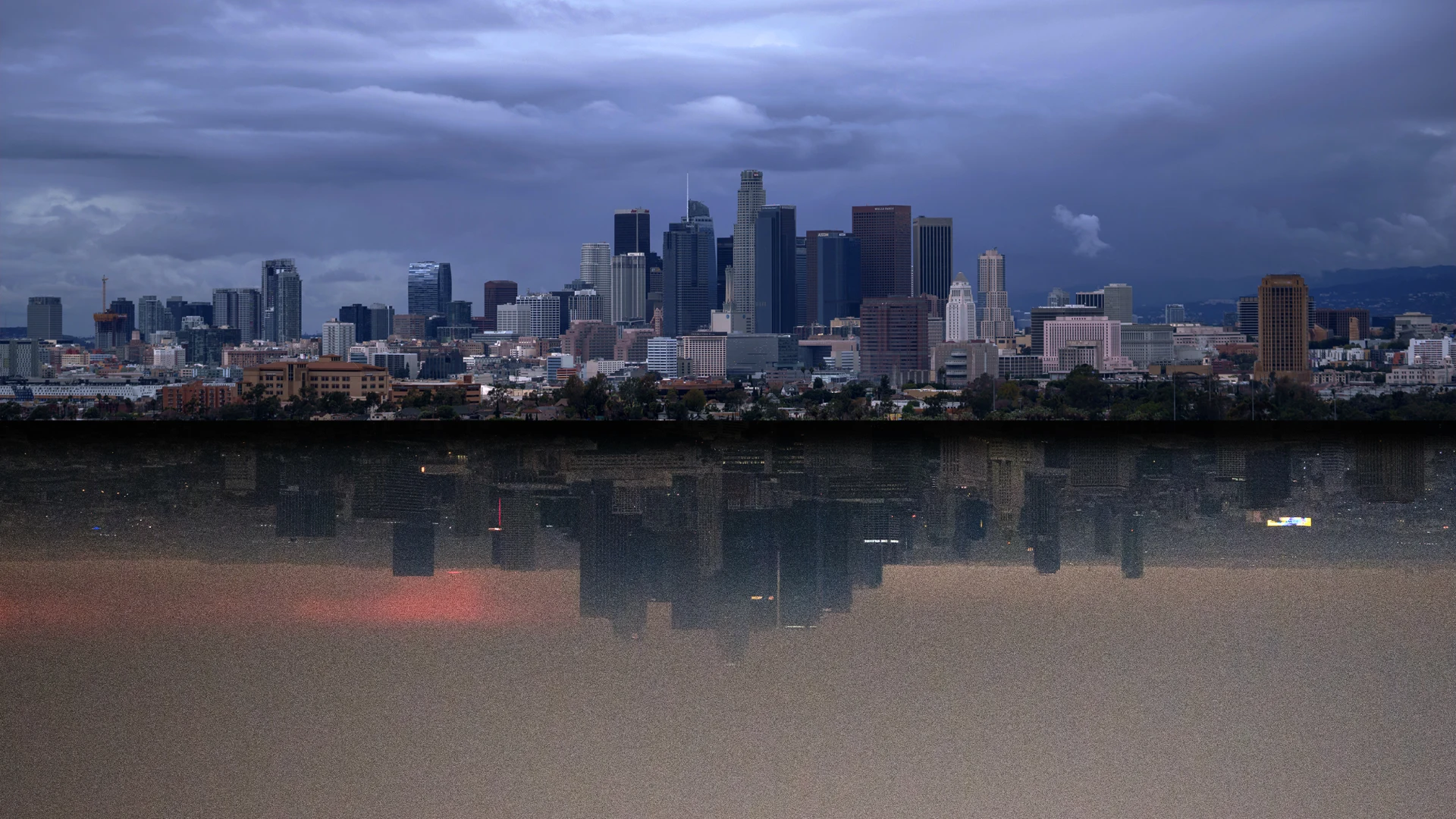
One of the most fascinating aspects of Southern California is how drastically the weather can shift within just a few miles. Because of the complex topography—ranging from vast coastlines to rugged mountain ranges—the region is defined by distinct microclimates.
The Coastal Influence
Areas directly adjacent to the Pacific Ocean enjoy a “natural air conditioning” effect. Even during the peak of summer, coastal breezes keep the thermometer significantly lower than in the downtown core or the inland valleys. If your itinerary involves spending most of your time at the Santa Monica Pier or Malibu, you should always pack a light sweater or a windbreaker, as the evening temperatures drop rapidly once the sun dips below the horizon.
The Inland Valley Effect
As you move away from the coast toward areas like Pasadena or the San Fernando Valley, the ocean’s cooling influence fades. Here, the landscape behaves more like a true desert climate. Summers are significantly hotter and more intense, and nights may not cool down as much as they do near the water. Conversely, during the winter, these areas can experience cooler nights than their coastal counterparts due to the lack of the ocean’s thermal regulation.
Mountainous Terrain
For those exploring higher elevations, such as the trails near Mount Wilson, it is vital to account for the altitude. Temperatures in the mountains are consistently 10 to 15 degrees cooler than in the basin. Snow is a rare occurrence in the urban areas of Los Angeles, but it is a standard winter feature in the nearby peaks, providing a stark contrast to the palm-lined streets below.
Practical Packing and Travel Tips
Knowing the weather is only half the battle; knowing how to dress for it is the key to a successful California trip. The culture of the city is famously casual, but the fluctuating temperatures require a strategic approach to your wardrobe.
The Layering Strategy
The golden rule for dressing in Los Angeles is “layers.” Regardless of the season, the difference between the sun-drenched afternoon and the cool, breezy evening is substantial. A typical daily outfit should consist of:
- A base layer (t-shirt or tank top).
- A light mid-layer (flannel, cardigan, or denim jacket).
- A versatile outer shell for windy days near the Pacific Coast Highway.
Sun Protection
Even on overcast days—particularly during the “June Gloom”—the sun’s intensity is high. UV rays can penetrate through thin clouds, leading to sunburns for unprepared tourists. High-SPF sunscreen, a wide-brimmed hat, and polarized sunglasses are essential items to carry when visiting outdoor landmarks like The Getty Center or Hollywood Boulevard.
Hydration and Health
The dry air of Southern California can be dehydrating, especially for visitors traveling from more humid climates. Whether you are walking through the urban sprawl of Downtown Los Angeles or hiking the trails of Runyon Canyon Park, carrying a refillable water bottle is a mandatory habit. The heat can be deceptive; because the humidity is generally low, you might not feel yourself sweating, but your body is losing moisture rapidly.

Seasonal Events and Weather Planning
When booking your trip, consider what activities you wish to prioritize. If you are interested in outdoor music festivals, open-air cinema, or beach days, June through September provides the most reliable heat. If your goal is to explore the world-class museums, such as The Broad or LACMA, or to go shopping in Beverly Hills, the cooler months of late fall and early spring offer a more comfortable climate for walking long distances. By paying attention to the local weather patterns, you can ensure that your visit to this sprawling metropolis is defined by comfort, sunshine, and unforgettable experiences.
LifeOutOfTheBox is a participant in the Amazon Services LLC Associates Program, an affiliate advertising program designed to provide a means for sites to earn advertising fees by advertising and linking to Amazon.com. Amazon, the Amazon logo, AmazonSupply, and the AmazonSupply logo are trademarks of Amazon.com, Inc. or its affiliates. As an Amazon Associate we earn affiliate commissions from qualifying purchases.