
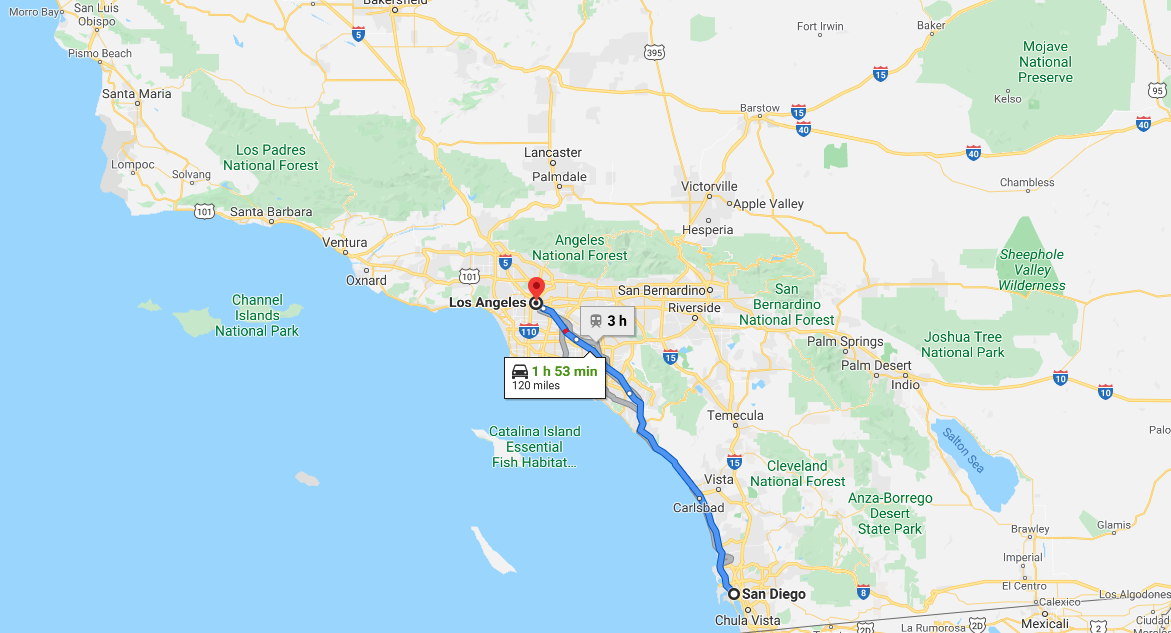
The journey from San Diego to Los Angeles is a quintessential Southern California experience. Spanning roughly 120 miles along the Pacific coast, this transit corridor connects two of the most iconic urban landscapes in the United States. Whether you are a local commuter or a visitor looking to explore the vibrant culture of the West Coast, choosing the right mode of transportation can significantly enhance your trip. From the scenic rails to the bustling freeways, here is everything you need to know about navigating the route between these two major hubs.

The Rail Experience: The Pacific Surfliner
For many travelers, the most relaxed and picturesque way to travel between these two cities is by train. The Pacific Surfliner, operated by Amtrak, offers a journey that is as much about the destination as it is about the route itself.
Scenic Coastal Views
The tracks run remarkably close to the coastline for large portions of the trip. Passengers are treated to unobstructed views of the Pacific Ocean, passing through charming coastal towns like San Clemente and Oceanside. This route allows you to bypass the notorious traffic jams that often plague the Interstate 5, providing a stress-free environment where you can read, work, or simply enjoy the sea breeze from the observation car.
Station Accessibility
The Santa Fe Depot serves as the primary gateway in downtown San Diego, while Los Angeles Union Station offers a central hub for continuing your journey into the heart of the city. Both stations are well-connected to local public transit systems, including the San Diego Trolley and the Los Angeles Metro, making it easy to reach your final destination without needing a car.
Driving: Navigating the Southern California Freeways
Driving remains the most popular way to make the trip, primarily due to the flexibility it provides. Whether you have your own vehicle or are opting for a rental, the drive typically takes between two to four hours, depending heavily on the timing and traffic patterns of Southern California.
Timing Your Departure
Traffic on the I-5 is legendary for a reason. During rush hours—typically 7:00 AM to 9:00 AM and 3:00 PM to 7:00 PM—the transit time can easily double or triple. To ensure a smoother experience, aim to depart during mid-morning or late evening hours. If you must travel during peak times, be prepared to navigate significant congestion, particularly as you approach Orange County and the southern outskirts of the Los Angeles Basin.
The Scenic Alternate: Pacific Coast Highway
If you have extra time and are not in a rush to reach the metropolitan center, consider taking portions of the Pacific Coast Highway. While it is not a direct route and involves significantly more travel time, it allows you to stop at beautiful beach towns like Laguna Beach or Newport Beach. This route offers a glimpse into the laid-back coastal lifestyle that defines the region, far removed from the intensity of the major freeways.
Bus Travel: A Budget-Friendly Alternative
For travelers prioritizing budget, coach bus services offer a reliable and efficient alternative to both trains and personal vehicles. Companies such as FlixBus and Greyhound operate multiple daily departures between the two cities.
Convenience and Cost
Bus travel is generally the most economical choice. Most buses offer amenities such as free Wi-Fi, power outlets, and reclining seats, making the travel time productive. Furthermore, these services often have pickup and drop-off points at major universities and transit hubs, such as UCLA or Downtown Los Angeles, providing more granular coverage than the train stations.
Managing Expectations
While buses are convenient, they are still susceptible to the same traffic delays as private vehicles. When booking your bus travel, ensure you check the expected traffic reports for the date of your trip. Selecting an early morning departure is usually the best strategy to maximize your time in Los Angeles and minimize exposure to the midday traffic grind.
Flying: The Quickest Transit Option
While the distance between the two cities is relatively short, flying remains an option for those who are already at the San Diego International Airport or connecting from another location.
Short-Haul Logistics
Flights from San Diego to Los Angeles International Airport are brief—often less than an hour in the air. However, it is essential to consider the total time involved, including security lines, boarding, and the transition through the airport terminal. For many, the time spent traveling to the airport and navigating security often makes flying less efficient than simply taking the train or driving, unless the flight is part of a larger, long-haul itinerary.

Tips for a Seamless Transition
Regardless of your chosen mode of transportation, a few simple tips can go a long way in ensuring your transit between these two cities is seamless.
- Utilize Ride-Sharing Apps: Whether arriving at a station or an airport, services like Uber and Lyft are widely available in both cities. They are perfect for bridging the “last mile” between the transport hub and your specific hotel.
- Download Local Transit Apps: Having the apps for Metro or regional transit authorities allows you to check for delays in real-time, helping you adjust your itinerary on the fly.
- Prepare for the Weather: While the climate in Southern California is generally mild, temperatures can vary significantly between the coast and inland areas. Dressing in layers will keep you comfortable throughout your journey.
- Explore the Intermediate Cities: If you are driving, do not feel obligated to make the trip in one go. Stopping in Carlsbad for coffee or Long Beach for lunch can turn a mundane transit day into a mini-adventure.
Ultimately, the best way to travel from San Diego to Los Angeles depends entirely on your priorities. Whether you value the panoramic ocean views offered by the Pacific Surfliner, the independence of driving your own car, or the cost-effectiveness of a bus, both cities are incredibly accessible. By planning ahead and choosing the method that aligns with your schedule and preferences, you can ensure that your transition between these two massive urban centers is smooth, efficient, and perhaps even a highlight of your California trip. Regardless of the route you take, you are essentially traveling through the heart of America’s West Coast, enjoying a corridor of innovation, culture, and stunning natural beauty.
LifeOutOfTheBox is a participant in the Amazon Services LLC Associates Program, an affiliate advertising program designed to provide a means for sites to earn advertising fees by advertising and linking to Amazon.com. Amazon, the Amazon logo, AmazonSupply, and the AmazonSupply logo are trademarks of Amazon.com, Inc. or its affiliates. As an Amazon Associate we earn affiliate commissions from qualifying purchases.