
When travelers begin planning their inaugural trip to Southern California, they are often met with a geographical puzzle that can lead to significant logistical confusion. The name Los Angeles is used interchangeably to describe both a sprawling urban metropolis and a massive administrative region. Understanding the distinction between the city and the county is not just a matter of semantics; it is essential for navigating the region’s complex transportation network, booking the right accommodation, and planning an itinerary that captures the true essence of this iconic Pacific destination.
The City of Los Angeles: A Defined Urban Core
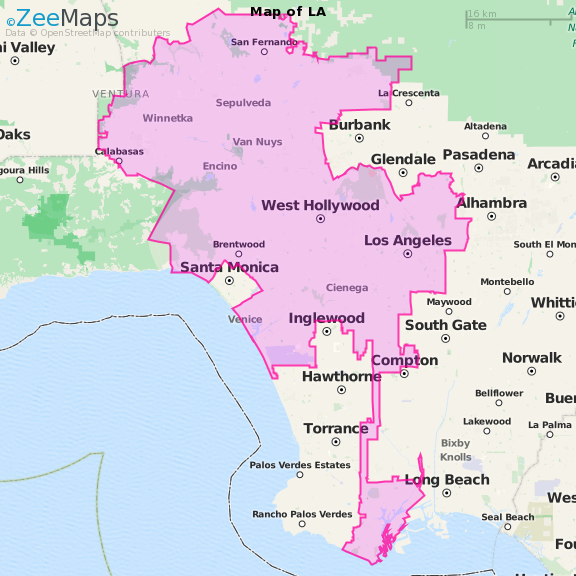
The City of Los Angeles is a municipal corporation, governed by a mayor and a city council. It represents the dense urban core that most international tourists envision when they think of the “Big Orange.” When you stand in Hollywood or stroll down the Santa Monica Pier, you are technically within the limits of this city.
Distinct Districts and Neighborhoods
The city itself is a collection of diverse neighborhoods, each with its own character and cultural identity. From the luxury boutiques of Beverly Hills—which is actually an independent city surrounded by Los Angeles—to the historic cultural hubs like Chinatown and Little Tokyo, the city is a tapestry of micro-destinations. Visitors often mistakenly believe they are moving through different cities when they cross from Silver Lake to Echo Park, but they remain within the official city limits.
Municipal Boundaries and Service Areas
Because the city is a legal entity, it manages its own local police force, the Los Angeles Police Department, and its own utility services. For the traveler, this means that public transport routes, such as the Metro Rail, are primarily focused on serving the city center and the most populated corridors. Understanding this boundary helps when navigating municipal taxes on hotel bookings or identifying which emergency services to contact in the rare event of a mishap.
Los Angeles County: The Sprawling Regional Giant
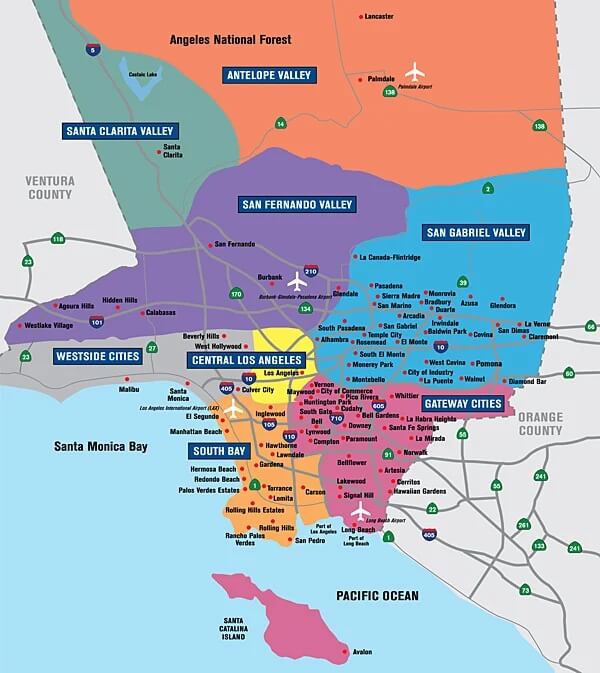
Beyond the city borders lies Los Angeles County, a gargantuan entity that encompasses over 4,000 square miles. To put the scale into perspective, if the county were a state, it would be more populous than most countries in Europe. The county is a governmental body that provides regional services, such as public health, the sheriff’s department, and regional planning, to 88 distinct incorporated cities and vast unincorporated territories.

Understanding Incorporated vs. Unincorporated Areas
It is a common point of confusion for visitors to find themselves in a place like Malibu or Long Beach, both of which are independent cities located within the geography of Los Angeles County. These cities have their own local governments and identities. Conversely, some areas are “unincorporated,” meaning they do not belong to any specific city and are governed directly by the county’s Board of Supervisors. Altadena is a prime example of a community that feels like a city but is technically an unincorporated part of the county.
Why Geography Matters for Tourism
For the tourist, the distinction between city and county is vital for transportation and time management. Driving from the Downtown Los Angeles city center to a beach in the county can take significantly longer than a map might suggest due to the heavy traffic on the 405 Freeway. When you look at a map, the “County” includes everything from the high-desert mountain ranges of the San Gabriel Mountains to the coastal cliffs of the Palos Verdes Peninsula.
Navigating the Greater Los Angeles Area
Most travelers refer to the entire region as “LA,” but the reality is that the region functions as a collection of interconnected hubs. Whether you are staying in a high-rise in Century City or a beachside bungalow in Venice Beach, you are constantly traversing both city and county lines without even realizing it.
Strategic Itinerary Planning
When building an itinerary, it is more practical to think in terms of “regions” rather than legal boundaries.
- The Coastal Region: Includes Santa Monica, Venice, and Manhattan Beach.
- The Central Hub: Encompassing West Hollywood, Mid-City, and the Museum Row area.
- The Valley: Known as the San Fernando Valley, housing major studios like Universal Studios.
- The Foothills: Areas like Pasadena, famous for the Rose Bowl and historic architecture.
Transportation Realities
Public transit systems often bridge these gaps, but they are subject to regional jurisdictional differences. The Los Angeles County Metropolitan Transportation Authority (Metro) is the primary agency that connects the city to the outer reaches of the county. However, some independent cities have their own local bus lines. Recognizing that you are traveling across multiple jurisdictions can save you from missed connections or unexpected fare changes.
Conclusion: Embracing the Complexity of LA
Whether you view Los Angeles through the lens of a city or a county, the experience remains one of the most culturally enriching adventures in North America. The city offers the pulse of urban life, high-end dining, and world-class museums like the Getty Center, while the county offers a diverse array of environments ranging from lush botanical gardens to untamed rugged coastlines.
Ultimately, the best way to approach your visit is to stop worrying about the precise borders. Focus instead on the specific neighborhoods and landmarks that draw you to this vibrant corner of the globe. From the bustling Los Angeles International Airport to the quiet trails of Griffith Park, the region is a sprawling, unified destination that thrives on its sheer scale and diversity. By acknowledging the difference between the city and the county, you empower yourself to navigate the area more effectively, ensuring that your time is spent enjoying the sunshine and the unique lifestyle that defines this legendary part of the United States. Whether you are here for the Hollywood Sign or the serene beaches of Malibu Lagoon, you are participating in a massive, interconnected experience that defines what it means to travel in the modern age.
LifeOutOfTheBox is a participant in the Amazon Services LLC Associates Program, an affiliate advertising program designed to provide a means for sites to earn advertising fees by advertising and linking to Amazon.com. Amazon, the Amazon logo, AmazonSupply, and the AmazonSupply logo are trademarks of Amazon.com, Inc. or its affiliates. As an Amazon Associate we earn affiliate commissions from qualifying purchases.