
For travelers and newcomers alike, the sprawling geography of Southern California can be notoriously confusing. When you arrive at Los Angeles International Airport, you are stepping into a massive, interconnected network of urban centers that often defy simple categorization. The common question, “Is Los Angeles a city or a county?” reveals the complexity of this region. The answer is that it is both, and understanding the distinction is essential for navigating the area, planning your itinerary, and truly experiencing the local culture of this iconic United States destination.
The Distinction: Defining the City and the County
To navigate California effectively, one must recognize that Los Angeles serves two primary administrative functions. The City of Los Angeles is a distinct municipality—a local government entity with its own mayor, city council, and police department. It encompasses famous neighborhoods like Hollywood, Venice Beach, and Downtown Los Angeles.
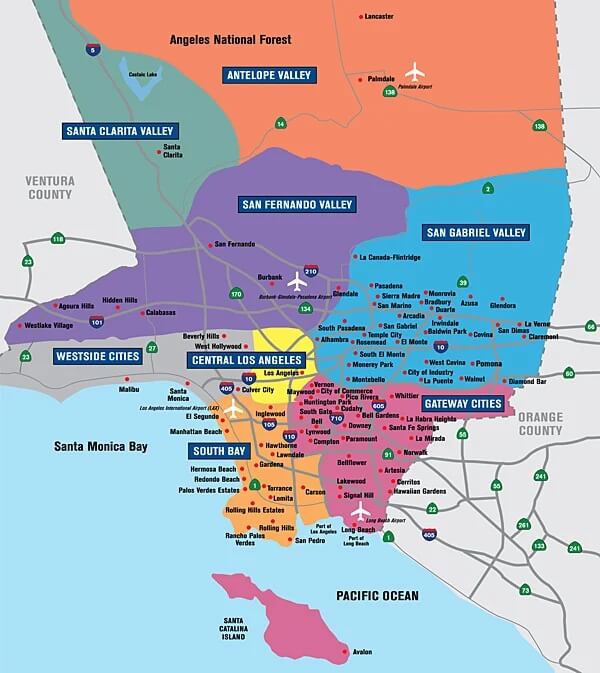
However, the County of Los Angeles is a much larger administrative region that stretches from the borders of Ventura County to Orange County. This massive jurisdictional area includes the city of Los Angeles, but it also encompasses 87 other incorporated cities, such as Santa Monica, Beverly Hills, Pasadena, and Long Beach.
Why Geography Matters for Visitors
When you book a trip to the region, knowing whether you are in the city or just within the county lines significantly impacts your experience. If you are staying in West Hollywood, you are technically in a separate city from the main municipality of Los Angeles, even though they share a border. Each individual city has its own local laws, tax rates, and, most importantly, distinct character. Travelers often find that the vibe of a coastal town like Malibu feels worlds apart from the urban intensity of the San Fernando Valley.
Exploring the Cultural Tapestry of Los Angeles County
Because Los Angeles County is the most populous county in the North America continent, it functions as a collection of diverse villages rather than a single homogenous block. This creates a wealth of opportunities for those interested in local culture, food, and activities. The diversity of the region is reflected in its neighborhoods, each offering a unique window into the broader Southern California experience.

Coastal Enclaves and Beach Culture
The coastline within the county offers a variety of environments. Manhattan Beach provides a more residential, upscale feel compared to the bohemian, eclectic streets of Venice Beach. Meanwhile, Redondo Beach serves as a classic pier-focused destination that captures the historical spirit of the Pacific shoreline. These locations are all within the county, but they offer vastly different daily rhythms and cultural atmospheres for visitors looking to soak up the sun.
Inland Gems and Architectural History
Moving away from the coast, the landscape changes dramatically. In the northern part of the county, you find the San Gabriel Valley, a hub of incredible international cuisine and cultural heritage. Heading toward the mountains, the architecture shifts as well. Griffith Observatory offers a vantage point that overlooks the entire Los Angeles Basin, providing a visual representation of how the city and county weave together into one massive metropolitan expanse.
Practical Tips for Navigating the Region
Navigating a place that is both a city and a county requires a strategic approach. Traffic is an inevitable part of the local experience, and understanding the layout can save hours of transit time. Whether you are moving between The Getty Center and the Santa Monica Pier, or making your way from Echo Park to the Rose Bowl, knowing your geography helps.
Transport and Logistics
- Understand City Boundaries: Apps and maps often show the city limits of Los Angeles as a sprawling, non-contiguous shape. Don’t be surprised if your destination is listed as being in “Los Angeles” even if it is miles away from the city center.
- The “County” Advantage: Many major tourist attractions, such as the Six Flags Magic Mountain in Valencia, are located within the county but outside the city limits. Plan your travel based on traffic corridors rather than city lines.
- Local Culture and Transit: Relying on the Los Angeles Metro is easier if you stay within the city center, but as you venture into the outer reaches of the county, renting a car often becomes a necessity to reach the diverse array of parks, beaches, and dining establishments tucked into the various incorporated cities.
The Role of Landmarks in Defining the Identity
Landmarks often transcend the boundaries of city versus county. The Hollywood Sign, while located within the city of Los Angeles, is a symbol for the entire region. Conversely, places like Catalina Island are technically part of the county, offering a remote escape that feels like a separate trip entirely.

Landmarks as Cultural Touchstones
When you visit the Los Angeles County Museum of Art, you are engaging with an institution that represents the breadth of the county’s commitment to culture. Similarly, the TCL Chinese Theatre on the Hollywood Walk of Fame draws thousands to the city core every day. These locations anchor the visitor experience, grounding you in the history of the film industry and the local artistic scene that defines Southern California for the rest of the world.
Whether you consider yourself a city explorer or a regional adventurer, the distinction between Los Angeles as a city and a county matters only insofar as it helps you plan a better trip. It is a vast, beautiful, and complex region that rewards those who take the time to look beyond the name on the map. By embracing the variety within its borders—from the high-energy streets of West Hollywood to the tranquil, scenic trails near Malibu—you will find that Los Angeles offers an endless supply of experiences, regardless of how you define its political boundaries. Dive into the local food, walk the diverse neighborhoods, and appreciate the scale of this magnificent corner of the Pacific Coast.
LifeOutOfTheBox is a participant in the Amazon Services LLC Associates Program, an affiliate advertising program designed to provide a means for sites to earn advertising fees by advertising and linking to Amazon.com. Amazon, the Amazon logo, AmazonSupply, and the AmazonSupply logo are trademarks of Amazon.com, Inc. or its affiliates. As an Amazon Associate we earn affiliate commissions from qualifying purchases.