
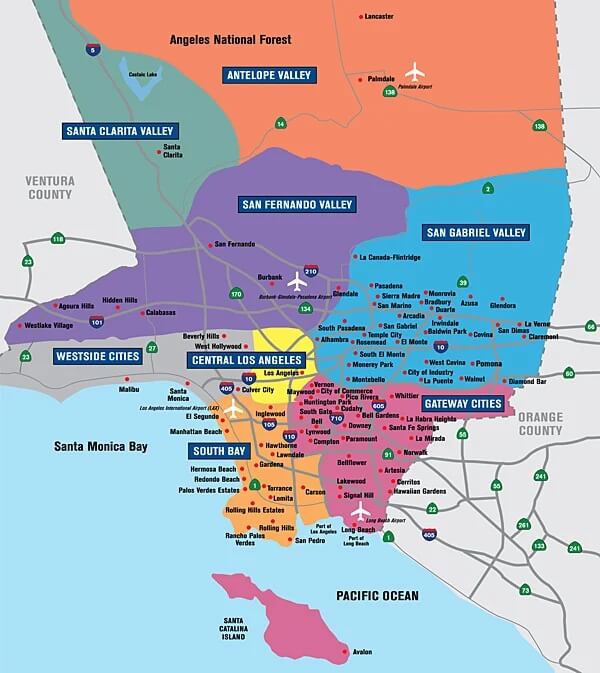
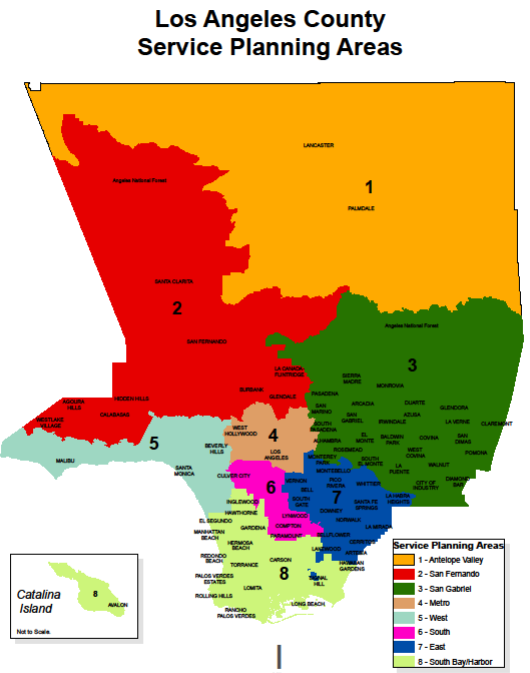
Spanning over 4,000 square miles, Los Angeles County is a geographical and cultural titan that defies a singular definition. Located in the heart of Southern California, it is the most populous county in the United States. More than just a sprawl of urban concrete, it is a complex tapestry of 88 incorporated cities, unincorporated communities, mountain ranges, vast desert stretches, and a stunning coastline along the Pacific Ocean. To understand this region is to understand the quintessential American experience of diversity, innovation, and expansion.
A Geographic Mosaic of Contrasts
The topography of this region is defined by its dramatic variety. One can stand on the sun-drenched shores of Santa Monica in the morning and be hiking through the snowy peaks of the San Gabriel Mountains by the afternoon. This radical shift in landscape is what makes the area so attractive to residents and visitors alike.
The Coastal Fringe
The coastline of this county serves as its front door. From the bohemian energy of Venice Beach to the upscale, serene bluffs of Malibu, the western edge is a defining feature of the lifestyle here. These beaches are not merely recreational spaces; they are integral to the identity of the county, influencing everything from its architectural styles to its pervasive culture of outdoor wellness.
Inland Valleys and Desert Expanses
Moving inland, the geography shifts to the San Fernando Valley and the San Gabriel Valley, which act as the engines of the county’s suburban and economic life. Beyond these residential hubs lies the Antelope Valley, a high-desert region that showcases the vast scale of the county, pushing toward the borders of Kern County and San Bernardino County.
A Global Hub for Culture and Economy
Beyond its physical boundaries, the county serves as a global powerhouse. Its influence is exported worldwide through entertainment, technology, and trade. The concentration of industry within this region creates a unique socioeconomic environment that is constantly reinventing itself.
The Entertainment Capital
The identity of the county is inextricably linked to Hollywood. While the studio system has evolved, the area remains the epicenter of the global film and television industry. Iconic landmarks such as the Griffith Observatory and the Hollywood Sign are not just tourist stops; they are symbolic reminders of the county’s historical role in shaping global narrative and celebrity culture.
A Gateway of International Commerce
With the Port of Los Angeles located in San Pedro, the county functions as the primary maritime gateway between the United States and the Pacific Rim. This trade infrastructure has fostered a deeply multicultural demographic, making the area one of the most ethnically diverse regions on the planet. This diversity is reflected in the culinary landscape, where one can traverse the globe—from the authentic taco trucks of East Los Angeles to the dim sum houses of the San Gabriel Valley—within a single afternoon.
Navigating the Urban Tapestry
Traveling through the county requires an understanding of its unique urban structure. Unlike many older cities built around a single, dense downtown core, this region is a “polycentric” metropolis, meaning it is comprised of many different nodes of activity.
The Core: Downtown Los Angeles
Downtown Los Angeles, or DTLA, has undergone a massive resurgence in recent decades. It is the civic and historical center of the county, home to the Walt Disney Concert Hall, Grand Central Market, and the Broad Museum. It represents the density and architectural ambition that characterizes the urban heart of the county.
Iconic Neighborhoods and Cities
The county is composed of distinct enclaves, each offering a specific flavor of life:
- Beverly Hills: Known globally for luxury, high-end fashion, and iconic estates.
- Pasadena: Famous for its historic Craftsman-style architecture, the Rose Bowl, and the California Institute of Technology.
- Long Beach: A maritime city with a gritty, authentic edge, home to the historic Queen Mary ship.
- Culver City: A rising tech and media hub that blends historic film history with modern corporate innovation.
The Future of the Region
As the county moves further into the 21st century, it faces the challenges and opportunities of rapid urbanization and environmental change. Sustainability and transit expansion are becoming central to the conversation. Projects like the expansion of the Los Angeles Metro are slowly but surely changing how residents and visitors interact with the vast landscape.
A Commitment to Sustainability
The region is increasingly focused on water conservation and the preservation of its natural resources. From the Santa Monica Mountains National Recreation Area to the urban gardens being cultivated in formerly industrial zones, there is a clear shift toward creating a more livable and resilient environment for the millions of people who call this place home.

Preservation and Progress
Preserving the architectural heritage of cities like Pasadena and Glendale while accommodating the demands of a high-tech economy is the defining balancing act of the region. As Los Angeles County continues to grow, it remains a laboratory for the American Dream—an ever-changing, sprawling, and exhilarating place that refuses to stop evolving. Whether you are interested in the glitz of the entertainment world, the serenity of the Pacific Ocean, or the rich historical narratives etched into its streets, this county offers a depth that few other places in the world can replicate. It is not just a location on a map; it is a complex, living entity that captures the imagination of the entire world.
LifeOutOfTheBox is a participant in the Amazon Services LLC Associates Program, an affiliate advertising program designed to provide a means for sites to earn advertising fees by advertising and linking to Amazon.com. Amazon, the Amazon logo, AmazonSupply, and the AmazonSupply logo are trademarks of Amazon.com, Inc. or its affiliates. As an Amazon Associate we earn affiliate commissions from qualifying purchases.