
The sprawling metropolis of Los Angeles is a global icon of entertainment, ambition, and cultural diversity. While millions flock to its sun-drenched boulevards every year to catch a glimpse of the Hollywood sign or stroll the sands of Santa Monica, few pause to consider the etymological journey of the city’s name. The question of what the “real” name of this city is leads us back to a time long before high-speed freeways and the glitz of the Beverly Hills lifestyle defined the landscape.
The Original Title: A Long-Form Testament to Faith
The modern name of the city is actually a truncated, Anglicized version of a much longer, more poetic Spanish title. When a group of pobladores (settlers) founded a small farming community along the banks of the Los Angeles River in 1781, they did not name it “Los Angeles.” Instead, the settlement was christened El Pueblo de la Reina de los Ángeles, which translates to “The Town of the Queen of the Angels.”

The Religious Origins
The name was chosen to honor the Virgin Mary, who is referred to in the Catholic tradition as the Queen of the Angels. This naming convention was common among the Spanish missions and colonial outposts in Alta California, reflecting the deep religious influence of the Franciscan friars who established a chain of missions throughout the region.
The Evolution of the Moniker
Over the decades, the name underwent a series of linguistic shifts. As California transitioned from Spanish rule to Mexican rule, and eventually became a state within the United States, the long-winded colonial title proved cumbersome for administrative and casual use. By the time the city was incorporated in 1850, it had become officially known as the “City of Los Angeles.” The local residents, over time, simply shortened it to LA or the full Spanish phonetic equivalent, shedding the religious modifiers but keeping the angelic essence intact.
The Pre-Colonial Landscape: The Tongva Legacy
While the Spanish nomenclature is the “real” name in terms of official historical records, it ignores the millennia of human habitation that preceded European arrival. To truly understand the identity of the land, one must look to the Tongva people, the indigenous group who stewarded the Los Angeles Basin for thousands of years.
Understanding Tovaangar
The Tongva people referred to their ancestral homeland—which encompasses the modern-day city and much of the surrounding county—as Tovaangar. This name represents a deep connection to the environment, acknowledging the geographical features, the sacred sites, and the wildlife that define the region.
The Importance of Indigenous Recognition
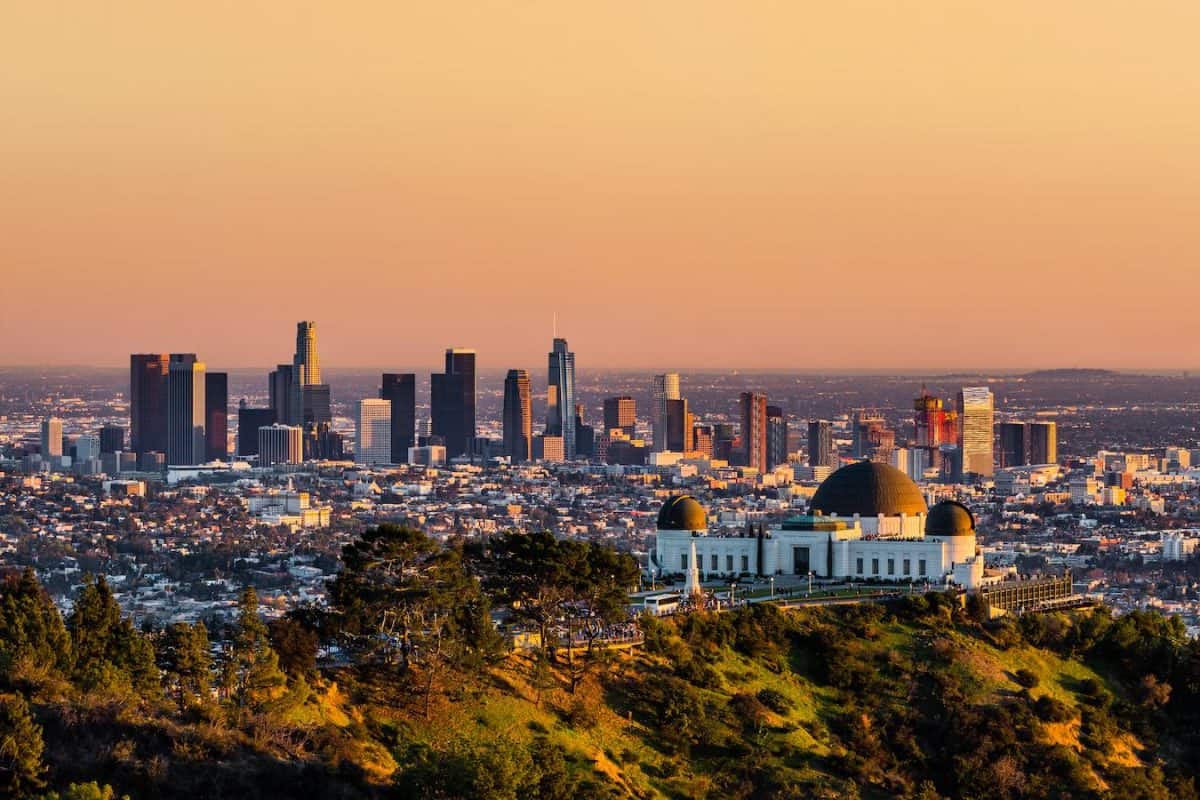
In recent years, there has been a growing movement to recognize and honor these indigenous roots. Public institutions, landmarks, and city departments have begun implementing land acknowledgments, recognizing that the very ground upon which institutions like The Getty Center or the University of California Los Angeles sit is historically Tovaangar. While the name “Los Angeles” is universally recognized, acknowledging the original name serves as a vital bridge to a deeper understanding of the region’s history.
Geography and Identity: Why the Name Matters
Names of cities often dictate how the world perceives them, and Los Angeles is no exception. The city’s identity is intrinsically linked to the concept of “The Angels,” a descriptor that has shaped its mythology as a place of dreams, salvation, and sometimes, heavenly excess.
From Farming Village to Global Megalopolis
When the town was founded, the settlers likely had no conception of the massive urban sprawl that would one day stretch from the Pacific Ocean to the high desert. The name El Pueblo de la Reina de los Ángeles was appropriate for a sleepy agricultural outpost, but it has somehow managed to retain its relevance even as the city transformed into an industrial and cultural powerhouse. The irony of calling a city of nearly four million people—known for its intense traffic and grit—the “City of the Angels” has fueled everything from noir literature to blockbuster cinema.
The Myth and the Reality
The duality of the name has played a significant role in the cultural development of the city. Writers and artists have long played with the juxtaposition of “angels” and the often-dark underbelly of urban life found in places like Downtown Los Angeles. The name implies a heavenly standard that the city is constantly striving to meet, or perhaps failing to live up to, depending on which critic you ask.
Linguistic and Cultural Significance Today
Today, the name Los Angeles serves as a bridge between the city’s complex past and its cosmopolitan present. It stands as a testament to the Spanish-speaking influence that remains the heartbeat of the region, visible in every neighborhood from East Los Angeles to the historic Olvera Street.
Preserving Heritage in a Modern Era
As the city evolves into a diverse global hub, preserving the history of its name serves as an important anchor for the community. The Spanish heritage, represented by the name, is celebrated annually during events that commemorate the founding of the city. These celebrations serve as a reminder that the city is not just a destination for tourists traveling to Universal Studios Hollywood or Griffith Observatory, but a historical site with deep roots.

A Name That Transcends Borders
Perhaps the most interesting aspect of the name is its ubiquity. Whether you are in Tokyo, London, or Mexico City, the name evokes a specific set of images and emotions. It is a name that commands attention, representing the promise of a better life or the pursuit of artistic fame.
While the “real” name is a linguistic evolution from a colonial decree, it has become something far more expansive than its original intent. It is a label for a sprawling, multifaceted region that refuses to be defined by a single descriptor. By acknowledging the full history—from Tovaangar to El Pueblo de la Reina de los Ángeles to the modern-day Los Angeles County—we gain a much richer appreciation for the city. It is a name that carries the weight of history, the spirit of the indigenous ancestors, and the aspirations of the millions who call it home.
LifeOutOfTheBox is a participant in the Amazon Services LLC Associates Program, an affiliate advertising program designed to provide a means for sites to earn advertising fees by advertising and linking to Amazon.com. Amazon, the Amazon logo, AmazonSupply, and the AmazonSupply logo are trademarks of Amazon.com, Inc. or its affiliates. As an Amazon Associate we earn affiliate commissions from qualifying purchases.