
For many, Los Angeles is synonymous with eternal sunshine, swaying palm trees, and the golden glow of a Mediterranean climate. As a premier global destination, this sprawling metropolis offers more than just the glitz and glamour of Hollywood; it offers a predictable, albeit nuanced, meteorological pattern that draws millions of travelers annually. Understanding the rhythm of the Southern California atmosphere is essential for planning the perfect itinerary, whether you are aiming to hike the Santa Monica Mountains or lounge on the pristine sands of Malibu.
The Mediterranean Advantage: A Year-Round Escape
The weather in California is categorized by experts as a Mediterranean climate, characterized by mild, wet winters and warm, dry summers. Because of the city’s proximity to the Pacific Ocean, the temperature is moderated by marine breezes, preventing the extreme fluctuations often found in landlocked regions of the United States.
The Myth of Perpetual Summer
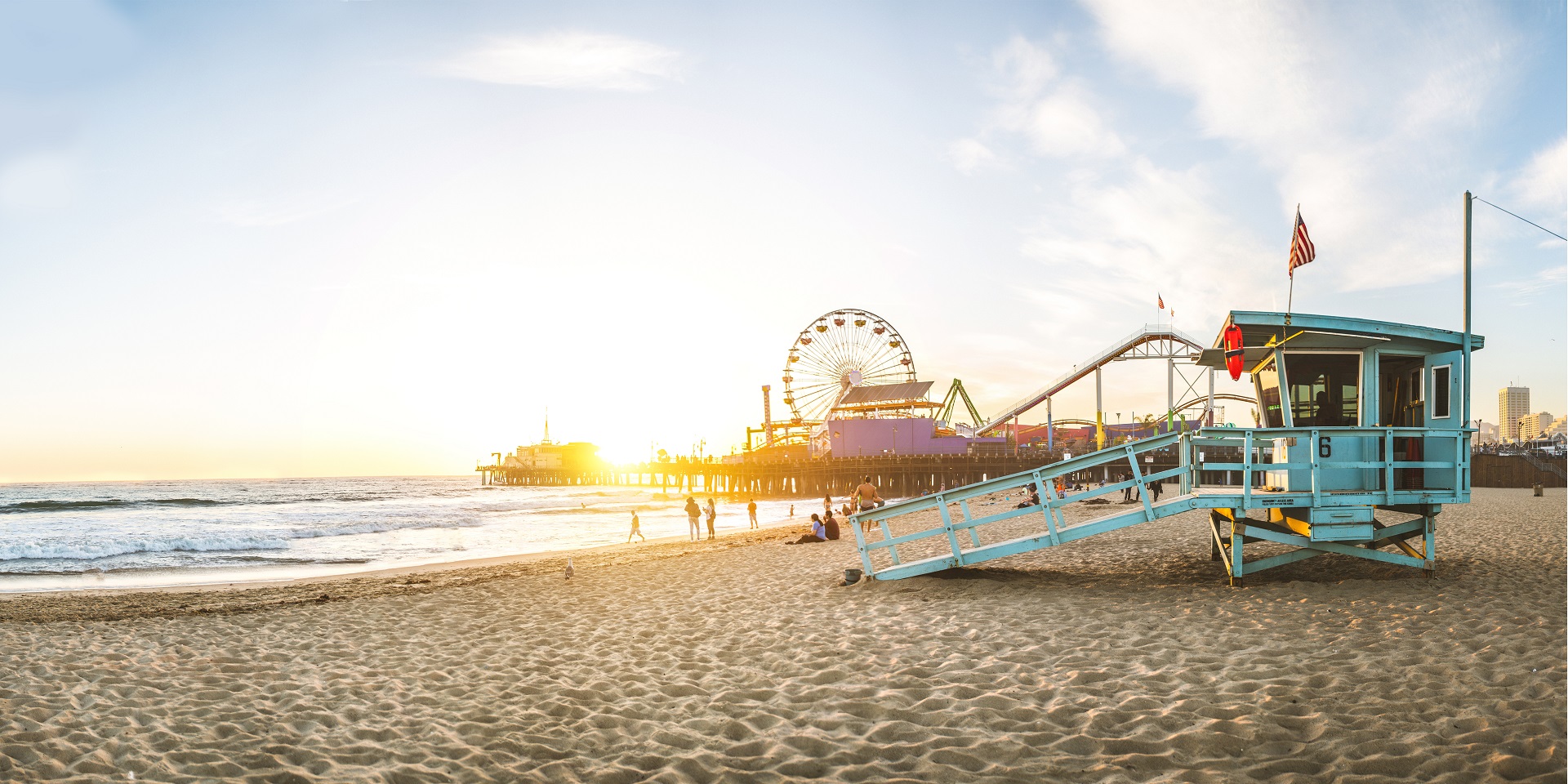
While it is true that Los Angeles enjoys over 280 days of sunshine per year, it is not always “hot.” The reality is a comfortable, temperate environment. During the peak of summer, temperatures rarely become oppressively humid. Instead, the air remains crisp, provided one stays near the coastline. As you move inland toward the San Fernando Valley, temperatures can spike significantly, creating a stark contrast between a breezy morning at Santa Monica Beach and a sweltering afternoon in Woodland Hills.
The Marine Layer Phenomenon
A defining characteristic of local weather is the “June Gloom.” This meteorological phenomenon occurs when a thick marine layer blankets the coast in low-hanging clouds and mist during late spring and early summer. While it may dampen the spirits of those seeking intense heat, it serves as nature’s air conditioning, keeping the coastal areas pleasant and cool. By midday, the sun typically burns through the haze, revealing the brilliant blue skies for which Southern California is famous.
Seasonal Shifts: When to Visit
Determining the “best” time to visit depends heavily on your tolerance for heat and your desire to avoid crowds. The seasons in this region function differently than they do in the Northeast or the Midwest.
Spring: The Time of Renewal
From March to May, the region experiences mild temperatures typically ranging from the mid-60s to the low 70s Fahrenheit. This is arguably the most beautiful time to explore outdoor landmarks like the Griffith Observatory. The vegetation is lush after the winter rains, and the air quality is often at its clearest. It is an ideal window for travelers who wish to engage in urban exploration without the heavy perspiration associated with July and August.
Summer: The Peak Season
Summer officially kicks off in June and stretches through September. This is when Venice Beach and Manhattan Beach see their highest foot traffic. Daytime highs often reach the 80s near the coast and can climb into the 90s or triple digits further inland. If your travel plans center around water activities or beach lounging, this is the prime time to visit. However, be prepared to book your accommodations early, as demand at coastal properties surges during these months.
Autumn: The Secret Season
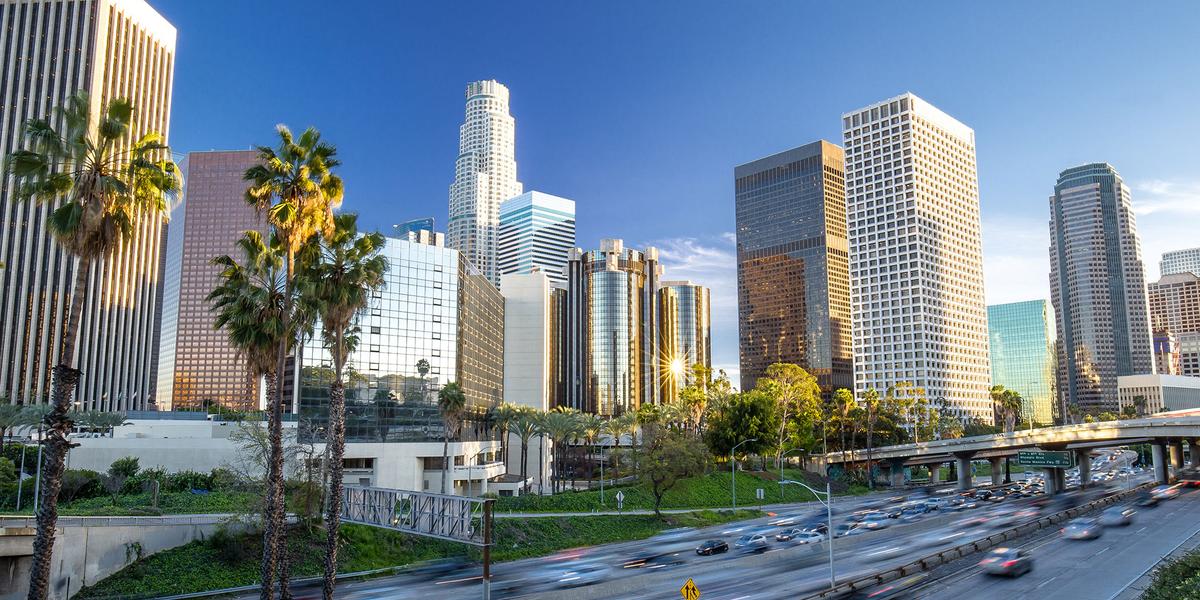
Many locals argue that autumn—specifically October and November—is the best time of year. The summer heat dissipates, replaced by warm, dry days and cool, refreshing nights. This is also when the Santa Ana Winds make their appearance. These offshore winds bring dry air from the deserts, which can result in remarkably clear views of the Pacific Ocean and the Downtown Los Angeles skyline.
Winter: The Rainy Season
Winter in Los Angeles is generally mild, with daytime temperatures hovering in the mid-60s. While January and February are statistically the wettest months, rain here usually manifests as brief, intermittent showers rather than prolonged, gray storms. For visitors from colder climates, this “winter” feels like a pleasant spring. It is the perfect time to visit cultural institutions like the Getty Center or the Los Angeles County Museum of Art without the usual throngs of summer tourists.
Microclimates: Navigating the Topography
One of the most fascinating aspects of travel in Los Angeles is the presence of microclimates. Because of the diverse geography—ranging from the Santa Monica Mountains to the sprawling basins—the temperature can vary by as much as 15 degrees within a short twenty-minute drive.
The Coastal Fringe
Areas bordering the ocean, such as Pacific Palisades and Redondo Beach, remain remarkably temperate throughout the year. The ocean breeze acts as a regulator, keeping these neighborhoods cooler in the summer and warmer in the winter. If you are sensitive to extreme weather, sticking to the coastal corridor is your safest bet.
The Inland Basins
As you travel away from the water, the cooling effect of the Pacific Ocean diminishes. Neighborhoods such as Pasadena or Burbank can be quite warm during the summer months. These inland valleys are shielded from the ocean breeze by the coastal mountain ranges, leading to higher heat retention. Conversely, these areas can also experience cooler, “frostier” mornings during the winter as the cold air settles into the lower-lying basin areas.

Practical Advice for Your Travel Wardrobe
Packing for a trip to Los Angeles requires a strategic approach. The “layers” philosophy is the golden rule of local dressing.
- Lightweight Fabrics: Even in the heat of summer, natural fibers like cotton and linen are best for keeping cool.
- The “Evening Layer”: Never leave your hotel—even in July—without a light sweater or jacket. Once the sun dips below the horizon, the temperature drops rapidly, and the evening air near the Pacific Ocean can turn quite chilly.
- Sun Protection: The California sun is deceptively strong, even on cloudy days. High-SPF sunscreen, polarized sunglasses, and a wide-brimmed hat should be staples of your day bag, whether you are visiting Beverly Hills or trekking through Runyon Canyon Park.
- Footwear: Given that the city is best explored on foot in many areas, prioritize comfortable walking shoes. The varying terrain—from sandy beaches to concrete city blocks—demands versatility.
By respecting the subtle shifts in the climate and understanding the unique geography of Southern California, you can ensure that your visit is comfortable, enjoyable, and perfectly suited to the environment. Whether you are seeking the warmth of the summer sun or the crisp, clear air of the autumn months, the city remains one of the most inviting travel destinations on the planet.
LifeOutOfTheBox is a participant in the Amazon Services LLC Associates Program, an affiliate advertising program designed to provide a means for sites to earn advertising fees by advertising and linking to Amazon.com. Amazon, the Amazon logo, AmazonSupply, and the AmazonSupply logo are trademarks of Amazon.com, Inc. or its affiliates. As an Amazon Associate we earn affiliate commissions from qualifying purchases.