
The allure of Los Angeles is intrinsically tied to its legendary climate. Often described as the city of eternal spring, the weather in this sprawling metropolis is a defining characteristic of the Southern California lifestyle. Whether you are a local planning your week or a traveler prepping for a dream vacation to the United States, understanding the nuances of the local atmosphere is essential for maximizing your experience under the sun.
Understanding the Microclimates of Southern California
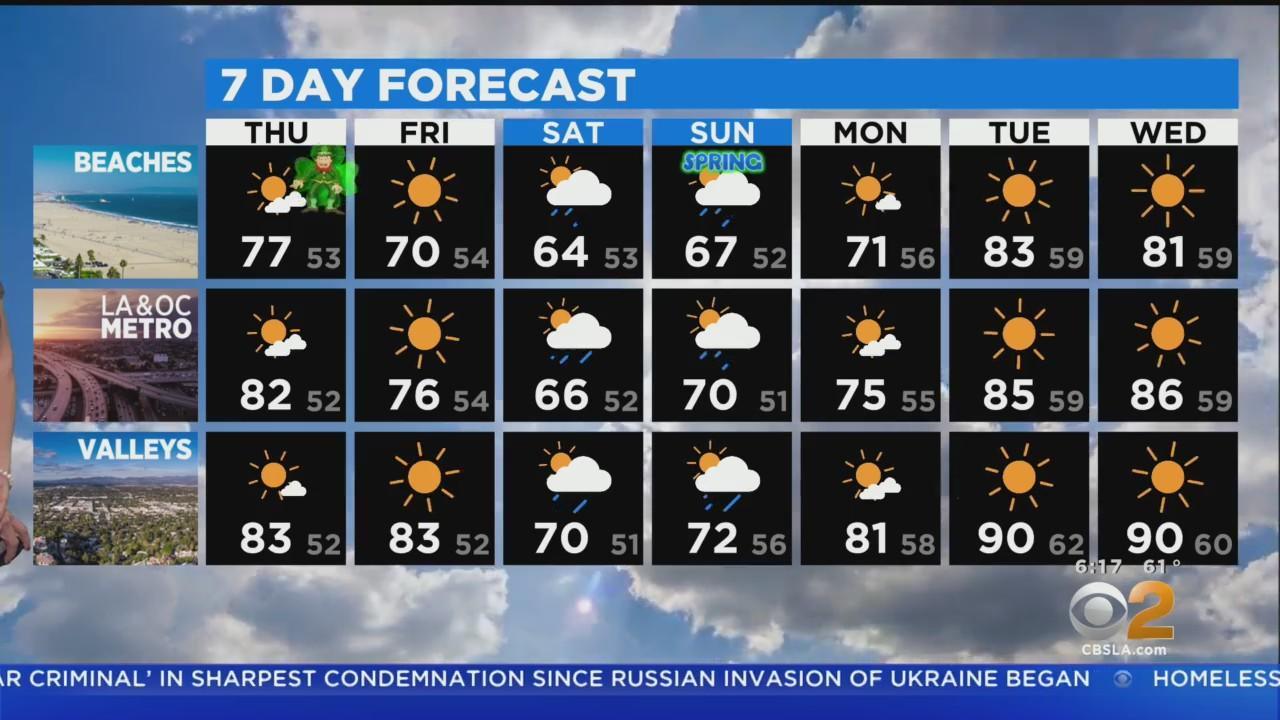
One of the most fascinating aspects of Los Angeles weather is its sheer variety. Because the region is shaped by a complex interplay between the Pacific Ocean, mountain ranges, and coastal basins, the weather you experience in one neighborhood can be drastically different from what is happening just ten miles away.
The Coastal Influence
Areas located near the shoreline, such as Santa Monica and Venice Beach, enjoy the most temperate conditions. The Pacific Ocean acts as a thermal regulator, keeping summer temperatures lower and winter temperatures higher than in the inland valleys. If you find yourself lounging at the Santa Monica Pier today, expect a refreshing sea breeze that keeps the humidity low and the air crisp. However, these areas are also prone to the famous “June Gloom,” a marine layer of low-lying clouds that can keep the coast shaded until the afternoon.
The Inland Basin and Valleys
Venture inland toward Downtown Los Angeles or the San Fernando Valley, and the maritime influence fades. During the summer months, these areas often experience significantly higher temperatures. While the beach might be a comfortable 75 degrees, parts of the valley could climb well into the 90s. Planning a hike in Griffith Park today? If you are starting early, you will be met with pleasant, dry conditions, but as the sun reaches its zenith, the inland heat will intensify.
Seasonal Trends and Annual Expectations
While “today” is always the most immediate concern, understanding the broader seasonal patterns helps in setting expectations for your visit. Los Angeles experiences a Mediterranean climate, characterized by dry, mild winters and warm, sunny summers.
The Dry Summer Season
From June through September, rainfall is virtually non-existent. This is the peak season for outdoor activities, whether you are visiting the Getty Center or driving along the coast to Malibu. The sky is predominantly clear, and the evenings remain warm enough for outdoor dining. If you are packing for a trip during this time, prioritize light, breathable fabrics and, most importantly, sun protection. The UV index in California can be intense, even on days that feel mild.
The Mild Winter Period
Winter in Los Angeles is perhaps the most deceptive season. While the rest of the country might be buried in snow, the city often enjoys bright, blue skies with temperatures hovering in the high 60s or low 70s. Nights, however, can drop into the 40s. A common mistake for visitors is assuming that because it is sunny during the day, they do not need layers. If you are exploring the Hollywood Walk of Fame in December, a light jacket or sweater is your best friend once the sun dips below the horizon.
Planning Your Activities Based on the Forecast
To make the most of your time in Los Angeles, it is best to align your itinerary with the day’s weather conditions. A simple look at the thermometer isn’t enough; consider the wind, the UV index, and the specific location you intend to visit.
Best Days for Outdoor Exploration
On days with moderate temperatures and low wind, head to the iconic Hollywood Sign. The hike provides stunning panoramic views, but it is entirely exposed to the elements. These are also the best days to explore the sprawling grounds of the Los Angeles County Museum of Art or take a drive through the scenic hills of Beverly Hills.
Handling the Heatwaves
Occasionally, Los Angeles experiences “Santa Ana winds,” which are strong, dry, downslope winds that originate inland and move toward the coast. These events can spike temperatures suddenly and significantly increase wildfire risks. On such days, it is wise to pivot to indoor activities. Fortunately, the city is packed with world-class museums, indoor markets like Grand Central Market, and architectural marvels like the Walt Disney Concert Hall. These venues offer a climate-controlled sanctuary while allowing you to remain immersed in the vibrant culture of the region.
The Rainy Days
Rain is rare in Los Angeles, typically occurring only between December and March. When it does rain, it is often a gentle, soaking affair rather than a violent storm. These days are perfect for diving into the local culinary scene. Whether you are grabbing a coffee in Silver Lake or enjoying a long lunch in West Hollywood, the rain provides a cozy backdrop to the city’s indoor lifestyle. Just remember that traffic patterns in the city can become significantly more congested during wet weather, so build in extra time for travel.

Pro-Tips for Staying Comfortable in the City
Regardless of what the weather is today, your comfort relies on preparation. The sheer scale of Los Angeles means you might spend a significant portion of your day in transit.
- Layering is Key: Because of the microclimates mentioned earlier, the “onion method” of dressing is standard practice. Starting the morning in Pasadena might require a light sweater, but by the time you reach the coast in the afternoon, you will want to be in short sleeves.
- Hydration Awareness: The climate in Southern California is naturally arid. Even if you don’t feel “hot,” you are losing moisture, especially if you are walking between attractions like the The Grove or visiting the Universal Studios Hollywood. Carry a reusable water bottle to keep yourself refreshed throughout the day.
- Check Local Updates: Rather than relying on generic weather apps that report from the Los Angeles International Airport (which is right on the ocean and often cooler), look for neighborhood-specific forecasts. A 10-degree difference is common between the coastal plains and the inland valleys.
- Embrace the Sunshine: Most importantly, don’t let a “cloudy” forecast deter you. Even on overcast days, the light in Los Angeles is unique—photographers have flocked here for a century specifically for the quality of the golden hour. Whether you are strolling through Echo Park Lake or browsing shops on Rodeo Drive, the city’s energy remains consistent regardless of the temperature.
By understanding the rhythms of the weather in Los Angeles, you transform from a casual tourist into a savvy traveler. You know when to bring an extra layer, which neighborhoods will offer the best relief from the heat, and how to navigate the city’s vast geography with ease. Today, no matter the specific forecast, the city is waiting to be explored. Take advantage of the mild air, the consistent sunshine, and the boundless opportunities that only Southern California can provide.
LifeOutOfTheBox is a participant in the Amazon Services LLC Associates Program, an affiliate advertising program designed to provide a means for sites to earn advertising fees by advertising and linking to Amazon.com. Amazon, the Amazon logo, AmazonSupply, and the AmazonSupply logo are trademarks of Amazon.com, Inc. or its affiliates. As an Amazon Associate we earn affiliate commissions from qualifying purchases.