
Planning a trip to the West Coast requires more than just booking flights and arranging transportation; it requires a synchronization of schedules. For travelers heading to Los Angeles, understanding the local time is the first step in ensuring a seamless experience. Whether you are coordinating business meetings, attempting to catch a flight at Los Angeles International Airport, or trying to schedule a dinner reservation in Beverly Hills, knowing exactly what time it is in this iconic California city is essential.
The Pacific Standard Time and Daylight Saving Time
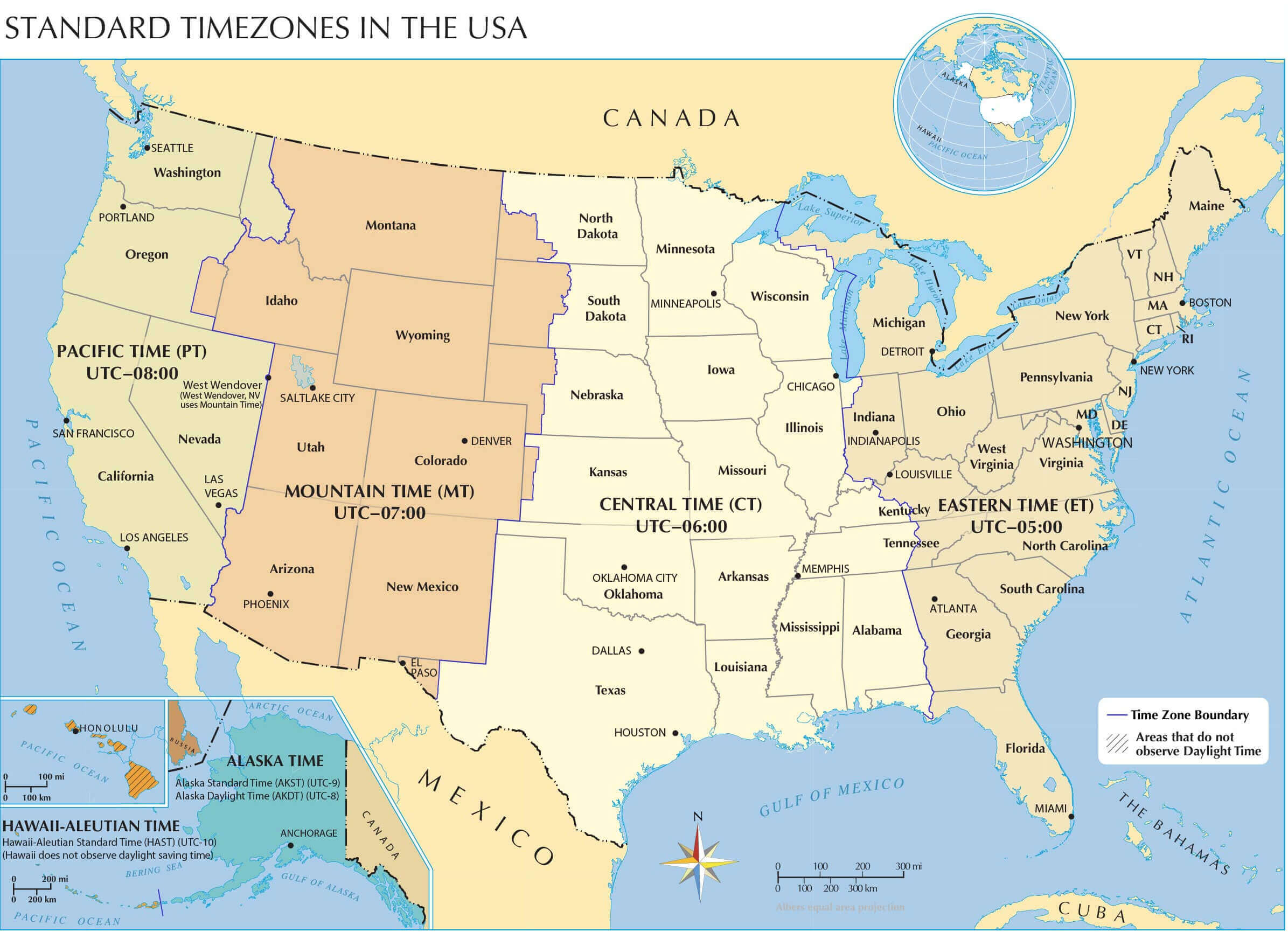
The city of Los Angeles operates on Pacific Time, which serves as the standard time zone for the entire West Coast of the United States. However, the specific designation of the time zone fluctuates depending on the time of year due to the observation of Daylight Saving Time.

Pacific Standard Time (PST)
During the winter months, specifically from early November to mid-March, the region observes Pacific Standard Time. In this state, the clock is set at UTC-8. This is the period when the sun sets earlier, providing that classic, crisp atmosphere often associated with winter travel in Southern California. If you are traveling from the East Coast, which operates on Eastern Standard Time, you will find that Los Angeles is three hours behind.
Pacific Daylight Time (PDT)
From mid-March through early November, the region shifts to Pacific Daylight Time. During this transition, clocks are turned forward one hour, moving to UTC-7. This change allows for longer, sun-drenched evenings, which are perfect for exploring outdoor attractions like Griffith Observatory or taking a sunset stroll along the Santa Monica Pier.
It is vital for travelers to double-check their devices and travel itineraries during the “spring forward” and “fall back” dates. Missing the shift can often lead to confusion when attempting to catch public transit or arriving for a tour at Universal Studios Hollywood.
Coordinating Travel Across Time Zones
For international travelers and those flying from across the continent, the jump across time zones can sometimes lead to jet lag, but the greater challenge often lies in the coordination of arrival times and tour bookings. When visiting a sprawling metropolis like Los Angeles, being aware of the time difference is not just about the clock; it is about managing your energy.

Minimizing Jet Lag
When flying into Los Angeles International Airport, the time difference can be significant if you are coming from Europe or Asia. Experts suggest that for every hour of time zone difference, travelers should allow at least one day to adjust. Since California is on the western edge of the United States, the adjustment period can be particularly lengthy for travelers arriving from the opposite side of the globe.
Planning Your Itinerary
If you are planning to visit landmarks like the Hollywood Sign or spend a day at Disneyland Resort in Anaheim, keep the time zone in mind when booking online. Most reservation systems automatically adjust to the local time of the attraction, but human error during manual entry is common. Always cross-reference your hotel check-in time, usually situated in districts like Downtown Los Angeles or West Hollywood, with your arrival time to avoid unnecessary waiting.
Business and Logistics in the City of Angels
Los Angeles is a global hub for entertainment, technology, and trade. For business travelers, the time zone of Pacific Time plays a massive role in how the city conducts its operations.
Working with the Rest of the World
Because Los Angeles is three hours behind New York City and eight hours behind London, the business day requires careful synchronization. Morning meetings in California are often held while the rest of the country is already into their afternoon work session. If you are scheduling a conference call or an important client meeting, ensure you specify the time zone clearly to avoid confusion. Using “PT” or “PDT” when sending invitations is standard professional etiquette in Southern California.
The Impact on Tourist Attractions
The time zone also dictates the operating hours of major attractions. For instance, museums like the Getty Center or the Los Angeles County Museum of Art often operate on a schedule that follows local Pacific Time. Traffic patterns in the city—infamous for its congestion—are also highly time-dependent. Knowing the local time is crucial for predicting when the “rush hour” will peak. Typically, traffic is heaviest from 7:00 AM to 10:00 AM and 4:00 PM to 7:00 PM local time. If you are trying to travel from your accommodation near Venice Beach to a dinner reservation in Hollywood, checking the local clock and the traffic status simultaneously is the mark of a seasoned California traveler.
Practical Tips for Time Zone Management
To ensure your trip to Los Angeles is as stress-free as possible, keep these tips in mind regarding the Pacific Time zone:
- Digital Synchronization: Ensure your smartphone or smartwatch is set to “Automatic Time Zone.” This setting relies on GPS or cellular towers to update your clock accurately as you cross boundaries.
- Double-Check Bookings: When purchasing tickets for attractions like Warner Bros. Studio Tour Hollywood, check the confirmation email to ensure the time listed is in Pacific Time.
- The Morning Advantage: Because Los Angeles is often behind the rest of the country, morning hours are an excellent time to get work done before the emails from the East Coast arrive in high volume.
- Cultural Pace: Southern California generally operates at a slightly more relaxed pace than the Northeast. Do not be surprised if “island time” begins to settle in, even in a fast-paced urban environment.
- Connectivity: If you are traveling through Los Angeles International Airport, use the free Wi-Fi to confirm your current local time before heading out to your rental car or rideshare service.
Ultimately, while the time zone itself is a straightforward technical fact, mastering it is part of the rhythm of visiting Los Angeles. By respecting the clock, you ensure that you have maximum time to enjoy the coastline, the culture, and the unique energy that only this city can provide. From the early mornings by the Pacific Ocean to the late nights on Sunset Boulevard, every moment in Pacific Time counts.
LifeOutOfTheBox is a participant in the Amazon Services LLC Associates Program, an affiliate advertising program designed to provide a means for sites to earn advertising fees by advertising and linking to Amazon.com. Amazon, the Amazon logo, AmazonSupply, and the AmazonSupply logo are trademarks of Amazon.com, Inc. or its affiliates. As an Amazon Associate we earn affiliate commissions from qualifying purchases.