
For those who have recently invested in real estate across the sprawling expanse of Los Angeles, understanding the financial obligations tied to property ownership is essential for long-term planning. Navigating the tax cycle in a major metropolitan hub like Los Angeles County requires precision, as missing deadlines can result in significant financial penalties. Whether you own a luxury villa in Beverly Hills, a historic bungalow in Pasadena, or a modern apartment near Santa Monica, the rules governing your property taxes remain consistent under the oversight of the county assessor and treasurer.

The Standard Property Tax Calendar
The California property tax system operates on a fiscal year that runs from July 1 to June 30. Unlike many other annual expenses, property taxes in this region are billed and collected in two distinct installments. Being aware of these dates is the first step toward maintaining financial health as a property owner.
The First Installment
The first installment of your property taxes covers the first half of the fiscal year, spanning July 1 through December 31. These taxes are billed in the fall and are considered delinquent if not paid by a specific deadline.
- Due Date: The first installment is due on November 1.
- Delinquency Date: If you do not make your payment by 5:00 p.m. on December 10, the payment becomes delinquent, and a 10% penalty is applied.
The Second Installment
The second installment covers the remainder of the fiscal year, from January 1 through June 30. The timeline for this payment is equally critical for those living in or managing property in regions like Malibu or Long Beach.
- Due Date: The second installment is due on February 1.
- Delinquency Date: If the payment is not received or postmarked by 5:00 p.m. on April 10, an additional 10% penalty will be charged, alongside administrative costs for the delinquent notice.
Managing Payments and Avoiding Penalties
Technology has streamlined the payment process, yet many property owners still rely on traditional mailing methods. Whether you are situated near the Hollywood Sign or closer to the industrial corridors, the Los Angeles County Treasurer and Tax Collector office emphasizes the importance of timely submission.
Digital vs. Traditional Payment Methods
In the digital age, the most reliable way to ensure your payment is recorded on time is through the online portal provided by the county. Electronic checks and credit card payments allow for instant confirmation. However, for those who prefer physical checks, it is vital to keep in mind that the postmark date serves as the official date of payment. If the delinquency date falls on a weekend or a holiday, the deadline is typically extended to the next business day, though it is always prudent to pay early to avoid postal delays.

Understanding Supplemental Taxes
New homeowners who have recently purchased property in iconic neighborhoods like Bel Air or Hollywood Hills may receive supplemental tax bills. These are issued when there is a change in ownership or completion of new construction. Unlike the standard property tax bill, which follows a rigid biannual schedule, supplemental tax bills are issued throughout the year and are based on the difference between the prior assessed value and the new assessed value. Failing to account for these supplemental bills is a common pitfall for new residents.
Financial Planning for Real Estate Owners
Owning property in a globally recognized cultural and economic center involves more than just the mortgage payment. Effective financial planning requires an appreciation for how local tax levies impact your bottom line.
Factoring Taxes into Your Annual Budget
When living in or investing in Southern California, it is recommended to set aside monthly funds specifically for property taxes. By dividing your estimated annual tax bill by twelve, you can create a sinking fund that prevents the stress of large biannual payments. This is especially true for those who own vacation rentals or investment properties, where cash flow management is essential for maintaining a profitable venture.
Tax Exemptions and Relief Programs
Many property owners are unaware of programs that may reduce their annual tax burden. For instance, the Homeowners’ Exemption provides a reduction in the assessed value of a primary residence. Additionally, there are specific relief programs for seniors, veterans, and individuals with disabilities. Consulting with a professional or reviewing the official resources provided by the county can help you identify if you qualify for these tax-saving measures.
Navigating Property Assessment Issues
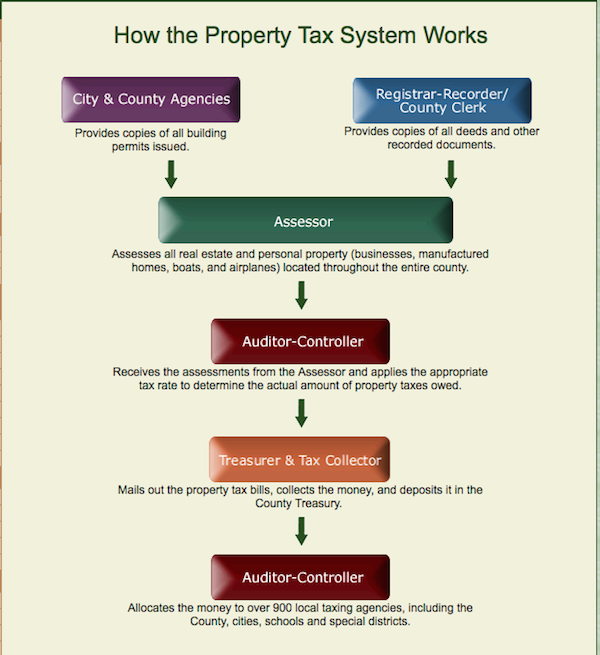
The amount of tax you owe is derived from the assessed value of your property, which is determined by the county. Occasionally, homeowners may feel that their property has been overvalued, particularly in a volatile real estate market.
Appealing an Assessment
If you believe your property assessment is higher than the actual market value as of the lien date (January 1), you have the right to file an application for a reduction. This process involves working with the Assessment Appeals Board. It is a formal procedure that requires evidence of comparable sales in your area, such as those found in Venice Beach or Silver Lake.
The Role of Proposition 13
It is important for every Californian property owner to understand the impact of Proposition 13. This legislation limits the increase of the assessed value of property to no more than 2% per year, unless there is a change in ownership or new construction. Because of this, two similar houses on the same street in Culver City could have significantly different tax bills depending on when they were last purchased. Understanding this mechanism helps homeowners anticipate their tax trajectories over the long term.
Final Considerations for Property Owners
As you enjoy the lifestyle offered by the West Coast, staying organized regarding your tax obligations protects your equity and provides peace of mind. Whether you are a long-term resident or a newcomer attracted to the allure of Downtown Los Angeles, the tax cycle is a foundational element of your financial life in the county.
Maintain clear records, stay informed about any changes to local tax law, and utilize the county’s digital tools to ensure that your payments are processed correctly. By treating these biannual deadlines with the same importance as your mortgage or insurance premiums, you ensure that your stake in this vibrant region remains secure. Whether your property is near the Griffith Observatory or nestled in the quieter suburbs, proactive management is the key to a stress-free experience as a property owner.
LifeOutOfTheBox is a participant in the Amazon Services LLC Associates Program, an affiliate advertising program designed to provide a means for sites to earn advertising fees by advertising and linking to Amazon.com. Amazon, the Amazon logo, AmazonSupply, and the AmazonSupply logo are trademarks of Amazon.com, Inc. or its affiliates. As an Amazon Associate we earn affiliate commissions from qualifying purchases.