
For millions of baseball enthusiasts, the rhythm of a season is dictated by the pulse of the Los Angeles Dodgers. As one of the most storied franchises in Major League Baseball, the team serves as a cultural anchor for the city of Los Angeles. Whether you are a die-hard fan or a visitor looking to immerse yourself in the vibrant sports culture of California, knowing when the team takes the field is essential for planning your trip to the ballpark.
The Cultural Significance of Dodger Stadium
Attending a game at Dodger Stadium is more than just watching a sporting event; it is a quintessential experience in the tapestry of American culture. Nestled in the hills of Chavez Ravine, this iconic venue offers a breathtaking view of the downtown skyline that few other sports facilities can match.
A Legacy of Excellence
Since moving to the West Coast from Brooklyn in 1958, the team has cultivated a legacy that transcends the game itself. From the heroics of legendary figures like Sandy Koufax to the modern-day brilliance of stars like Shohei Ohtani, the team represents a commitment to excellence. Fans from across the United States and the world flock to this hallowed ground to witness history being written pitch by pitch.
The Fan Experience
Beyond the statistics, the atmosphere at a home game is electric. The scent of a “Dodger Dog” wafting through the concourse, the iconic organ music echoing through the tiered seating, and the collective roar of over 50,000 fans create a sensory experience that defines Southern California summer nights. Engaging with this local culture allows tourists to feel the true heartbeat of the metropolis.
Planning Your Visit to the Ballpark
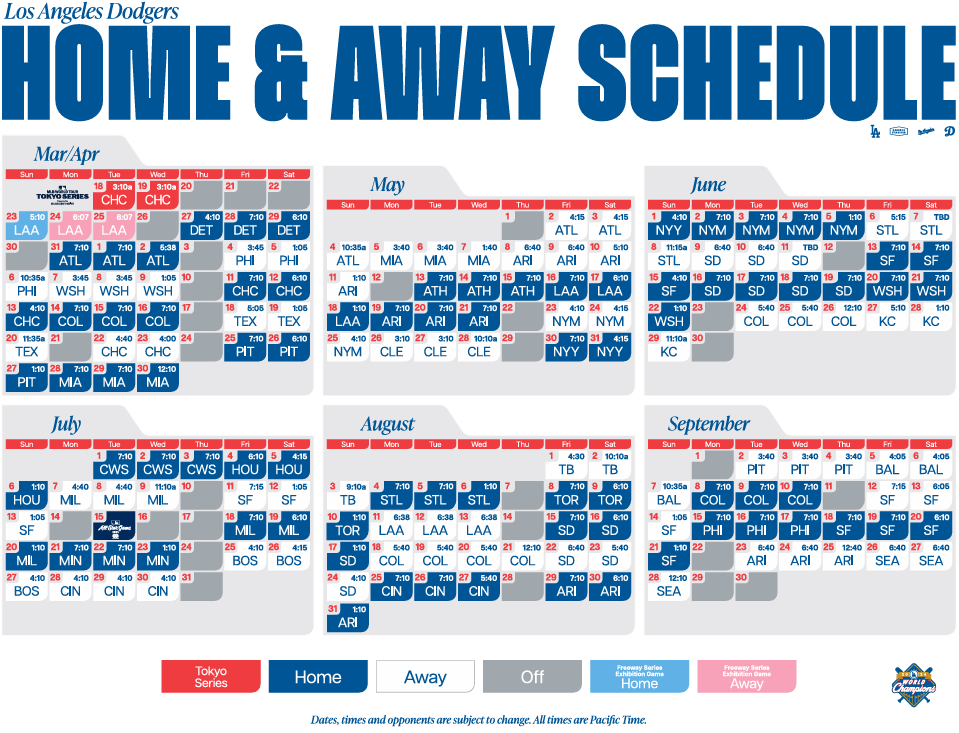
Navigating the schedule is the first step in orchestrating a perfect outing. The baseball season is a grueling 162-game marathon that stretches from early spring to late autumn, providing ample opportunities for travelers to catch a game.
Checking the Official Schedule
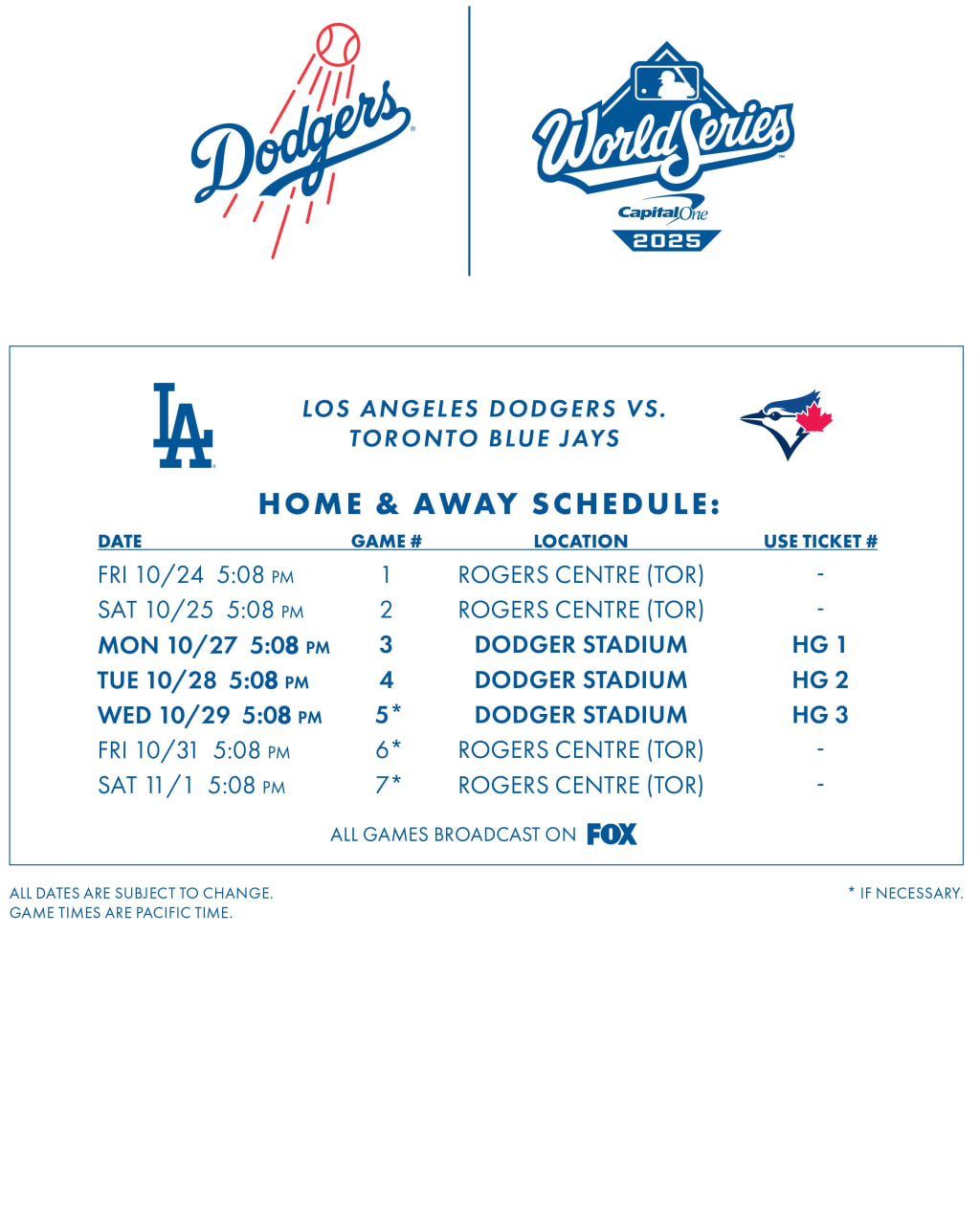
To determine when the Dodgers play next, it is recommended to utilize the official team website or mobile applications. These platforms provide real-time updates on game times, opposing teams, and promotional events. If you are visiting from abroad, ensure you account for the time zone differences, as home games in Pacific Daylight Time can vary in start time depending on whether they are afternoon matinees or evening contests.
Strategic Travel Tips
If you are planning your vacation around a specific homestand, consider the following:
- Book Accommodations Early: Hotels in Downtown Los Angeles and Echo Park fill up rapidly during high-profile series against rivals like the San Francisco Giants.
- Transportation: Traffic in Los Angeles County is legendary. Utilizing the Dodger Stadium Express bus service—which is often free with a valid ticket—can save you the headache of navigating the parking lots.
- Weather Considerations: While Southern California is famous for its Mediterranean climate, evening games can turn chilly as the sun drops behind the San Gabriel Mountains. A light jacket is a standard piece of gear for the savvy spectator.
Exploring Beyond the Game
A trip to catch a game should be paired with the broader allure of the surrounding area. Los Angeles is a vast landscape of neighborhoods, each offering unique dining and leisure opportunities that complement a day at the stadium.
Culinary Adventures in the Neighborhoods
Before or after you head to the stadium, indulge in the diverse food scene of East Los Angeles. The proximity to authentic Mexican cuisine is a major draw. Many fans make it a tradition to stop at a local taco truck or a historic restaurant in Boyle Heights to fuel up before the first pitch.
Nearby Attractions
If you are spending a few days in the area, consider visiting landmarks that provide a deeper context to the city’s history:
- Griffith Observatory: Located just a short drive from the stadium, this landmark offers the best vantage point of the Hollywood Sign.
- The Getty Center: For those seeking a dose of art and architecture, this museum provides a tranquil escape from the urban energy.
- Santa Monica Pier: If you have time to venture toward the coast, the ocean breeze and amusement park atmosphere provide a perfect contrast to the intense excitement of a baseball game.
The Seasonal Nature of Baseball Tourism
Baseball travel is inherently seasonal. Understanding the phases of the season can help you decide when to book your trip to California.
Spring Training and Early Season
If you visit during the Spring, you might catch the team during the early stages of their quest for the World Series. The weather is mild, the crowds are manageable, and the optimism of a fresh start hangs in the air.
The Heat of Summer and Postseason
Summer months bring the highest temperatures and the most crowded stadiums. It is the peak tourist season in Los Angeles, making it an ideal time to combine a game with trips to local beaches. If you are lucky enough to visit during the October postseason, you will witness the city at its absolute pinnacle of excitement, as the intensity of the games reaches a fever pitch.

Staying Connected
Regardless of when you decide to travel, staying updated is key. Always verify the schedule closer to your departure date. Major League Baseball sometimes makes adjustments for television broadcasts or weather-related delays, and you do not want to be caught off guard when you have already committed to your travel itinerary. By immersing yourself in the schedule and the surrounding culture, you turn a simple trip to watch a game into an unforgettable journey through one of the most vibrant cities in the United States. Whether it is your first time stepping into the grandstands or your fiftieth, the anticipation of the next pitch is a timeless thrill that continues to unite fans across generations.
LifeOutOfTheBox is a participant in the Amazon Services LLC Associates Program, an affiliate advertising program designed to provide a means for sites to earn advertising fees by advertising and linking to Amazon.com. Amazon, the Amazon logo, AmazonSupply, and the AmazonSupply logo are trademarks of Amazon.com, Inc. or its affiliates. As an Amazon Associate we earn affiliate commissions from qualifying purchases.